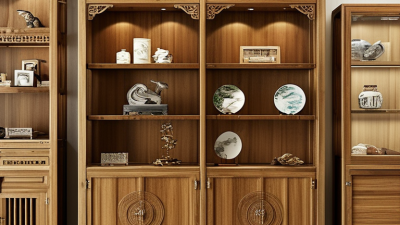
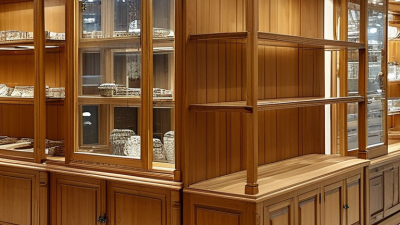
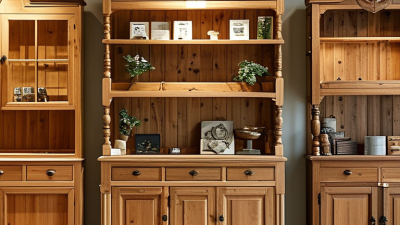
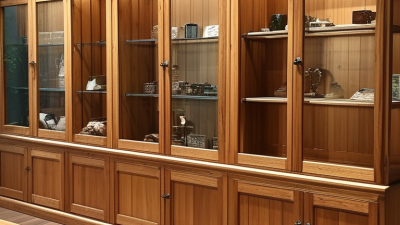
10 Tips for Choosing Wooden Display Cabinets
Choosing Wooden Display Cabinets is not merely a matter of matching color and style. A cabinet must protect valuable objects, fit the room, and remain practical for daily use. Experienced furniture buyers inspect more than a polished surface. They check wood movement, joinery, hinge strength, glass clarity, shelf support, and finishing quality. Small details matter. A door that closes unevenly today may become troublesome after repeated use.
Room conditions also influence the decision. Direct sunlight can fade timber and displayed items. High humidity may affect solid wood, veneers, and cabinet doors. Measure the available wall carefully, including skirting boards, sockets, and walking space. A beautiful cabinet can still feel wrong when its doors block a passage. That mistake is easy to make.
This guide explores ten useful tips for choosing Wooden Display Cabinets with greater confidence. It considers construction, proportions, storage needs, safety, maintenance, and visual balance. Reputable manufacturers should explain the timber source, surface treatment, hardware, and care instructions clearly. Independent furniture specialists can also help when the cabinet will hold heavier ceramics, books, or collectibles. Their advice is valuable, but it should not replace your own measurements and observations.
Look closely. Touch the edges. Open every door.
Not every attractive cabinet is well made, and not every imperfection signals poor quality. Natural grain variation may add character, while loose joints or sharp finishing marks deserve attention. The right choice combines reliable craftsmanship with honest practicality. It should look appealing today and remain useful years later.
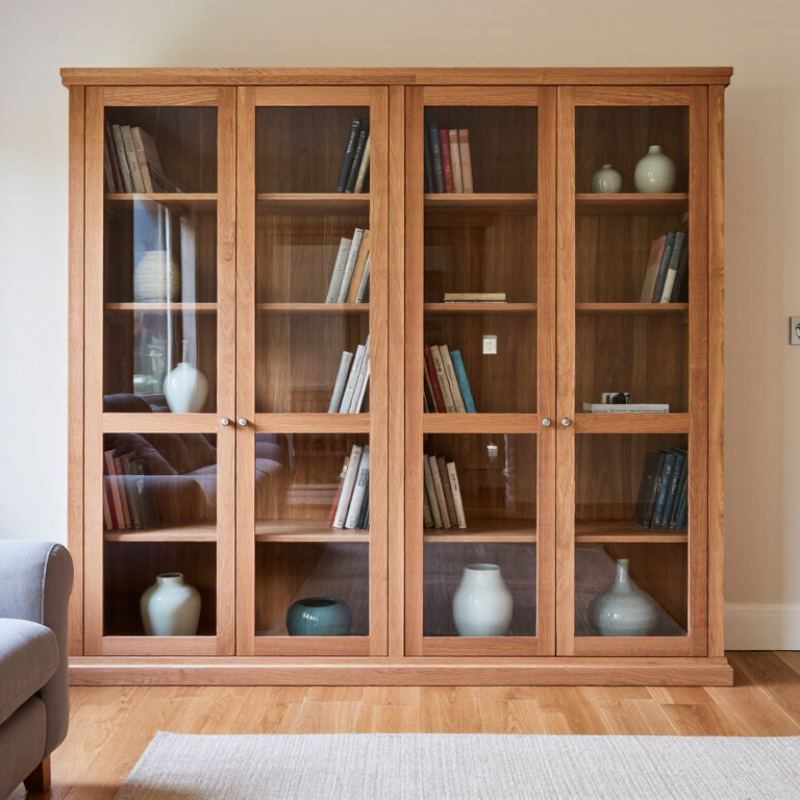
Define the Cabinet’s Purpose and Display Requirements
Before choosing a wooden display cabinet, define what it must protect and present. A dining room cabinet may hold ceramics, while a retail unit may need frequent access and clear product visibility. The 2024 Houzz U.S. Kitchen Trends Study reports that 76% of renovated kitchens include specialty storage. That figure shows how storage needs are becoming more specific, not merely larger. Measure each object, including handles, bases, and future additions. Leave practical clearance.
Display conditions matter. For sensitive collections, the National Park Service Museum Handbook recommends stable relative humidity, commonly around 30–50% for many materials. Wood reacts to moisture changes. Warping may appear slowly. Specify sealed joints, adjustable shelves, and controlled lighting where necessary. Glass doors reduce dust, but they do not replace environmental control. Bright lighting can also fade textiles and paper.
Consider viewing height, cleaning access, and security without making the cabinet feel heavy. The Illuminating Engineering Society recommends careful control of light exposure for valuable objects, especially when display periods are long. LED lighting usually produces less heat, yet poor placement can still create hot spots. A cabinet can look elegant and work badly. I would test one shelf with real objects before ordering. That small trial may reveal awkward reflections, weak hinges, or a shelf that is simply too shallow.
Choose the Right Wood, Finish, and Construction Quality
10 Tips for Choosing Wooden Display Cabinets
Tip 1: Choose wood that matches the cabinet’s job. Solid hardwood offers strength, while quality plywood can provide stability with less weight. In humid rooms, avoid wood that feels damp or poorly sealed. I once selected a cabinet by appearance alone. The panels later shifted slightly.
Tip 2: Inspect the finish under natural light. A good finish should look even, without cloudy patches, rough edges, or strong chemical odors. Satin finishes hide fingerprints better than high-gloss surfaces. For books, ceramics, or collectibles, choose a finish that is easy to clean and resists minor scratches.
Tip 3: Examine the construction closely. Open and close every door slowly. Hinges should move smoothly, and gaps should remain consistent at the corners. Check whether shelves sit firmly on adjustable supports. A heavy glass door needs secure framing, not thin decorative trim. Look underneath, too.
Tip 4: Test the cabinet’s balance. Gently press one corner. Excessive movement may indicate weak joints or an uneven base. Dovetail joints, reinforced corners, and solid back panels usually suggest careful workmanship. Screws alone are not always enough.
Tip 5: Consider repairability. Replaceable hinges, accessible shelf hardware, and a touch-up finish can extend useful life. Ask how the wood was dried and sealed. Clear answers build confidence. Vague answers deserve another question. A perfect surface is not always proof of quality.
Measure the Available Space and Cabinet Dimensions
Choosing a wooden display cabinet begins with accurate measurements, not attractive photographs.
Measure the wall width, ceiling height, and available depth with a reliable tape measure. Record each measurement in millimetres to reduce mistakes.
Measure twice.
My first estimate once ignored a skirting board, leaving the cabinet slightly forward from the wall. Check floor level, door swing, window trims, radiators, and nearby sockets. Include the cabinet’s feet, crown molding, handles, and open doors in your calculations. A cabinet may fit when closed but block a walkway when opened.
Leave practical clearance around the unit.
A few centimetres behind the cabinet can help with uneven walls and ventilation. Keep enough space above it for lifting and installation. For narrow hallways, measure the entrance, corners, stairways, and elevator before ordering. These routes matter as much as the final position.
Consider the internal dimensions, too.
Tall ornaments need shelf clearance, while heavier objects require strong, well-supported shelves. Adjustable shelves offer flexibility, but their pin positions can reduce usable height. I prefer drawing the cabinet footprint on the floor with masking tape. It reveals problems quickly, although it does not show visual height perfectly. If measurements conflict, trust the smallest verified dimension and recheck it on another day. Temperature and lighting can affect how confidently you judge a tight space.
Compare Style, Durability, Price, and Maintenance Needs
Tip 1: Match the cabinet’s style with the room’s existing lines. A simple oak cabinet suits warm interiors, while painted wood feels lighter and cleaner. Tip 2: Check the proportions carefully. Measure the wall, doorway, and display objects before buying. I once underestimated a cabinet’s depth, and it crowded a narrow hallway.
Tip 3: Inspect the wood joints, back panel, and hinges. Solid joinery usually survives frequent use better than thin decorative panels. Tip 4: Ask about the finish. A sealed surface handles dust and small spills more reliably. Tip 5: Test the doors in person, if possible. They should close evenly without rubbing. Tip 6: Consider glass thickness and shelf supports. Heavy ceramics need stronger support than small ornaments.
Tip 7: Compare the full price, not only the listed price. Delivery, assembly, wall anchoring, and replacement shelves may add cost. Tip 8: Set a realistic budget, but avoid choosing the cheapest construction automatically. Low prices can hide weak hardware or fragile veneer. Tip 9: Estimate maintenance needs. Wood may require gentle cleaning, occasional polishing, and protection from direct sunlight. Tip 10: Think about future changes. Adjustable shelves are useful when collections grow or objects become larger. Mine would have helped; fixed shelves limited my display options later. Keep a soft cloth nearby. Avoid soaking the wood.


 +8618702197143