7 Tips for Buying Swivel Chairs in Bulk
Buying Swivel Chairs in bulk is not just a price comparison. It is a decision about comfort, durability, fit, and the daily rhythm of a real workspace. A chair that feels fine for five minutes may disappoint after a full shift. Small details matter: a smooth swivel, stable base, supportive back, and upholstery that suits the room.
Designer Charles Eames once said, “The details are not the details. They make the design.” That idea applies to bulk seating, too. Before requesting quotes, measure doorways and desk clearances, then check seat height, weight capacity, warranty terms, and replacement-part availability. Ask for a sample or showroom trial when possible. One chair can reveal issues that a product photo cannot.
The lowest unit price may not be the lowest long-term cost. Still, premium features are not automatically worth paying for. Match the chair to its users and setting, whether that means a reception area, training room, or shared office. Then compare like with like: materials, adjustments, delivery, assembly, and service. This guide offers seven practical tips for making that comparison with fewer surprises. Some details are easy to miss. That is exactly why they deserve a closer look.

Understanding Swivel Chairs and Bulk Purchasing
7 Tips for Buying Swivel Chairs in Bulk
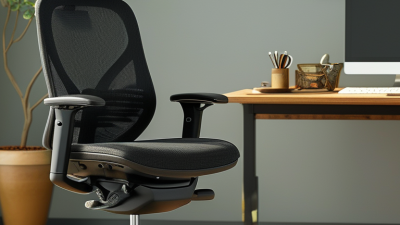
Understanding swivel chairs starts with how they move and where they will be used. A chair’s swivel mechanism should turn smoothly without wobbling, while its base needs to suit the floor and expected daily use. In a busy training room, for example, chairs may be moved and rotated dozens of times each day. Bulk purchasing can help keep seating consistent, but a low unit price is not the whole calculation. Check dimensions, weight capacity, materials, warranty terms, and replacement-part availability before comparing quotes. Small details matter.
Tip: Request a sample chair and test it on the actual flooring. Check seat height at the desk, turning clearance, and whether the casters leave marks.
Tip: Confirm carton dimensions and delivery access; a stack of boxes can be awkward in a narrow hallway. Ask whether the order will arrive in one shipment or several. That affects storage and installation planning.
Tip: Compare the total cost, including freight, assembly, and likely maintenance. Ask for written specifications so every chair in the order matches.
One overlooked issue: finishes can look slightly different under office lighting. A trial order may help, though it can complicate scheduling. Keep a few spare parts on hand when possible, and record the model details for future matching. Bulk savings are useful, but only when the chairs fit the room and the people using them.
Identifying Your Needs and Choosing the Right Chair Type
Before ordering swivel chairs in bulk, map the actual work: who will sit, for how long, and what tasks they perform.
A reception chair used for brief visits needs different support from a task chair used through long computer sessions. Measure desk heights, aisle widths, and available floor space; a chair that turns smoothly can still obstruct a narrow walkway. Ask a few intended users to test sample models. Their feedback may reveal small but costly issues, such as armrests hitting desk edges.
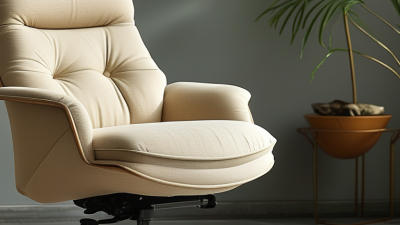
Match chair type to use, not appearance alone. Adjustable task chairs suit varied users, while guest chairs prioritize easy access and quick turnover. For shared workstations, prioritize seat-height adjustment, back support, and stable casters suited to the floor. ANSI/BIFMA X5.1, an industry standard for general-purpose office chairs, includes performance and safety tests; check whether a model has been tested to the applicable edition. The standard is a useful screening tool, not proof that a chair fits every body or task. Gensler Research Institute’s 2024 Global Workplace Survey highlights varied employee needs and preferences, reinforcing the value of gathering input before specifying one chair type for everyone. Bulk buying rewards careful trials. It can also magnify a poor choice.
Evaluating Materials, Features, and Ergonomic Design
When buying swivel chairs in bulk, compare materials under real working conditions, not just showroom lighting. A mesh back allows airflow during long shifts, while molded foam can feel supportive at first but may flatten with daily use. Ask suppliers for foam-density details, fabric abrasion results, and warranty terms. BIFMA’s ANSI/BIFMA X5.1 standard tests general-purpose office chairs for strength and durability; request evidence that models meet its applicable requirements. A chair that passes testing still needs to suit your users.
Ergonomic features matter most when they adjust easily. Check seat-height range, lumbar support, armrest movement, and whether the tilt mechanism can be reached while seated. Have staff test sample chairs at their actual desks. Small details count: feet should rest flat, and the seat edge should not press behind the knees. No spec sheet tells the whole story. The U.S. Bureau of Labor Statistics reported that musculoskeletal disorders represented about 27% of private-industry cases involving days away from work in 2023. That figure does not prove a chair prevents injury, but it supports taking fit seriously. Record feedback across different body sizes before ordering hundreds; this step can feel slow, and it may still miss someone’s needs.
Planning Delivery, Assembly, and Quality Inspection
For a bulk swivel-chair order, delivery planning starts before the truck arrives. Confirm the number of chairs, carton dimensions, unloading access, and whether the building has a freight elevator. Measure doorways and tight turns, not just the main entrance. A pallet may fit the loading dock but fail at the office corridor. It happens.
Set a delivery window when someone can check cartons and record visible damage. Keep chairs grouped by room or department, with labels that match the floor plan. Ask the supplier how many people are needed for unloading and whether assembly is included. If staff will assemble the chairs, allow extra time and provide clear instructions, basic tools, and a clean work area. A rushed setup can leave loose fasteners or uneven seats.
Inspect a sample chair before assembling the full order. Check the swivel motion, height adjustment, base stability, upholstery seams, and finish under bright light. Then inspect several chairs from different cartons; one sample cannot reveal every packing or production issue. Photograph defects and note carton numbers before discarding packaging. This record makes follow-up clearer. Small scratches may be easy to miss in a dim room, so inspection should happen before chairs are distributed. Even a careful plan can overlook something, especially when deliveries arrive in separate batches. Keep a few spare hours in the schedule.
Use this checklist to coordinate a bulk swivel-chair purchase. Confirm order details before dispatch, plan delivery access and assembly, then inspect a sample and verify the full shipment. Bar values count the checkpoints listed for each phase; they are not industry benchmarks.


 +8618702197143