+8618702197143
Choosing the best Oak Entertainment Unit in 2026 is not only about finding attractive timber. It is about matching storage, screen size, room scale, and daily habits. A wide oak cabinet may look impressive in a showroom, yet feel bulky beside a compact sofa. A slimmer design can appear elegant, but lack space for consoles, speakers, and streaming equipment. Small details matter. Cable routing, soft-close doors, ventilation, and adjustable shelving can change the entire experience.
Interior designer Nate Berkus captures the emotional side of furniture design: “Your home should rise up to greet you.” That idea applies strongly to an Oak Entertainment Unit. The right piece should welcome the room, not dominate it. Solid oak offers visible grain, strength, and a warmer character that engineered boards often struggle to imitate. However, solid timber can move slightly with humidity. That is not a defect, but it requires sensible construction and realistic expectations.
This guide compares the leading options for 2026, considering craftsmanship, finish quality, usability, durability, and value. We will examine contemporary slatted fronts, traditional framed doors, open shelving, and hybrid storage systems. Some recommendations may seem subjective. They are. A minimalist unit may suit a quiet living room, while a family space needs tougher surfaces and hidden clutter control. No design wins everywhere. The best Oak Entertainment Unit is the one that remains useful after the excitement of delivery fades.
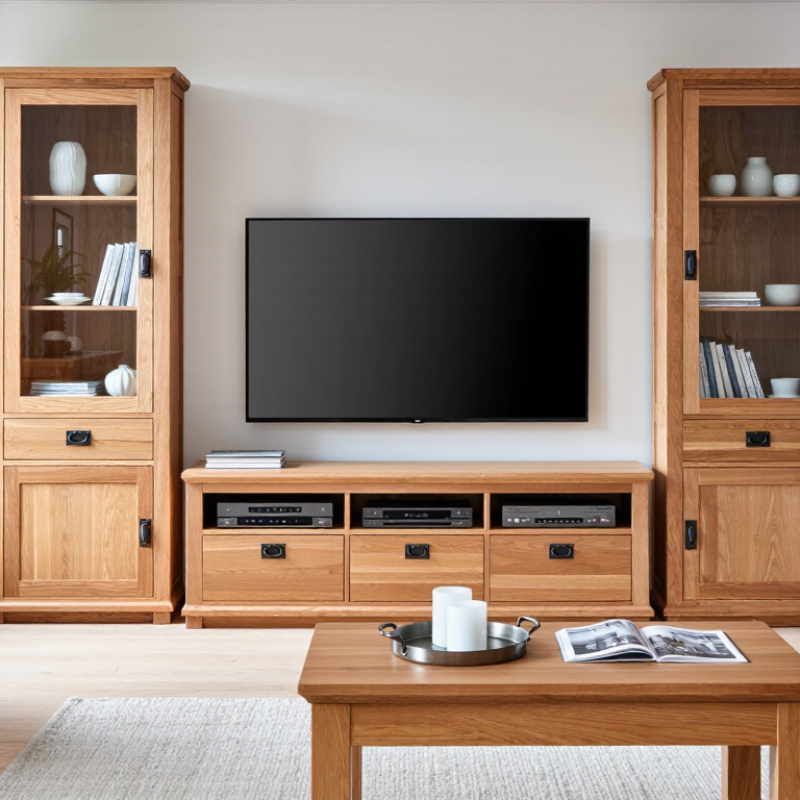
The best oak entertainment unit in 2026 is not simply the largest or darkest cabinet. It is a balanced storage system that supports modern viewing, gaming, and connected devices. Grand View Research valued the global home furniture market at approximately $652.4 billion in 2023, with growth expected through 2030. That expansion reflects stronger demand for adaptable furniture, not decoration alone.
Function defines quality. A strong oak unit should include adjustable shelving, rear cable channels, ventilation gaps, and a stable surface for large screens. Solid oak offers visual warmth and useful impact resistance, while oak veneer can reduce weight and material use. Look closely at the joints. Dovetail drawers, reinforced corners, and smooth door alignment reveal better construction. Small details matter.
They often get ignored.
Material sourcing also deserves scrutiny. The Forest Stewardship Council’s chain-of-custody system helps verify responsible wood movement through supply chains, although certification alone does not prove excellent craftsmanship. The 2024 International Furniture Sustainability Standard discussions also show growing industry pressure for repairability and longer product life. I would not call one design universally best. A shallow unit may suit a compact room, but it could restrict future equipment. A deep cabinet may hide cables better, yet create unnecessary visual weight. Measure the wall, screen width, ventilation space, and device depth before buying. The best oak entertainment unit for 2026 is the one that remains useful after technology changes.
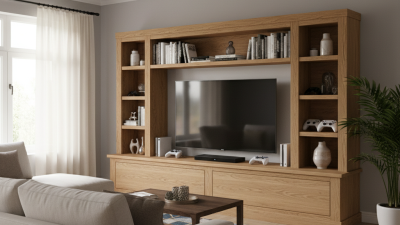
What Is the Best Oak Entertainment Unit in 2026?
The best oak entertainment unit should balance strength, ventilation, storage, and accurate sizing. Begin with the oak itself. Solid oak offers visible grain and long-term repair potential, while quality oak veneer can provide stability and lower weight. Neither option guarantees excellent construction. Look for kiln-dried timber, even grain, tight joints, and a finish that feels smooth rather than heavily coated. Ask about moisture control and material testing when product information seems vague. Reliable details matter.
Measure twice. The unit should support your television without crowding its edges. Check the maximum load, shelf depth, and internal clearances for consoles, speakers, or a media receiver. Airflow matters. Open backs, ventilation slots, and spaced compartments help prevent heat buildup around electronic equipment. Cable openings should sit near power points and remain large enough for thicker plugs. I have seen attractive units fail because cables became sharply bent behind a narrow panel.
Stability deserves careful attention, especially in homes with children or uneven floors. Choose a broad base, strong adjustable feet, and a secure wall-fixing option. Soft-close doors reduce noise, but they should not hide weak hinges or misaligned frames. Consider how the oak finish will change under sunlight; warmer tones may deepen over time. Looks can mislead. A small surface flaw may be repairable, while poor assembly rarely is. Check return terms, care instructions, and independent material claims before buying.
| Evaluation Dimension | Recommended 2026 Benchmark | Why It Matters | What to Check Before Buying | Priority |
|---|---|---|---|---|
| Wood Construction | Solid oak for the main structural parts, with oak veneer used only where appropriate for stable panels. | Solid oak provides a durable, repairable structure, while properly applied veneer can reduce movement in wide panels. | Confirm whether the top, side panels, legs, and shelves are solid oak or engineered board with an oak-look finish. | High |
| Wood Moisture Stability | Indoor furniture wood is commonly kiln-dried to approximately 6–8% moisture content, depending on the local climate. | Controlled moisture reduces the risk of excessive shrinking, swelling, splitting, and joint movement indoors. | Look for kiln-dried construction, manufacturer moisture guidance, and a statement that the unit is designed for indoor use. | High |
| Overall Width | The cabinet should be wider than the television base, with additional space on both sides for visual balance and ventilation. | A wider unit improves stability and prevents the screen from appearing oversized for the furniture. | Measure the TV stand or feet, not only the screen diagonal. Allow clearance for cables and side ventilation. | High |
| Shelf Load Capacity | Choose shelves with a clearly stated load rating that exceeds the combined weight of the intended equipment. | Receivers, consoles, amplifiers, and media accessories can create concentrated loads that may cause shelf deflection. | Check the rated capacity, shelf thickness, support spacing, and whether the rating applies evenly across the shelf. | High |
| Adjustable Shelving | Prefer shelves with multiple height positions and secure shelf supports. | Adjustability accommodates equipment with different heights and allows future upgrades without replacing the unit. | Check the adjustment increments, support-pin quality, usable shelf height, and whether shelves can be removed. | High |
| Cable Management | Include rear cable openings or a dedicated cable channel positioned behind each equipment section. | Organized cable routing improves appearance and reduces strain on power, HDMI, network, and speaker cables. | Confirm that openings are large enough for plugs, are located where equipment will sit, and do not block wall outlets. | High |
| Ventilation | Use open-backed or ventilated compartments for heat-producing electronics, with clearance around the equipment. | Receivers, amplifiers, game consoles, and streaming devices generate heat that needs a path to escape. | Check rear airflow, side clearance, open shelf space, and the equipment manufacturer’s ventilation requirements. | High |
| Surface Finish | A durable, even finish that protects the oak while leaving the natural grain visible. | The finish helps reduce staining, moisture penetration, abrasion, and damage from everyday use. | Review care instructions, resistance to household liquids, repairability, sheen level, and whether the color is stain-based or painted. | High |
| Joinery Quality | Prefer mortise-and-tenon, dowel, or other mechanically supported joints reinforced with suitable furniture adhesive. | Strong joinery helps the unit remain rigid under the weight of a television and stored equipment. | Inspect corners, leg connections, shelf supports, and the back panel for gaps, movement, or visible fastener failure. | High |
| Anti-Tip Protection | A wall-anchoring kit or an approved anti-tip restraint should be included or readily compatible. | Anchoring reduces the risk of furniture tip-over, especially in homes with children or pets. | Check the restraint type, fixing points, wall compatibility, installation instructions, and maximum recommended load. | High |
| Door and Drawer Hardware | Use smooth-operating hinges and drawer runners with positive alignment and secure mounting. | Reliable hardware improves daily usability and reduces noise, sagging, and misalignment over time. | Test doors and drawers for even gaps, soft-close action if provided, handle security, and unobstructed cable access. | Medium |
| Floor Protection | Use level-adjustable feet or non-marking protective pads suitable for the floor type. | Proper support prevents rocking and helps protect wood, tile, laminate, and other flooring surfaces. | Check whether the feet can be adjusted, whether pads are replaceable, and whether the base remains stable on uneven floors. | Medium |
| TV Compatibility | The top surface should support the television’s actual weight and base dimensions, with a safety margin. | Screen size alone does not determine compatibility because television weights and stand footprints vary. | Compare the TV weight, stand width, stand depth, and center-of-gravity position with the unit’s specifications. | High |
| Storage Layout | A balanced combination of open shelves, enclosed cabinets, and accessible media compartments. | Open storage supports ventilation and remote use, while enclosed storage conceals accessories and reduces visual clutter. | Measure consoles, soundbars, routers, discs, controllers, and power strips before selecting compartment dimensions. | Medium |
| Soundbar Compatibility | Provide an unobstructed front position for the soundbar, ideally below or directly in front of the screen. | Blocked speaker drivers can reduce clarity and interfere with the television’s remote-control sensor. | Check soundbar width, height, depth, acoustic openings, and whether the cabinet top or shelf blocks upward-firing drivers. | Medium |
| Sustainability Information | Prefer traceable wood sourcing, durable construction, repairable parts, and low-emission finishing information. | Long service life and repairability can reduce replacement frequency and material waste. | Look for recognized forestry certification, formaldehyde or emissions information, packaging details, and spare-part availability. | Medium |
| Assembly and Delivery | Assembly instructions should identify all hardware, include wall-anchoring steps, and state the required tools. | Correct assembly is essential for structural strength, alignment, and safe use. | Measure doorways and stairways, verify package dimensions, and check whether two-person assembly is recommended. | Medium |
| Warranty and Care Support | Choose clear coverage for structural defects, hardware failure, finish problems, and replacement parts. | Transparent after-sales support is useful because solid wood may require adjustment and routine care. | Review warranty duration, exclusions, care products, cleaning instructions, and the process for reporting damage. | Low to Medium |
What Is the Best Oak Entertainment Unit in 2026?
Choosing the best oak entertainment unit depends on your room, equipment, and storage habits. A low, wide unit suits modern spaces and keeps the television at a comfortable viewing height. Tall designs provide more shelving but can make small rooms feel crowded. Measure the wall, skirting boards, and cable outlets before buying. A 180-centimetre unit may look balanced in a showroom, yet overwhelm a narrow living room.
Oak units vary in style, from clean Scandinavian forms to traditional cabinets with framed doors. Open shelving displays books and ornaments, while closed storage hides controllers, game accessories, and tangled cables. I prefer a mixed layout: one open section and two enclosed compartments. It feels practical. Check shelf depth carefully. Large consoles, sound equipment, and ventilation gaps need more space than product photographs suggest. Slatted doors can improve airflow, but they may collect dust.
Material quality matters as much as appearance. Solid oak offers a strong, repairable surface, while oak veneer can reduce weight and cost. Look for sturdy joinery, smooth drawer movement, adjustable feet, and rear cable openings. A wall-mounted unit creates a lighter look and makes floor cleaning easier, but installation requires a suitable wall and accurate measurements. I once underestimated cable length and had to rearrange the entire setup. That mistake still influences my planning. Storage should match real behaviour, not an idealised room.
A strong oak entertainment unit begins with honest material selection. The USDA Forest Products Laboratory’s Wood Handbook, FPL-GTR-282, places white oak’s oven-dry specific gravity near 0.60. That density supports stability and resistance to everyday dents. Solid oak should appear across structural panels, not only on thin outer veneers. Look closely at the edges. A continuous grain pattern usually reveals better material matching.
Craftsmanship matters just as much. Examine drawer gaps, joint alignment, cable openings, and the rear panel. Clean mortise-and-tenon or dowel joints usually indicate more controlled production. Poorly sealed cable holes can expose wood to moisture and sharp abrasion. They are small details. They still matter.
The Architectural Woodwork Institute’s Quality Standards emphasize consistent tolerances and finish quality, useful benchmarks when comparing units. A slightly uneven door is not always a failure, but repeated movement suggests weaker assembly.
Durability depends on finish, hardware, and room conditions. The USDA Wood Handbook notes that wood responds to changes in humidity by shrinking and swelling. Keep the unit away from radiators and damp exterior walls. Check whether the finish feels even around corners, where wear appears first. Sustainable sourcing also affects value. Forest Stewardship Council market data shows certified forests represent a substantial global supply, but certification alone does not prove superior construction. A higher price can be justified by thicker panels, repairable hardware, and documented moisture control. I would still question decorative “oak” claims when the product specification avoids saying solid, veneered, or engineered wood.
Choosing the right oak entertainment unit for your home starts with the room, not the television. Measure the wall, viewing distance, and available floor space carefully. Leave enough clearance for doors, drawers, and cleaning. I once chose a unit that looked elegant online but blocked a nearby socket. That small mistake became inconvenient every evening.
Oak brings visible grain, warmth, and dependable strength. Solid oak suits heavier equipment, while oak veneer can offer a lighter structure and more stable finish. Check the shelves before buying. They should support your equipment without bending. Adjustable shelves are useful for game consoles, speakers, and changing equipment sizes. Look for rear ventilation openings, especially if your receiver or console becomes warm during use.
Cable management also matters. A neat opening behind the cabinet can prevent tangled wires from showing. Choose closed storage for remotes, controllers, and discs. Open shelving works better for speakers that need clear sound. Consider the finish under your actual lighting. Some oak appears honey-coloured in a showroom but darker at home. I still think natural variation is attractive, though it can make matching furniture difficult. Protect the surface from drinks, direct sunlight, and damp cleaning cloths. A stable, well-sized unit usually feels better than a fashionable one that overwhelms the room.
Choosing the right oak entertainment unit depends on durability, resistance to everyday wear, and the intended style of your room. Janka hardness is a useful benchmark because harder oak is generally better suited to frequent-use furniture surfaces.
How to read the chart: Higher Janka hardness indicates greater resistance to dents under standardized testing. White oak and European oak offer strong durability for high-traffic living rooms, while red oak provides a slightly softer alternative with a distinctive grain pattern. Hardness should be considered alongside unit size, ventilation, cable management, storage, and finish quality.
Values shown in pounds-force (lbf), based on published Janka hardness measurements for commonly used oak species. Actual furniture performance also depends on construction and surface finish.