Leave Your Message

Top Wooden Dining Chairs for Global Buyers?

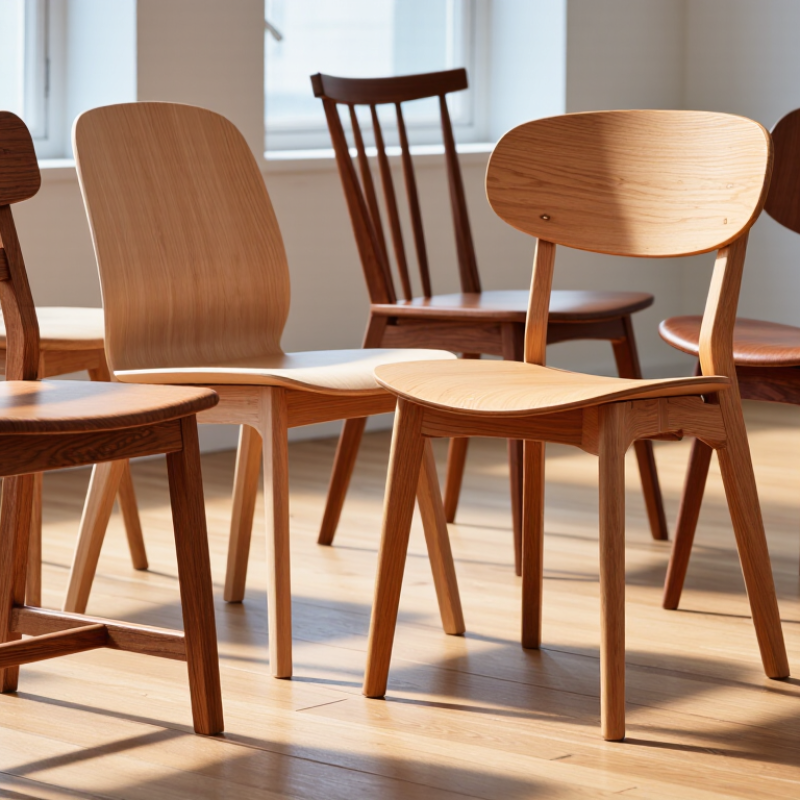
Choosing the Top Wooden Dining Chairs for Global Buyers requires more than attractive photographs. A chair may look elegant online, yet feel unstable after six months of daily use. Experienced buyers examine the wood species, moisture control, joint construction, seat height, and surface finish. These details influence comfort, durability, shipping safety, and customer satisfaction across different markets.

Furniture designer Charles Eames famously said, “The details are not the details. They make the design.” His observation remains valuable when comparing Wooden Dining Chairs from international suppliers. Oak offers strength and visible grain. Rubberwood can provide consistent value when properly kiln-dried. Beech supports clean shapes and smooth finishes. Still, material names alone prove little. Factory records, sample inspections, and independent quality checks matter more.

A reliable buying guide should also consider practical global concerns. Does the chair fit common dining tables? Can its finish resist spilled coffee? Are replacement parts available? Does the packaging protect the legs during long-distance transport? These questions are easy to overlook. They should not be.

Supplier transparency builds confidence. Buyers should request production photos, test reports, wood-origin information, and clear warranty terms. Certifications can support responsible sourcing, but they need verification. Even careful recommendations have limits. A chair tested in a dry showroom may behave differently in a humid restaurant. That uncertainty deserves honest attention.

This guide compares leading Wooden Dining Chairs through design, comfort, construction, maintenance, value, and supplier reliability. The goal is not to crown one universal winner. It is to help global buyers choose chairs that perform in real homes, restaurants, hotels, and changing climates.
Top Wooden Dining Chairs for Global Buyers?

What Defines a High-Quality Wooden Dining Chair?

Top Wooden Dining Chairs for Global Buyers?

A high-quality wooden dining chair begins with stable, well-seasoned timber. During warehouse inspections, I check for twisting legs, open knots, and hairline cracks near the joints. Kiln-dried wood usually reduces later movement, but it does not prevent every problem. Wood responds to humidity.

Strong joinery matters more than thick-looking parts. Mortise-and-tenon joints, reinforced corner blocks, and accurate screws can improve daily durability. I gently rock each chair on a flat floor. Any clicking sound deserves attention. A chair should feel firm, not rigid or excessively heavy.

Comfort depends on dimensions, not appearance alone. A seat around 45 to 48 centimeters high suits many dining tables. The front edge should support the thighs without pressing sharply behind the knees. A slightly flexible backrest can feel better during long meals. Test it yourself.

The surface finish should feel smooth, with no rough patches beneath the seat or along the back. Water-based finishes may offer lower odor, while protective coatings need even application and proper curing. Buyers should request moisture readings, load-test details, material descriptions, and care instructions. Independent inspection adds useful confidence, especially for large shipments.

Small flaws can reveal honest craftsmanship. Natural color variation is acceptable, but unstable joints are not. I once overlooked a faint split under a seat because the visible surface looked perfect. That mistake changed my inspection routine. Quality is often hidden where customers rarely look.


Top Wooden Dining Chairs for Global Buyers: What Defines High Quality?

The chart presents typical reference targets used when evaluating wooden dining chairs for indoor use. Actual requirements may vary by wood species, climate, construction method, and local safety standards.

A high-quality chair generally combines properly dried wood, comfortable proportions, stable joints, and consistent manufacturing tolerances. The values shown are typical ergonomic and interior-furniture reference ranges rather than universal certification limits.

Which Wood Types Suit Different Dining Environments?

Top Wooden Dining Chairs for Global Buyers: Which Wood Types Suit Different Dining Environments?

Wood choice should match the room, climate, and expected daily use. Oak suits busy family dining areas because its dense grain resists dents and supports repeated refinishing. Beech has a smooth surface and consistent texture, making it suitable for painted chairs and modern interiors. Walnut adds rich color to formal dining rooms, but its softer surface may show scratches sooner.

Humid coastal environments require careful selection. Teak naturally handles moisture better than many indoor woods, although it still needs suitable sealing and ventilation. Rubberwood can offer stable performance and efficient sourcing when properly kiln-dried. In dry homes with strong heating, wood may shrink slightly. Small gaps can appear. No wood is perfect. A common mistake is judging quality only by appearance, while ignoring moisture content, joint construction, and finish durability.

Tips: Check the chair’s moisture content before shipment. Ask for close-up photos of joints and underside supports. For restaurants, test several chairs for wobble after repeated loading. Use felt pads on hard floors, and keep chairs away from direct heat. A matte finish hides minor marks better than a glossy one, but it may feel less luxurious. Local climate data should guide the final specification, even when the chair looks excellent in a showroom.

How to Compare Chair Designs, Comfort, and Durability?

Top Wooden Dining Chairs for Global Buyers?

How to Compare Chair Designs, Comfort, and Durability?

Compare the chair’s contact points before admiring its appearance. A supportive back should meet your lower shoulder area without forcing your spine forward. Seat height matters too. A practical dining seat often measures about 450–480 millimeters from floor to cushion. Check the distance between the seat and table apron with your own legroom. Armrests can improve comfort, but they may prevent the chair from sliding fully under the table. Design is useful only when it fits real dining habits.

Durability requires more than thick legs. Inspect corner joints, screw alignment, wood grain, and the stability of each connection. The USDA Forest Products Laboratory’s Wood Handbook reports that tangential wood shrinkage is often about twice radial shrinkage in many species. Seasonal humidity can therefore loosen joints or create small gaps. Kiln-dried timber and suitable movement allowances reduce this risk, but they do not remove it. The European standard EN 12520 covers strength, stability, and durability testing for domestic seating. Ask suppliers for test evidence, load ratings, finish details, and replacement-part policies. A beautiful chair can still fail early. I would also test several samples, because one weak joint can distort a confident product claim.

What Specifications Matter to Global Furniture Buyers?

Top Wooden Dining Chairs for Global Buyers

What Specifications Matter to Global Furniture Buyers?

Global furniture buyers judge a wooden dining chair beyond its appearance. Dimensions must fit local tables, shipping cartons, and smaller dining rooms. A practical seat height is usually about 45–48 centimeters, but preferences differ. Confirm these measurements with a technical drawing. Small errors become expensive at scale.

Wood species, moisture content, and joint construction deserve close inspection. For many indoor products, kiln-dried wood with controlled moisture reduces later movement. Ask for the tested moisture range, not a vague “well seasoned” claim. Check load capacity, wobble resistance, and repeated-use testing. A chair should feel stable after thousands of cycles. It should not merely look sturdy. Finish performance also matters. Request abrasion, adhesion, and chemical-resistance data suited to household use.

Packaging specifications can protect both quality and margins. Measure carton efficiency, stacking limits, edge protection, and replacement-part availability. Clear assembly instructions help retailers in different languages. Documentation should identify materials, dimensions, tolerances, test methods, and inspection dates. Certifications may be required by the destination market, so verify current local rules before ordering. A sample can hide problems. Attractive prototypes sometimes fail when screws loosen or cartons absorb humidity. That deserves honest review. The best specification is not always the most expensive one; it is supported by repeatable evidence and realistic use conditions.

How to Evaluate Suppliers, Safety Standards, and Shipping Options?

Top Wooden Dining Chairs for Global Buyers

Selecting a wooden dining chair begins with supplier verification, not attractive product photos. Request the company’s registration details, factory address, production capacity, and recent export references. A video tour can reveal timber storage, sanding areas, and finishing conditions. Ask whether the supplier controls moisture levels before assembly. Wood that is too damp may warp after arrival. I have seen polished samples hide uneven joints, so inspect several production pieces, not just one.

Safety records need careful checking. Ask for test reports covering strength, stability, load capacity, and surface finishes. Standards such as EN 12520, EN 16139, or relevant ASTM methods may apply, depending on the destination market. Confirm that reports match the actual chair model and current materials. Sharp corners, loose screws, weak legs, and excessive coating odors deserve immediate attention. Documentation helps, but physical inspection remains essential.

Tips: Use a third-party inspection before final payment. Measure carton dimensions and test packaging drop resistance. Confirm whether chairs ship assembled or flat-packed. Discuss Incoterms, port charges, insurance, and customs paperwork in writing. Add corner protection, moisture barriers, and clear labels for fragile cartons. Shipping estimates can change. Leave a small schedule buffer.

Top Wooden Dining Chairs for Global Buyers: Supplier, Safety and Shipping Evaluation

A practical comparison framework for comparing wooden dining-chair suppliers without relying on brand or company names.

Buyer Evaluation Matrix for Wooden Dining Chairs
Evaluation Area Recommended Benchmark What to Inspect Relevant Standard or Document Shipping and Packaging Considerations Buyer Acceptance Check
Solid Wood Construction Beech, ash, rubberwood, oak, birch or other documented hardwood species; moisture content generally targeted at approximately 8–12% for indoor furniture, subject to destination climate. Confirm wood species, finger-jointed parts, dowels, mortise-and-tenon joints, leg alignment, knots, cracks and visible repairs. Material specification sheet; moisture-meter records; wood legality or chain-of-custody documents where required. Use corner protection, moisture barriers and desiccant where appropriate. Avoid sealing damp wood inside export packaging. Test a production sample for rocking, joint movement and visible splitting after assembly and conditioning.
Frame Strength and Durability Stable four-leg or reinforced frame with no permanent looseness after repeated loading. The exact test load should match the intended market and product category. Inspect front-to-back and side-to-side joint strength, leg-to-seat connections, screw retention and support blocks. EN 12520:2015 for domestic seating strength, durability and safety requirements; EN 16139:2013 may be relevant for non-domestic seating. Protect legs and joints from compression during palletization. Prevent stacked chairs from rubbing against one another. Request a complete laboratory report identifying the exact model, test method, sample quantity and pass/fail results.
Seat Height and Ergonomics Common dining-seat height is approximately 430–480 mm from floor to the top of the compressed seat, depending on cushion thickness and table height. Measure seat height, seat depth, seat width, back angle, front-edge comfort and clearance below the table. Product technical drawing with tolerances; dimensional inspection report. Nested or knock-down designs can reduce cubic volume, but assembly instructions and hardware must be protected. Check at least three samples for dimensional consistency and compatibility with the buyer’s table specification.
Finish and Chemical Safety Even, fully cured coating with no excessive odor, blistering, flaking, sharp edges or exposed unfinished areas. Check coating adhesion, color consistency, surface smoothness, stain resistance and edge sealing. For EU sales, assess applicable REACH obligations and restricted substances. For US sales, confirm applicable federal, state and local requirements. Use non-abrasive separators and allow sufficient curing time before packing to reduce blocking and odor transfer. Request coating technical data, safety data sheets and test reports from an accredited laboratory where required.
Upholstered Seat Option Use dense, resilient foam with securely fixed fabric or leather substitute; specify foam density and cover abrasion requirements in the purchase order. Inspect seam strength, staple placement, fabric tension, foam recovery and attachment between seat and frame. California TB117-2013 may apply to certain upholstered furniture sold in California; confirm the destination-market requirement before ordering. Protect upholstery from moisture, dust and container condensation. Use breathable packaging where appropriate. Request fabric composition, abrasion test results, colorfastness data and flammability documentation when applicable.
Safety and User Protection No sharp corners, exposed fasteners, unstable legs, pinch points, toxic surface residues or detachable parts that create a foreseeable hazard. Inspect corner radii, screw caps, underside staples, leg levelers, anti-tip behavior and stability on uneven floors. EN 12520:2015 is a useful reference for domestic seating safety and durability; destination-country consumer-product rules still apply. Keep hardware bags and assembly components secured so they cannot damage the chair during transit. Perform a pre-shipment inspection using approved samples, defect classifications and a documented acceptance limit.
Supplier Quality System Traceable incoming-material checks, controlled production drawings, final inspection records and corrective-action procedures. Review process controls for wood moisture, machining, sanding, finishing, assembly and carton packing. ISO 9001 certification can support quality-system evaluation, but it does not replace product testing or inspection. Require carton drop-test or compression-test evidence when the packaging design or distribution route changes. Use a first-article approval, golden sample, inspection checklist and batch traceability code.
Packaging and Export Readiness Double-wall cartons or equivalent protection for export routes; internal dividers should prevent movement and finish contact. Check carton dimensions, gross weight, pallet stability, barcode placement, moisture protection and stacking limits. ISPM 15 applies to solid-wood pallets, crates and dunnage used in international trade; packaging marks and customs rules vary by destination. Compare flat-packed, knock-down and fully assembled options. Confirm whether pallet dimensions fit the carrier and destination warehouse. Approve a packed sample and verify carton labeling, packing list, country-of-origin marking and shipping marks.
Container Utilization Use verified packed dimensions rather than chair dimensions. A typical export carton may contain 1–4 chairs depending on nesting and protection. Calculate packed cubic volume, gross weight, carton count and usable loading height. Commercial packing list; container loading plan; verified carton measurement sheet. Compare the actual loading plan with nominal container capacity. Typical nominal internal volumes are about 33 m³ for a 20-foot dry container and 67 m³ for a 40-foot dry container; usable volume is lower. Request a loading diagram and confirm whether the quoted freight is based on actual or estimated volume.
Incoterms and Freight Choose the term according to the buyer’s ability to manage export, freight, insurance, customs clearance and inland delivery. Clarify named place, transfer of risk, export clearance, insurance responsibility, destination charges and demurrage exposure. Use Incoterms® 2020 terminology and state the named port, terminal or place in the sales contract. Compare FOB, FCA, CIF, DAP and other suitable options on the same shipment assumptions; destination charges may be excluded from low freight quotes. Obtain a written landed-cost calculation covering product, packaging, freight, insurance, duties, taxes, port fees and final delivery.
Lead Time and Claims Separate sample approval, material preparation, production, inspection, booking, transit and customs time in the schedule. Review production capacity, holiday closures, inspection booking rules, replacement policy and response time for defects. Purchase contract; approved sample; inspection plan; written claim and remedy procedure. Define responsibility for transit damage, moisture damage, missing cartons and delayed delivery. Photograph loading and container seals. Use measurable service terms such as inspection date, shipment window, defect threshold and required corrective-action deadline.

Important: Standards, chemical restrictions, labeling rules, flammability requirements and import documentation differ by destination market. Confirm the current legal requirements with the relevant authority or a qualified testing and customs professional before placing a commercial order.