What Is the Best Wooden Filing Cabinet in 2026?
Choosing the best Wooden Filing Cabinet in 2026 requires more than comparing finishes and drawer counts. Recent office-furniture reports from Grand View Research and Fortune Business Insights point toward continued demand for durable, flexible, and sustainable storage. Their findings also reflect a practical shift: buyers want furniture that supports hybrid work without making rooms feel industrial.
A strong cabinet should have smooth full-extension runners, stable anti-tip protection, and clearly stated weight limits. Look closely at the joinery. Dovetail drawer construction, thick back panels, and scratch-resistant veneer usually indicate better long-term performance. FSC-certified timber and low-emission finishes add value, especially in small offices with limited ventilation. ANSI/BIFMA storage-furniture guidance can help buyers check safety and performance claims. Still, certification does not guarantee beauty or perfect usability.
Peter Walsh, a professional organizing expert, once said, “Clutter is not just physical stuff. It’s an idea.” That thought applies here. A cabinet should make documents easier to find, not simply hide them behind attractive doors. In my experience, a warm oak cabinet can calm a crowded study, while a poorly balanced unit becomes an obstacle. No single model suits every room. That is worth admitting.
This guide compares construction, capacity, materials, security features, maintenance, and value. It also considers real details, such as drawer noise, floor stability, and whether legal-size folders fit comfortably. The best Wooden Filing Cabinet is not always the largest or most expensive. It is the one that remains useful after the showroom appeal fades.
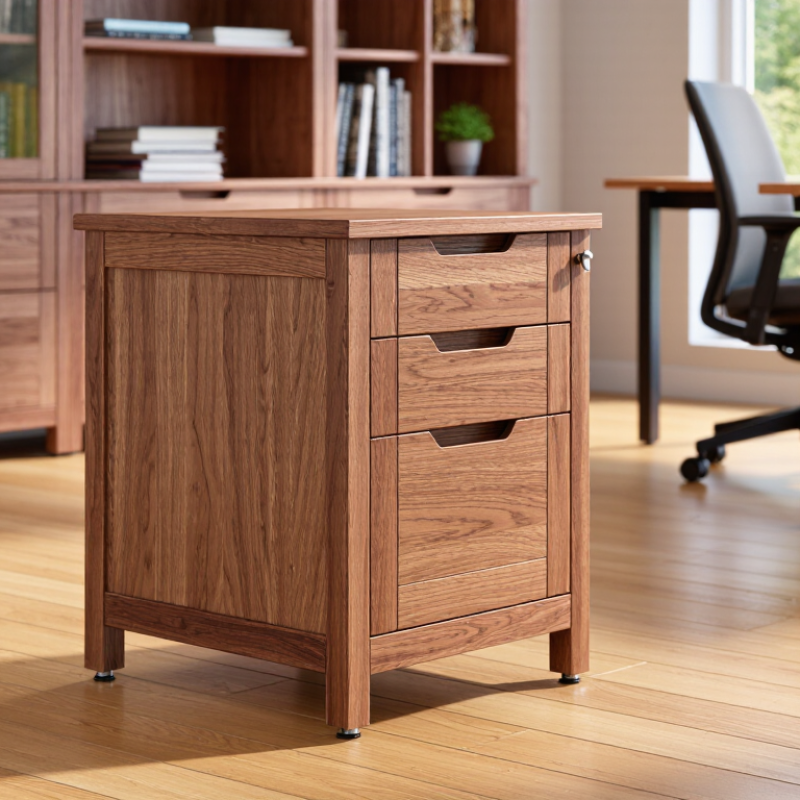
Key Features of the Best Wooden Filing Cabinets in 2026
The best wooden filing cabinet in 2026 should be judged by working details, not showroom polish. Gensler Research Institute’s 2024 Global Workplace Survey links effective workplaces with focus, privacy, and adaptable support spaces. A cabinet can support all three when it stores documents quietly and fits beneath a desk. Measure the available width first. Allow room for open drawers. A beautiful cabinet can still be awkward.
Construction matters more than decorative grain. Look for plywood or solid-wood components, reinforced drawer bottoms, and metal runners with smooth full extension. ANSI/BIFMA storage-furniture testing evaluates stability, durability, and repeated drawer operation. Ask whether the product follows those tests, rather than trusting vague claims. Each drawer should open without tipping the cabinet forward. An anti-tip interlock is essential. Lockable storage also protects confidential paperwork. Check the lock quality in person.
Good capacity is practical, not enormous. Letter-size files need different internal dimensions from A4 folders. A 2023 U.S. Census Bureau report recorded millions of people working from home, making compact home-office storage increasingly relevant. Yet remote workers often buy furniture by appearance. I have made that mistake. Dark finishes show dust quickly. Glossy coatings reveal fingerprints. Choose water-based finishes, replaceable hardware, and certified wood where possible. Recycled packaging helps, but it does not excuse weak construction. Ask about drawer load ratings, repair parts, warranty coverage, and formal test documentation before paying.
Wood Types, Construction Quality, and Long-Term Durability
A durable wooden filing cabinet starts with the right wood, not a glossy finish. The USDA Forest Products Laboratory’s Wood Handbook, 2021 edition, explains that wood changes dimension as moisture changes. Dense hardwoods, such as oak or maple, usually resist dents better than pine. However, density alone does not guarantee stability. Well-made plywood can remain flatter than a poorly dried solid-wood panel. That detail is easy to miss.
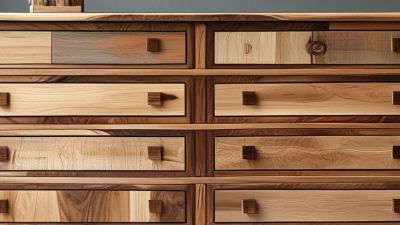
Construction quality becomes visible in the drawer box. Look for five-sided joinery, glued corners, full-extension metal slides, and a supported cabinet back. The ANSI/BIFMA X5.9 standard evaluates storage units through load and durability testing, so a credible product should provide test information, not vague claims. I also check whether drawers stay square when fully opened. A small twist often predicts future sticking. It is not scientific testing, but it reveals careless assembly.
Long-term durability depends on moisture control, hardware, and daily use. The Forest Products Laboratory recommends keeping wood near stable indoor humidity because repeated swelling and shrinkage can loosen joints. A cabinet beside a radiator may fail faster than one made from cheaper wood in a controlled room. Finishes should cover exposed edges, especially around drawer fronts and the bottom rails. I would not treat weight as proof of quality. Heavy panels can hide weak fasteners. Ask for material thickness, slide-cycle results, and formaldehyde-emission documentation when available. Good evidence is specific. Avoid perfection claims.
Filing Capacity, Drawer Design, and Document Organization
What Is the Best Wooden Filing Cabinet in 2026?
The best wooden filing cabinet balances filing capacity, drawer design, and daily usability. A cabinet should hold current documents without becoming a crowded wooden box. Look for two or three drawers with enough depth for hanging folders, envelopes, and labeled project files. Standard letter-size documents need usable interior width, not just impressive exterior dimensions.
Measure the available floor space before shopping. Measure twice. A practical capacity test is simple: place one month of paperwork in each drawer. Leave a small gap for easy movement. Smooth, full-extension runners help users reach the back without removing half the contents. Strong drawer bottoms matter when files become heavy. Anti-tip features also improve stability, especially when one drawer is open.
Document organization depends on small design choices. Separate active files from archived records, and use clear labels facing outward. A lock can protect private paperwork, but it should not replace sensible access control. Wood construction may provide warmth, yet poor ventilation can trap moisture in damp rooms. I once favored appearance over drawer clearance; that was a mistake. A beautiful cabinet becomes frustrating when folders catch on the frame. Check assembly instructions, weight limits, and warranty terms carefully. Measurements on product pages can also exclude handles or trim.
Security, Stability, Maintenance, and Workplace Compatibility
What Is the Best Wooden Filing Cabinet in 2026?
Security should begin with structure, not decoration. A reliable wooden filing cabinet needs a lockable drawer, reinforced runners, and an anti-tip mechanism. ANSI/BIFMA X5.9 testing focuses on stability, durability, and safe drawer operation. That matters when one fully loaded drawer can exceed 25 kilograms. In daily use, I prefer cabinets with smooth extension stops and drawers that open evenly. Small details prevent sudden tipping.
Wood also reacts to its environment. The ASHRAE Handbook recommends indoor relative humidity generally between 30% and 60%. Excess moisture can swell panels, while dry air may loosen joints or split veneer. Wipe spills quickly. Avoid harsh silicone cleaners. A soft cloth and mild solution are usually enough. I have seen attractive cabinets fail because water reached the bottom edge. The finish was not the real problem.
Workplace compatibility requires more than matching a desk. A 2024 global workplace benchmark, based on over one million employee responses, found that workers value privacy and personal control alongside collaboration. Filing storage should therefore support quiet access without blocking walkways or shared zones. Measure door clearance, drawer swing, and floor loading before purchase. Consider accessibility, too. Heavy drawers can frustrate users with limited strength. I would not trust a cabinet simply because it feels solid; uneven floors and overloaded drawers can expose weaknesses over time.
How to Choose the Right Wooden Filing Cabinet for Your Needs
Choosing the best wooden filing cabinet in 2026 starts with your daily workflow, not its appearance. Consider the documents you handle, their sizes, and how often you access them. A cabinet for home invoices needs less capacity than one for client records. Measure your available space carefully, including drawer clearance and walking room. A beautiful cabinet becomes frustrating when drawers hit a desk.
Look for solid or reinforced wood, smooth drawer slides, and strong joints around the frame. Full-extension slides let you reach files at the back without removing everything. Check whether the drawers support hanging folders without bending. A lock may improve privacy, but it should not replace sensible document storage and regular backups. In my experience, anti-tip construction matters greatly, especially when several drawers are open. I once chose a cabinet by finish alone. It looked excellent, but the shallow drawers wasted space. That mistake changed my buying checklist.
Tips: Test each drawer before purchase. Listen for scraping or uneven movement. Leave a little extra capacity for future paperwork. Choose a finish that matches your room, but inspect the edges closely for weak veneer. For humid areas, use a moisture-resistant coating and avoid placing the cabinet directly against a damp wall. Wood can swell. Even reliable furniture needs occasional care. Recheck loose handles, clean the slides, and avoid overloading one drawer.


 +8618702197143