+8618702197143
Leave Your Message
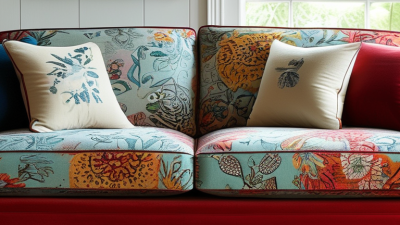
Sourcing Slipcovered Sofas globally in 2026 requires more than comparing catalog prices. Buyers must evaluate construction, fabric performance, supplier reliability, and delivery risk together. A sofa may look inviting in a showroom yet fail after repeated washing or careless packing. Real sourcing experience begins with asking uncomfortable questions early.
This guide explores how to identify capable manufacturers across established and emerging furniture markets. It considers frame materials, removable-cover stitching, foam density, fabric testing, and replacement-part support. Request physical samples, production photographs, factory records, and recent customer references before placing a large order. Small details matter. Check zipper strength, seam alignment, carton protection, and moisture barriers.
Global purchasing also depends on disciplined communication. Confirm dimensions in writing, clarify packaging standards, and document inspection points before production starts. Independent inspections can reveal uneven cushions, incorrect fabric shades, or weak corner protection. Freight rates, lead times, duties, and changing import requirements should be verified with qualified logistics professionals and official authorities.
No supplier database stays perfect. Markets shift, factories change ownership, and attractive quotations sometimes hide expensive compromises. That is the difficult part. A practical sourcing strategy should include backup suppliers, realistic quality allowances, and a clear response plan for delays or defects. This article offers a structured, evidence-led approach to buying Slipcovered Sofas with greater confidence, while recognizing that careful judgment remains essential.
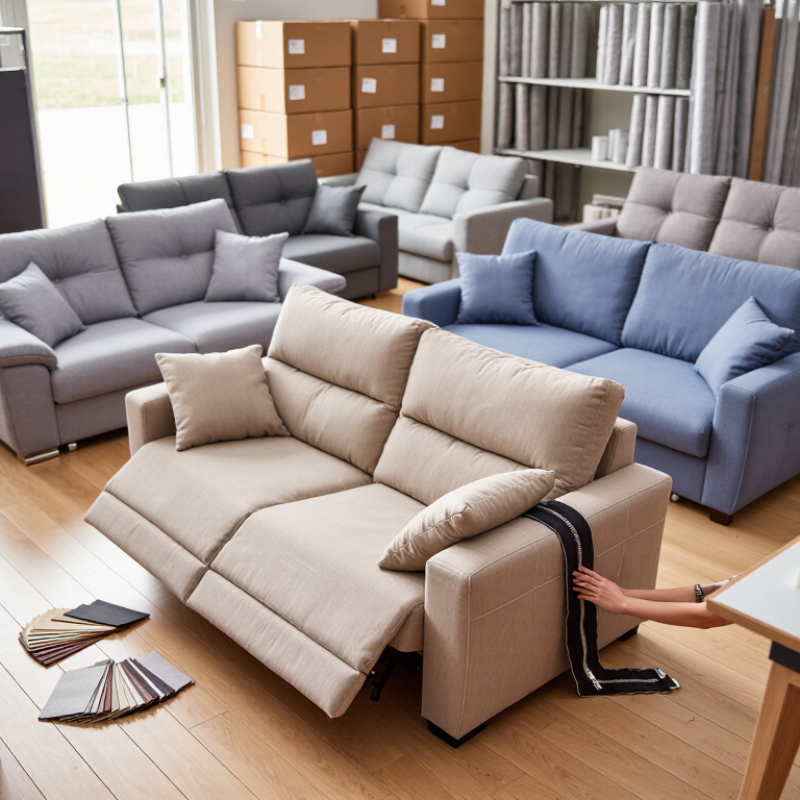
In 2026, the global slipcovered sofa market is shaped by practical living, flexible interiors, and stronger interest in washable upholstery. Demand is growing across urban households, rental properties, hospitality projects, and family homes. Consumers increasingly compare removable covers, fabric durability, repair options, and delivery reliability. Regional preferences remain different. North American buyers often favor generous seating and relaxed silhouettes. European markets typically emphasize compact dimensions, restrained colors, and material traceability. In Asia and the Middle East, adaptable designs suit smaller apartments and changing hospitality spaces. Public market data varies by definition, so forecasts should be treated as directional rather than exact.
For global sourcing, buyers should assess factories through documented production records, sample reviews, and video inspections. A useful sample should show stitching, zipper strength, seam alignment, cushion recovery, and washing performance. Ask for fabric composition and test results. Photos can mislead. Important checks include frame material, foam density, packaging protection, and replacement-cover availability. Supplier selection also depends on lead time, minimum order quantity, port access, and communication discipline. Costs can change after freight, duties, local taxes, and inspection fees. Buyers should verify applicable flammability, chemical, labeling, and consumer-safety requirements in each destination.
A reliable buying process uses a written specification and a small pilot order before larger commitments. Track color consistency under daylight, cover shrinkage after washing, and carton damage on arrival. Real-world testing matters. The market is not perfectly transparent. Reports may overlook informal suppliers or sudden freight disruptions. That uncertainty deserves a contingency plan, not optimistic assumptions. Some buyers also underestimate after-sales logistics when covers or cushions need replacement across borders.
| Region | 2026 Market Demand Signal | Typical Manufacturing Strengths | Common Slipcovered Sofa Construction | Indicative FOB Planning Range per 3-Seat Sofa |
Typical Production Lead Time | Estimated Ocean Transit to Major Import Markets | Key Sourcing and Compliance Considerations |
|---|---|---|---|---|---|---|---|
| East and Southeast Asia |
High Broad export capacity, strong upholstery supply chains, and extensive fabric and foam availability. |
High-volume upholstery, cut-and-sew operations, modular frames, flat-pack development, and wide material sourcing. | Hardwood or engineered-wood frame; sinuous springs or webbing; high-resilience foam; cotton, linen-blend, polyester, or recycled-fiber covers. | US$280–750 | 45–75 days after approved sample and materials |
18–35 days to North America 28–45 days to Northern Europe |
Confirm timber legality, formaldehyde limits, flame-retardant requirements, fabric colorfastness, carton testing, and spare-cover availability. |
| South Asia |
Medium to High Competitive labor costs and increasing capacity for natural-fiber upholstery and solid-wood furniture. |
Hand tailoring, natural textiles, solid-wood frames, loose covers, decorative piping, and small-to-medium production runs. | Solid-wood or mixed-material frame; foam-and-fiber seat cushions; linen, cotton, jute-blend, or textured woven covers. | US$260–700 | 50–85 days after approval |
25–45 days to North America 24–40 days to Europe |
Check moisture control, wood-treatment documentation, stitching consistency, dimensional tolerances, and container-loading efficiency. |
| Eastern and Central Europe |
Medium Proximity to European consumers supports shorter replenishment cycles and smaller order quantities. |
Upholstered furniture engineering, contract-grade construction, short-distance distribution, and flexible customization. | Solid or engineered-wood frame; pocket-spring or zigzag-spring options; removable woven or performance-fabric covers. | US$550–1,250 | 30–60 days after approval |
2–10 days by road to Western Europe 25–45 days by sea to North America |
Strong option for European replenishment; verify EU product-safety, chemical, textile-labeling, packaging, and extended producer-responsibility obligations. |
| Western Europe |
Medium to High Mature replacement demand, design-led interiors, repairability interest, and preference for durable removable covers. |
Premium upholstery, design engineering, certified materials, made-to-order production, and high-quality finishing. | Reinforced frame; pocket springs or high-density foam; tailored covers with concealed zippers, washable panels, and replaceable components. | US$850–2,000 | 35–75 days after approval |
1–7 days by road within nearby markets 25–45 days by sea to North America |
Higher labor cost but shorter regional lead times; prioritize durability testing, repair-part support, fabric traceability, and recycling information. |
| North America |
High Large residential furniture base, demand for deep-seated comfort, family-friendly fabrics, and replacement covers. |
Domestic upholstery, configurable sectionals, performance fabrics, online-furniture fulfillment, and final assembly. | Kiln-dried wood or engineered frame; sinuous springs, webbing, or hybrid suspension; removable machine-washable or performance covers. | US$750–1,900 | 30–70 days after approval |
Domestic road distribution: 1–10 days Import replenishment depends on port and inland capacity |
Confirm applicable flammability rules, packaging dimensions, labeling, warranty terms, replacement-cover SKU control, and residential delivery capability. |
| Latin America |
Medium Regional urbanization and local demand support domestic and near-market production, while imports remain relevant for selected designs. |
Wood-frame upholstery, leather and textile finishing, regional customization, and medium-volume production. | Solid-wood or plywood frame; foam cushions; cotton, polyester, chenille, or blended textile covers. | US$350–950 | 45–90 days after approval |
20–40 days between major regional ports Longer inland transit may apply |
Evaluate local import duties, currency exposure, port congestion, humidity protection, wood documentation, and after-sales service coverage. |
| Middle East and North Africa |
Medium Residential development and hospitality projects create demand for durable, easy-care upholstery. |
Custom upholstery, project furniture, decorative textiles, and regional final assembly. | Reinforced frame; dense foam; polyester, acrylic-blend, or treated woven covers designed for high-use environments. | US$400–1,100 | 45–85 days after approval |
18–35 days from Asian ports 15–30 days from European ports |
Specify UV resistance, abrasion performance, stain resistance, dust protection, high-temperature storage conditions, and local conformity requirements. |
| Oceania |
Medium to High Strong preference for comfortable living-room furniture, practical fabrics, and durable products suited to family use. |
Local customization, imported-frame assembly, performance textiles, modular seating, and direct-to-consumer logistics. | Engineered-wood or hardwood frame; foam-and-fiber cushions; removable polyester, cotton-blend, linen-look, or outdoor-rated covers. | US$450–1,250 | 45–85 days after approval |
18–30 days to Australia 20–35 days to New Zealand |
Allow for long replenishment cycles; verify fire-safety requirements, packaging strength, humidity protection, fabric performance, and local delivery surcharges. |
Planning note: FOB ranges and lead times are indicative 2026 sourcing benchmarks for standard three-seat slipcovered sofas, excluding duties, taxes, inspection, inland freight, tooling, custom development, and exceptional freight surcharges.
Recommended supplier qualification data: frame material and moisture content, suspension type, foam density, Martindale or equivalent abrasion result, seam strength, shrinkage after washing, colorfastness, formaldehyde status, flammability documentation, carton dimensions, and replacement-cover availability.
Market interpretation: Demand signals are comparative planning indicators rather than audited regional market-share statistics. Actual costs vary by specification, order volume, fabric composition, certification requirements, shipping lane, and trade policy.