Leave Your Message

Top 10 Types of Side Tables for Global Buyers

The global furniture market is becoming more varied, practical, and design-conscious. Grand View Research valued the global furniture market at approximately USD 516.66 billion in 2022, with continued growth expected through 2030. This expansion creates opportunities for buyers searching beyond standard coffee tables. A well-selected Side Table can improve product value, room function, and visual balance within seconds.

Small furniture matters.

This guide explores ten Side Table types for global buyers, including nesting tables, C-tables, drum tables, pedestal tables, folding designs, and storage models. Each style answers a different commercial need. A C-table may serve compact apartments, while a nesting set offers flexible display space. Retailers must also examine materials, dimensions, packaging strength, finish consistency, and assembly requirements. These details influence shipping costs and customer reviews. They can also expose weak supplier quality.

Charles Eames, a widely respected furniture designer, said, “The details are not the details. They make the design.” His statement remains especially relevant to Side Table sourcing. Buyers should inspect edge protection, tabletop stability, hardware, and surface durability rather than judging photographs alone. Current reports from Grand View Research and Statista indicate strong furniture demand, but market forecasts are not guarantees. Consumer preferences change quickly. A beautiful table may still fail if it scratches easily or arrives damaged. This overview offers practical comparisons, while acknowledging that no single design suits every region, budget, or home.
Top 10 Types of Side Tables for Global Buyers

Definition and Core Functions of Side Tables

Definition and Core Functions of Side Tables

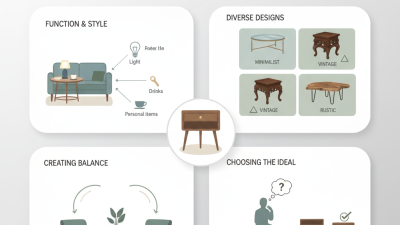
A side table is a compact furniture piece placed beside seating, beds, or work areas. It keeps frequently used items within comfortable reach. A lamp, book, phone, or cup can rest on its surface. Its value is practical, not merely decorative. Small footprint. Easy access. Better organization.

In professional furniture evaluation, a useful side table should match the surrounding seat height. A tabletop slightly below the armrest usually feels natural. Stable legs, balanced weight, and a durable surface also matter for daily use.

Drawers or shelves provide storage, while open designs make small rooms feel less crowded. Some tables can separate lounge zones or support a reading light. Buyers should check dimensions carefully, especially when importing for different room layouts. A narrow table may suit an apartment, but it can become unstable when overloaded. This detail is often overlooked.

Material choice affects maintenance too. Wood may offer warmth, while metal and engineered panels can simplify cleaning. Yet no material is perfect. Glossy finishes show fingerprints, and textured surfaces may collect dust. A reliable specification should state load capacity, dimensions, assembly requirements, and surface-care guidance. These details help buyers compare products honestly and reduce avoidable returns.
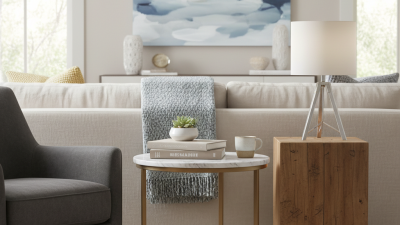
Top 10 Side Table Types and Their Distinctive Features

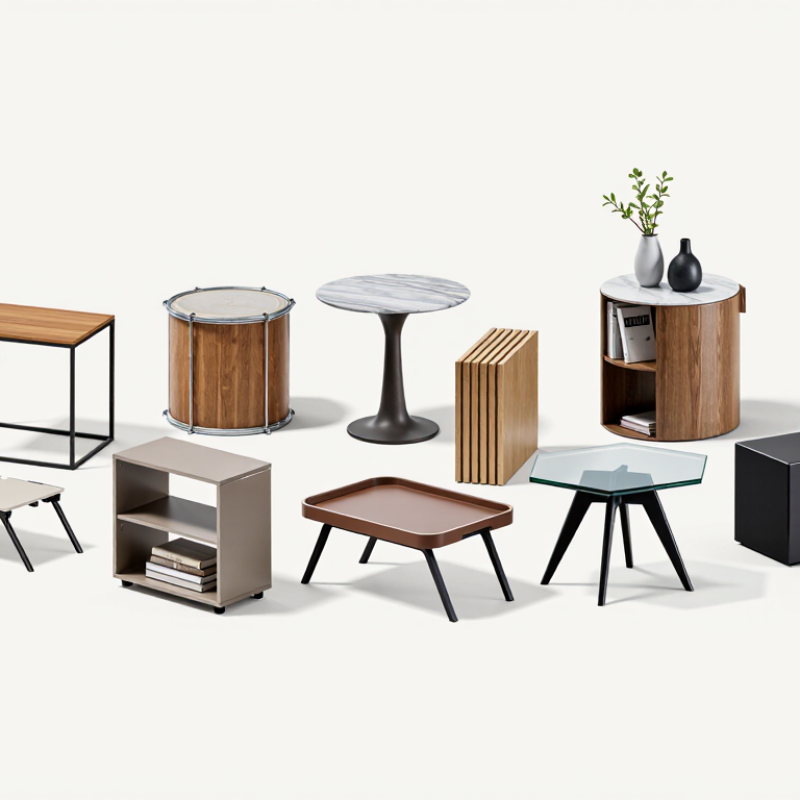
Side tables vary widely in purpose, structure, and visual weight. Nesting tables save space because smaller tables slide beneath larger ones. They suit apartments and flexible living rooms. C-shaped tables extend over sofas or beds. Their offset base supports laptops, drinks, and reading materials.

Pedestal tables use one central support. This design offers stable legroom and a clean silhouette. Drum tables have rounded, solid-looking bodies. They create a strong focal point, but heavier frames can increase shipping costs.

Tray-top tables feature raised edges that help prevent spills. They work well beside lounge chairs and in hospitality settings. Lift-top tables conceal storage beneath a hinged surface. Buyers should inspect hinge strength and opening clearance.

Folding tables collapse for transport and occasional use. They are practical, though repeated folding may loosen hardware. Bedside tables usually include drawers or open shelves. Their height should align closely with the mattress.

Outdoor side tables use weather-resistant materials, drainage gaps, or protective coatings. However, “weather-resistant” never means maintenance-free. Industrial-style tables often combine metal frames with wood or engineered panels.

Their visible joints can add character, but uneven welding may affect quality. In sourcing checks, examine edge finishing, load capacity, moisture resistance, and carton protection.

Compare assembled dimensions with room layouts. Small differences matter.

No type is perfect. A beautiful table may be inconveniently heavy. Local safety, chemical, and labeling requirements also deserve verification before purchase.

Request material details, inspection records, and clear assembly instructions from suppliers. Real usability should guide the final choice.

Materials, Shapes, Sizes, and Design Variations

Top 10 Types of Side Tables for Global Buyers

Side tables vary widely in materials, shapes, and practical uses. Nesting tables save space, while C-shaped tables slide neatly beside sofas or beds. Pedestal tables create a clean central profile. Drum tables offer a stronger visual presence. Folding tables suit temporary rooms and compact apartments. Lift-top tables add hidden storage, although their hardware needs careful testing.

Common materials include solid wood, engineered wood, metal, glass, stone, bamboo, and recycled composites. Wood brings warmth and visible grain, but humidity may cause movement during international shipping. Metal supports slim frames and industrial designs, yet uncoated surfaces can feel cold.

Glass enlarges a small room visually. It also demands safer packaging and careful edge inspection. Stone looks substantial, though its weight can raise freight costs.

Shapes should match both furniture scale and walking space. Round tops soften sharp seating layouts, while square and rectangular tops provide more usable surface. Oval designs offer a compromise. Small tables often measure 30–45 centimeters wide, while larger versions may exceed 60 centimeters. Height should sit near the sofa arm for convenient access.

Some designs use shelves, drawers, wheels, or adjustable legs. These details add value, but they also create more failure points.

I would recheck every joint, finish, and packing corner before approving a shipment. Comfort matters too. A table can look refined but still feel awkward beside a deep sofa.

How to Match Side Tables with Different Interior Spaces

Top 10 Types of Side Tables for Global Buyers: Matching Tables with Interior Spaces

Interior space should guide the table, not seasonal fashion. UN-Habitat reports that 1.6 billion people live in inadequate housing, making compact furniture increasingly important. In a narrow apartment, choose nesting, folding, C-shaped, or lift-top tables. They provide flexible surfaces without blocking walking routes. Measure twice. Small rooms punish guesses.

For a living room, a drum, pedestal, or tray-top table can create a stable visual anchor beside a sofa. Keep the tabletop close to the sofa arm height for easier daily use. In bedrooms, storage and mobile side tables suit books, lamps, and charging cables. A 2023 U.S. Environmental Protection Agency report notes that people spend about 90% of their time indoors, so comfort and reach matter more than decoration alone. For reading corners, tripod tables offer lightness; for family rooms, storage tables hide remote controls and toys. A C-shaped design can slide beneath a chair, but its narrow base may feel unstable on thick rugs.

Outdoor-adjacent rooms need moisture-resistant materials and sealed surfaces. Wellness-focused interiors may benefit from rounded edges and quiet finishes. The Global Wellness Institute valued the global wellness economy at 5.6 trillion dollars in 2022, supporting stronger attention to calming home environments. Still, not every rounded table works. Check the weight, edge profile, floor clearance, and cleaning requirements. Product testing should include a real lamp, a mug, and one careless reach. That reveals more than a catalogue photograph.

Top 10 Types of Side Tables for Global Buyers - How to Match Side Tables with Different Interior Spaces

Side Table Type Typical Dimensions Best-Matched Interior Spaces Primary Function Common Materials Recommended Placement Buyer Matching Considerations
End Table 45–65 cm H
40–60 cm W/D
Living rooms, reading corners, hotel lounges, bedrooms Holds lamps, books, beverages, and decorative objects beside seating Solid wood, engineered wood, metal, glass, stone Beside sofas, armchairs, recliners, or beds Choose a height close to the seat or mattress height for comfortable access.
Nesting Tables 35–55 cm H
30–55 cm W/D per table
Compact apartments, flexible living rooms, hospitality spaces Provides expandable surface area while saving floor space Wood, metal, glass, engineered wood, marble or stone-effect surfaces Grouped beside sofas or separated around a seating arrangement Check that the smaller tables slide fully beneath the larger table and remain stable.
C-Shape Table 55–70 cm H
35–45 cm W
30–45 cm D
Small living rooms, home offices, bedrooms, healthcare lounges Slides over a sofa or chair to support laptops, meals, or drinks Powder-coated steel, aluminum, wood, engineered wood Positioned under the sofa or chair edge with the base on the floor Confirm the lower frame clears the furniture base and the tabletop reaches the user comfortably.
Drum Table 45–60 cm H
40–60 cm diameter
Modern living rooms, lounges, boutique hospitality interiors Offers a stable circular surface with a strong sculptural presence Wood, metal, concrete, stone, ceramic, woven materials Beside sofas, between lounge chairs, or as a standalone accent Round profiles improve circulation; verify the base weight for high-traffic areas.
Pedestal Table 45–65 cm H
35–55 cm diameter
Contemporary homes, hotel seating areas, showrooms Creates a clean, central surface with minimal visible framework Wood, metal, stone, engineered stone, molded materials Beside accent chairs or between two seats A broad or weighted pedestal base improves stability and reduces leg obstruction.
Tray-Top Table 45–65 cm H
40–60 cm W/D
Family rooms, hospitality areas, bedrooms, casual dining corners Supports drinks and accessories while helping contain small items Wood, metal, rattan, engineered wood, removable tray materials Next to sofas, lounge chairs, or beds Raised edges help prevent items from sliding; removable trays add serving flexibility.
Drinks Table 50–70 cm H
25–40 cm W/D or diameter
Compact lounges, restaurants, bars, waiting areas Provides a small surface for cups, glasses, phones, and light accessories Metal, wood, glass, stone, engineered wood Close to armchairs or placed between individual seats Use a compact footprint where circulation is limited; prioritize a stable, easy-clean top.
Bedside Table 50–70 cm H
40–60 cm W
35–45 cm D
Master bedrooms, guest rooms, serviced apartments, hotels Stores personal items and supports lamps, clocks, books, or charging devices Wood, engineered wood, metal, glass, laminate Beside one or both sides of a bed Match the tabletop height closely to the mattress and allow clearance for drawers and doors.
Driftwood or Organic-Edge Table 40–60 cm H
35–60 cm W/D
Coastal, rustic, biophilic, and natural-style interiors Adds texture and an individual accent while providing occasional surface space Solid wood, reclaimed wood, bamboo, natural stone, woven fibers Beside sofas, near plants, or in reading and relaxation areas Review moisture resistance, surface treatment, edge consistency, and natural material variation.
Storage Side Table 45–65 cm H
40–60 cm W/D
Family rooms, small apartments, bedrooms, office lounges Combines a tabletop with drawers, shelves, cabinets, or concealed storage Engineered wood, solid wood, metal, rattan, laminate, glass Beside sofas, beds, reading chairs, or work areas Check internal storage volume, door or drawer clearance, load capacity, and assembly requirements.

Global Buying Factors: Quality, Standards, Cost, and Shipping

Top 10 Types of Side Tables for Global Buyers

Global buyers can choose nesting, round, square, C-shaped, pedestal, drum, folding, bedside, lift-top, or outdoor side tables. Each type serves a different room and shipping need. A nesting set saves space but requires stable stacking. A lift-top table needs reliable hinges and smooth movement. Quality checks should cover wood moisture, weld strength, surface coating, edge safety, and load capacity.

Standards vary between markets, so suppliers should provide clear material details and test documents. Check formaldehyde limits, paint safety, packaging rules, and labeling requirements before ordering. Cost is not only the factory price. Include sampling, inspection, inland transport, duties, and possible storage fees. Low prices can hide weak hardware or poor cartons. That mistake is expensive.

Tips: Request a production sample before bulk payment. Measure the packed carton, not only the table. Confirm shipping terms, pallet strength, and delivery estimates in writing. Test one carton after a simulated drop. It may reveal problems early. I have found that simple designs often ship more reliably, but this is not always true. Decorative parts can raise damage risks, yet they may improve market appeal. Buyers should compare total landed cost, not just the quotation.

Top 10 Types of Side Tables for Global Buyers

Global Buying Factors: Quality, Standards, Cost, and Shipping

The benchmark uses a 0–100 buyer-suitability index based on commonly observed furniture characteristics: material durability, ease of meeting general product-safety and packaging requirements, indicative unit cost, packed volume, and international shipping practicality. Lower-cost and flat-pack designs generally provide stronger logistics efficiency, while solid-wood and stone tables typically score higher for durability but require greater attention to weight, moisture control, packaging, and freight cost.

Indicative benchmark for product comparison; actual results vary by material specification, dimensions, order quantity, destination, and Incoterms.