Leave Your Message

What Are the Top 10 Types of Wooden Display Cabinets?

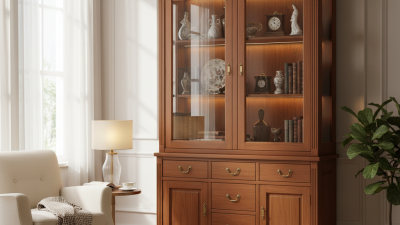
Wooden Display Cabinets do more than hold valuable objects. They shape how people see, understand, and remember them. A walnut cabinet can warm a quiet living room. A glass-front oak unit can protect ceramics from dust while keeping every detail visible. The right design depends on the object, room, lighting, and daily use.

George Nakashima, a celebrated woodworker and furniture designer, said, “The tree is a living organism, and its beauty is intrinsic.” His words remain meaningful for modern Wooden Display Cabinets. Wood grain, knots, joints, and small color changes give each cabinet a distinct character. These details are not defects. Sometimes, they are the most honest part of the furniture.

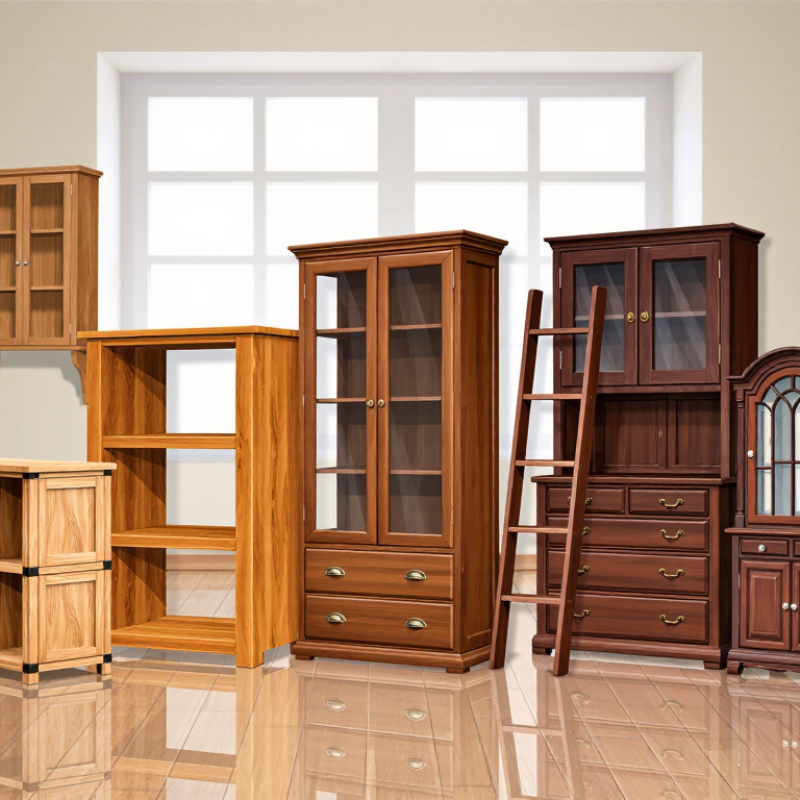
This guide explores the top ten types, including freestanding, wall-mounted, corner, modular, open-back, glass-door, ladder-style, barrister, curio, and illuminated cabinets. Each type offers different strengths. Some save floor space. Others create stronger visual focus or better dust protection. Construction quality also matters. Check the hinges, glass thickness, shelf supports, finish, and wall-fixing method before choosing. A beautiful cabinet can still disappoint if its shelves sag or its doors misalign. The categories may overlap, and no single style suits every collection. That limitation deserves attention. Your objects, room proportions, and maintenance habits should guide the final decision.
What Are the Top 10 Types of Wooden Display Cabinets?

What Wooden Display Cabinets Are and How They Are Classified

Wooden display cabinets are furniture units designed to present and protect objects. They usually combine wood panels, shelves, doors, and sometimes clear glazing. Their value depends on stability, visibility, access, and moisture control. In showroom planning, I classify them by placement, structure, and display purpose rather than appearance alone. This approach is more practical.

The ten common types are

freestanding wall-mounted corner countertop tower built-in modular open-back closed-back glass-door cabinets

Freestanding units suit flexible layouts, while wall-mounted models save floor space. Corner cabinets use awkward angles efficiently. Countertop cabinets display small items near eye level. Tower cabinets emphasize height. Built-in cabinets fit a measured wall precisely. Modular units can be rearranged. Open-back designs share the wall’s color, but closed-back models create stronger visual contrast. Glass-door cabinets improve visibility while reducing dust exposure.

These categories can overlap. A modular cabinet may also be glass-fronted or wall-mounted. That is why a single-label system can mislead buyers.

Check shelf load, joint quality, door alignment, ventilation, and the wood’s moisture condition.

Solid wood offers repairability, while engineered panels can provide consistent dimensions and lower movement. Neither is automatically superior.

Poorly sealed edges may swell in humid rooms. Small details matter. Cabinet height should match viewing distance, and internal lighting should avoid heat buildup. A thoughtful classification makes selection easier, but real spaces still require measurement and revision.
The Top 10 Types of Wooden Display Cabinets

The Top 10 Types of Wooden Display Cabinets

Wooden display cabinets vary by structure, purpose, and room placement. Glass-front cabinets protect ceramics, books, and collectibles while keeping them visible. Curio cabinets usually include glass on several sides, creating a brighter viewing angle. Corner cabinets use narrow floor space well, though their shelves can be difficult to reach. Wall-mounted cabinets save room and work neatly above desks or sideboards. They require strong wall fixings and careful weight calculations.

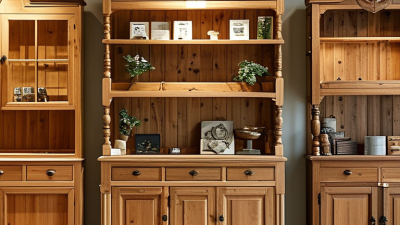
Freestanding cabinets offer flexible placement and often provide deeper storage. Barrister cabinets use stacked sections with individual glass doors, making small collections easier to organize. Ladder-style cabinets have open shelves and a lighter visual effect.

Console display cabinets combine decoration with useful surface space, such as an entryway table. Shadow-box cabinets are shallow and suit framed objects, medals, or small handmade pieces. Modular cube cabinets allow different layouts, but their joints may loosen after repeated moving.

In my experience, cabinet choice should begin with the objects, not the room style. Measure each item, including its base and handling space. Solid wood feels substantial, while engineered wood can resist warping more consistently in some interiors. Use soft lighting and avoid direct sunlight, which may fade wood and displayed materials.

I once underestimated shelf depth and created an awkward gap around a tall vase. That mistake still matters. A beautiful cabinet can fail when doors scrape, shelves sag, or dust gathers in hidden corners. Check hinges, finishes, ventilation, and load limits before purchase. Some details are easy to overlook.

Design and Functional Differences Among the Ten Types

What Are the Top 10 Types of Wooden Display Cabinets?

Wooden display cabinets differ in structure, visibility, and storage behavior. A freestanding glass-door cabinet suits dining rooms and protects ceramics from dust. A wall-mounted cabinet saves floor space and keeps small objects near eye level. Corner cabinets use awkward angles efficiently, although their narrow shelves can limit larger pieces. Built-in cabinets create a tailored appearance and often match surrounding woodwork. They look refined. However, installation requires accurate measurements.

Open-shelf cabinets provide quick access and stronger visual openness. They work well for books, pottery, and frequently handled items. Modular cabinets offer flexible sections, so users can rearrange shelves after moving home. A rotating cabinet improves access from several directions, making it useful in retail displays or compact rooms. Its mechanism needs careful alignment. Otherwise, the door may rub against the frame.

A tall, narrow cabinet adds vertical storage without occupying much floor area. It suits hallways, but heavy items should stay on lower shelves for stability. A low credenza-style cabinet combines display space with drawers, making it practical for tableware and documents. Ladder-style cabinets lean visually toward the wall and create a lighter, casual effect. In my experience, the most attractive cabinet is not always the most useful. Warm oak tones may highlight handmade objects, while darker wood can frame pale ceramics more clearly. Shelf depth, door clearance, ventilation, and weight capacity deserve equal attention. A few millimeters matter.

Materials, Construction Features, and Display Environments

What Are the Top 10 Types of Wooden Display Cabinets?

Materials, Construction Features, and Display Environments

The ten practical types include glass-door, open-shelf, wall-mounted, corner, modular, shadow-box, trophy, curio, buffet, and tall freestanding cabinets. Oak, ash, walnut, and plywood each behave differently. Solid wood offers warmth and strength, while quality plywood resists seasonal movement better. Veneered panels can look refined, but exposed edges need careful sealing. In humid rooms, stable panels and moisture-resistant finishes matter more than decorative grain.

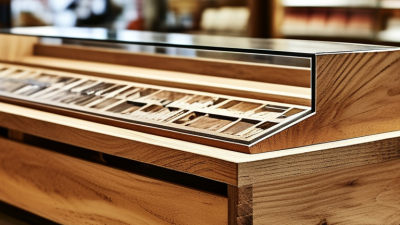
Construction decides daily performance. Look for mortise-and-tenon joints, reinforced corners, adjustable shelves, and smooth hinges. Glass-door cabinets suit dining rooms and galleries because they reduce dust. Open shelving works well in libraries, but it demands regular cleaning. Wall-mounted units save floor space; proper anchors are essential. Corner cabinets use awkward areas efficiently. Modular cabinets adapt to changing collections. Shadow-box designs protect small objects. Trophy and curio cabinets need clear sightlines and balanced lighting. Buffet cabinets suit dining spaces, while tall freestanding units create strong vertical storage.

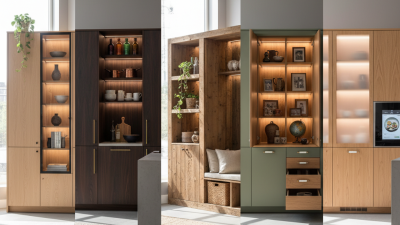
Display environments should guide every choice. A sunny room may fade wood and delicate objects, so filtered light helps. A narrow hallway favors shallow construction. Children’s areas need stable bases and shatter-resistant glazing. Heavy shelves still require load testing. I have seen attractive cabinets sag because spacing was judged by eye. That shortcut is costly. Even experienced installers can overlook wall irregularities. Measure twice. Leave ventilation behind enclosed units, especially near warm lighting. A slightly imperfect finish may be safer than a sealed cabinet that traps moisture.

What Are the Top 10 Types of Wooden Display Cabinets?

Materials, construction features, and display environments

The chart compares common wooden display cabinet formats using a generalized 1–5 suitability index. The ratings reflect typical visibility, protection, and space efficiency based on each cabinet’s materials, construction, and intended display environment. Solid wood and wood veneer are commonly paired with glass, engineered wood panels, drawers, locks, or wall-mounting systems to balance appearance and function.

How to Choose the Right Wooden Display Cabinet

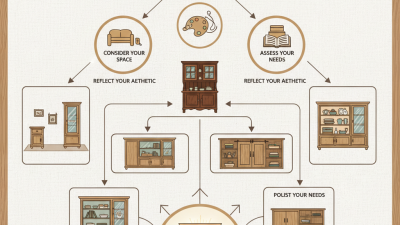
Choosing the right wooden display cabinet depends on your room, collection, and daily habits. The ten popular types include curio, glass-front, bookcase, corner, wall-mounted, ladder, modular, console, cube, and buffet cabinets. Each style solves a different problem. A corner cabinet uses forgotten space, while a wall-mounted design keeps the floor clear. A glass-front cabinet suits delicate ceramics, books, or collected objects that need protection from dust.

I once selected a tall cabinet because it looked impressive in a showroom. It later felt too heavy in a narrow room. That mistake taught me to measure twice, including door clearance and walking space. Check the shelf depth, weight capacity, wood stability, and joint quality. Solid wood offers strength, but engineered wood can provide consistent sizing and better value. Look for smooth door movement, secure hinges, and a finish that matches your room’s light. Dark wood may appear elegant, yet it can make a small space feel smaller.

Tips: Measure the wall first. Leave room for opening doors. Place fragile pieces on lower shelves when possible. Ask how the cabinet was finished and whether the shelves are adjustable. Do not ignore ventilation around enclosed displays. A cabinet can be beautiful and still be inconvenient. Test the handles, inspect the back panel, and imagine cleaning every corner before choosing.

What Are the Top 10 Types of Wooden Display Cabinets? — How to Choose the Right Wooden Display Cabinet

No. Wooden Display Cabinet Type Typical Structure Common Size Range Best For Main Advantages How to Choose
1 Freestanding Glass-Front Cabinet Upright wooden frame with glass doors and adjustable shelves. W 60–100 × D 35–45 × H 160–210 cm Collectibles, tableware, books, ceramics, and decorative objects. Offers generous vertical storage while protecting contents from dust. Choose adjustable shelves, tempered glass, and a stable anti-tip design for tall units.
2 Wall-Mounted Display Cabinet Shallow wooden cabinet fixed directly to a wall, usually with glass doors. W 60–120 × D 20–35 × H 40–90 cm Small collections, dining-room displays, kitchens, and compact rooms. Uses vertical wall space and keeps the floor area open. Check wall strength, mounting hardware, cabinet weight, and the maximum load of each shelf.
3 Corner Display Cabinet Triangular or angled rear profile designed to fit into a room corner. W 45–80 × D 45–65 × H 150–200 cm Unused corners, dining rooms, living rooms, and narrow layouts. Maximizes otherwise difficult-to-use space with a compact footprint. Measure both adjoining walls and confirm door swing clearance before purchasing.
4 Low Credenza Display Cabinet Wide, low cabinet with drawers, cupboards, open niches, or glass-front sections. W 120–220 × D 40–50 × H 70–100 cm Dining rooms, living rooms, media areas, and serving spaces. Provides a broad display surface plus concealed storage at a comfortable height. Select a depth that preserves walking space and verify that the top can support intended items.
5 Curio Cabinet Usually a narrow, glass-enclosed cabinet with multiple shelves and a decorative frame. W 45–80 × D 30–45 × H 150–200 cm Small ornaments, figurines, glassware, antiques, and memorabilia. Creates a focused presentation and gives excellent visibility from several angles. Look for UV-filtering glass when displaying objects sensitive to prolonged light exposure.
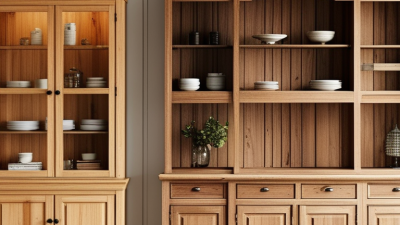
6 Open-Shelf Display Bookcase Wooden vertical or horizontal shelving without doors, sometimes with a solid back panel. W 60–120 × D 25–40 × H 150–220 cm Books, plants, framed photographs, baskets, and frequently accessed objects. Provides quick access and an airy appearance without glass maintenance. Prioritize shelf thickness, center supports, and adjustable shelving to reduce sagging under heavy loads.
7 Glass Display Tower Slender, tall cabinet with glass panels on the front or several sides. W 35–65 × D 30–45 × H 170–230 cm Premium collectibles, awards, models, jewelry, and limited floor areas. Uses minimal floor space and draws attention upward toward featured items. Choose a weighted base, door locks where needed, and internal lighting with low heat output.
8 Wall-Hung Shadow Box Cabinet Shallow framed cabinet with a glass door or front panel for curated objects. W 40–100 × D 10–25 × H 40–100 cm Artwork, medals, photographs, keepsakes, and small three-dimensional displays. Protects treasured items while functioning as wall décor. Confirm interior depth, mounting orientation, and whether the glass opens safely for rearrangement.
9 Console Display Cabinet Medium-height cabinet combining a display compartment with doors, drawers, or open shelving. W 90–180 × D 30–45 × H 75–110 cm Entryways, hallways, living rooms, and dining-room walls. Balances display space, storage, and a practical surface for lamps or accessories. Measure corridor width and door clearance, and select a finish that matches nearby furniture.
10 Rotating Display Cabinet Vertical wooden cabinet mounted on a rotating base, often with glass sides or doors. W 45–75 × D 45–75 × H 150–210 cm Retail-style home displays, model collections, crafts, and objects viewed from multiple sides. Allows several viewing angles while keeping the footprint relatively compact. Check the rotation mechanism, base stability, clearance from walls, and total loaded weight.