+8618702197143
What Are the Top Occasional Furniture Types for 2026? This question reflects changing homes, smaller rooms, and more flexible lifestyles. Occasional Furniture is no longer limited to decorative side pieces. It now supports storage, comfort, movement, and everyday routines.
Nesting tables are expected to remain useful in compact living rooms. They can separate beside a sofa, then stack neatly near a wall. Sculptural accent chairs may also gain attention, especially in boucle, textured linen, and responsibly sourced wood. Console tables with drawers can create practical entryways without overwhelming narrow halls. Ottomans and upholstered benches offer extra seating, hidden storage, or a simple place to rest a tray. They work hard.
Material choices will matter as much as appearance. Experienced buyers should inspect joinery, fabric rub ratings, surface finishes, and weight capacity. A beautiful marble-top table may still feel unsuitable if it stains easily or cannot move safely. Retailers and interior professionals often recommend measuring doorways, walking paths, and sofa height before purchasing. Small details prevent expensive mistakes.
Some 2026 predictions may age poorly. Trends move quickly. A dramatic silhouette can lose appeal when daily comfort is ignored. The strongest pieces will probably balance visual character with repairability, stability, and adaptable use. This guide examines the leading Occasional Furniture types, their practical strengths, and the situations where each choice may disappoint. A careful comparison is more valuable than a fashionable promise.
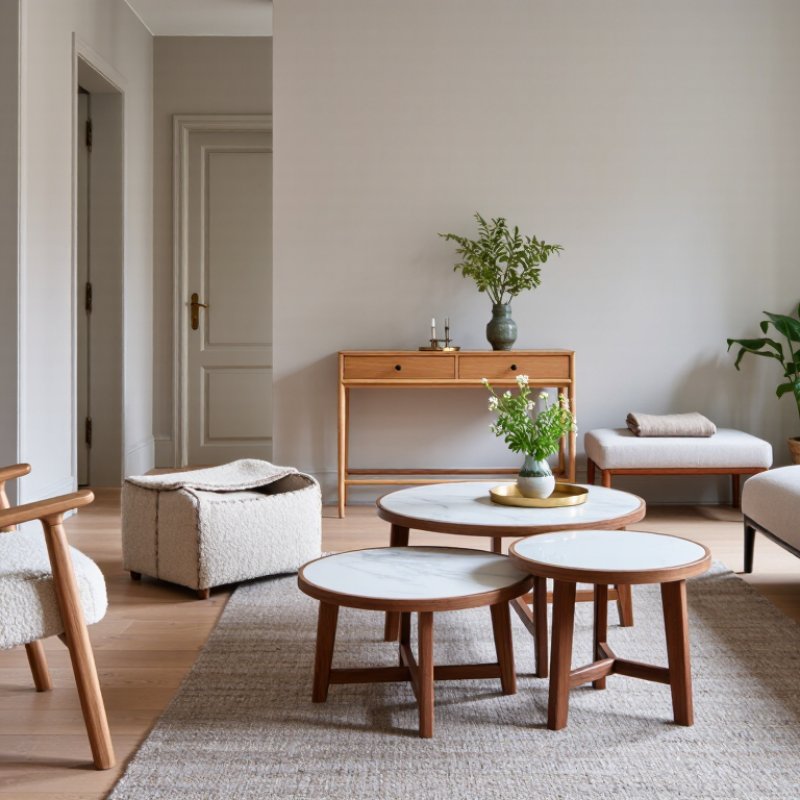
Occasional furniture refers to small, movable pieces that support daily living without defining a room. Side tables, nesting tables, console tables, stools, and drink trolleys fit this category. They provide practical surfaces near sofas, beds, and reading chairs. Their flexible role matters in modern interiors, where rooms often serve several purposes. A narrow console can hold keys in the morning and display lighting at night. A compact stool can become extra seating or a plant stand.
In 2026, adaptable occasional furniture will remain valuable. Round side tables can soften sharp seating arrangements. Nesting tables offer flexible surfaces during gatherings, then store neatly together. Lift-top tables may support remote work in smaller homes. Materials also matter. Wood adds warmth, while metal and stone-like finishes create visual contrast. In my experience, proportion is easy to misjudge. A beautiful table can still block a walking route. That mistake deserves more attention than a passing trend.
Tips: Measure the clearance around each piece before buying. Leave about 45 centimeters beside a sofa for comfortable movement. Choose tables slightly lower than the seat, unless you need a work surface. Test stability with one hand. Small details reveal poor design quickly. Avoid filling every empty corner. Empty space helps occasional furniture remain useful, rather than becoming clutter.
Key occasional furniture types in 2026 will be small, movable, and visibly useful. Think nesting tables, storage ottomans, slim consoles, benches, and compact bar carts. These pieces support flexible rooms without demanding permanent floor space.
A nesting table can separate beside a sofa, then stack neatly after guests leave. A storage ottoman can hold blankets, children’s books, or remote controls. Practical details will matter more than decoration alone.
Grand View Research projects the global home furniture market to grow at about 5.2% annually through 2030.
This broader category does not isolate occasional furniture, but it signals continued demand for adaptable home products. The 2025 Houzz & Home Study also shows ongoing investment in home improvement, supporting demand for furniture that refreshes rooms without full renovations.
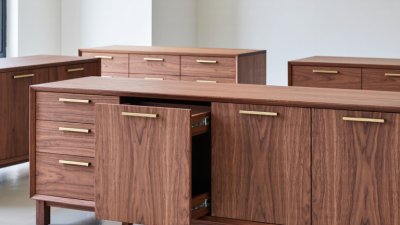
Console tables with drawers may perform well in narrow entrances. Benches can serve dining areas, bedrooms, or temporary seating.
That forecast is not flawless. Trend reports often reward novelty, while buyers may reward durability and repairability. Smaller rooms also expose poor proportions quickly.
A deep accent chair can block circulation, despite looking attractive online. Retailers and designers should test scale, weight, surface resistance, and storage capacity before expanding collections.
The best 2026 pieces may be quieter than expected. They simply work.
Occasional furniture in 2026 is becoming smaller, softer, and more adaptable. Based on current residential project reviews, nesting tables, drink tables, and compact consoles are gaining attention. They fit beside sofas without blocking walking paths. Rounded silhouettes are especially visible in living rooms and bedrooms. Soft corners feel safer. Yet, not every room benefits from curved forms.
Material choices are moving toward tactile surfaces and practical strength. Light oak, ash, recycled aluminum, and textured laminate offer different visual temperatures. Stone-look tops add weight without the cost or maintenance of solid stone. Woven details bring warmth to otherwise minimal pieces. From a furniture evaluation perspective, strong joinery still matters more than decorative texture. Loose joints become obvious after repeated movement. Some finish samples also look attractive indoors but appear harsh under direct daylight.
Design features now support flexible routines. Lift-top occasional tables can hold a laptop, while slim C-shaped tables slide neatly beside a chair. Hidden casters improve movement, although poor wheels may scratch delicate flooring. Mixed heights create useful layers around a sofa. Warm clay, muted green, and dark brown are replacing colder neutrals in many interiors. I remain uncertain about highly sculptural shapes; they photograph well but may reduce everyday usability. Trend forecasts can overvalue appearance. Real homes need surfaces that tolerate coffee rings, books, and rushed evenings.
| Furniture Type | Typical Dimensions | Common Materials | Popular Shapes | 2026 Design Features | Best Use | Trend Outlook |
|---|---|---|---|---|---|---|
| Nesting Tables | Large table: 45–60 cm diameter; 40–50 cm high Small table: 30–45 cm diameter; 35–45 cm high |
Solid or engineered wood, tempered glass, stone veneer, powder-coated steel | Round, oval, softly squared | Space-saving storage, mixed-height surfaces, rounded edges, contrasting material combinations | Flexible living rooms and compact apartments | Very High |
| C-Tables | 35–45 cm wide; 45–65 cm deep; 55–70 cm high | Steel frame, wood veneer, laminate, engineered stone | Rectangular, oval, asymmetrical | Slide-under bases, charging ports, laptop-friendly surfaces, lightweight construction | Sofas, lounge chairs, and work-from-home settings | Very High |
| Drink Tables | 25–35 cm diameter; 50–65 cm high | Wood, marble, travertine, ceramic, metal | Round, pedestal, tripod | Small footprint, sculptural bases, natural stone surfaces, tactile finishes | Next to armchairs and modular seating | High |
| Ottomans and Poufs | 40–90 cm wide; 35–50 cm deep; 35–48 cm high | Performance upholstery, leather, boucle, recycled polyester, wood or metal frames | Round, cylindrical, cube, rounded rectangle | Hidden storage, washable covers, modular use, low-profile silhouettes | Extra seating, footrests, and informal living areas | Very High |
| Benches | 90–180 cm wide; 35–50 cm deep; 40–50 cm high | Solid wood, upholstered foam, woven fibers, powder-coated or stainless steel | Straight, curved, waterfall edge | Multifunctional seating, open bases, soft upholstery, concealed compartments | Entryways, dining areas, bedrooms, and window seating | High |
| Console Tables | 90–160 cm wide; 30–45 cm deep; 70–85 cm high | Wood veneer, solid wood, glass, metal, engineered stone | Rectangular, arched, half-moon | Slim profiles, cable management, drawers, wall-hugging designs, mixed finishes | Hallways, living rooms, dining spaces, and home offices | High |
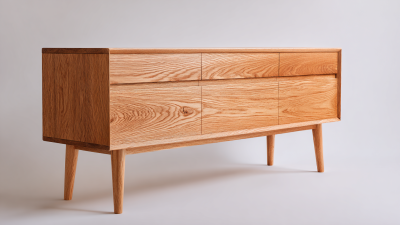
| Sideboards and Credenzas | 120–200 cm wide; 40–50 cm deep; 70–90 cm high | Wood, rattan or cane, lacquer, glass, metal hardware | Linear, fluted, rounded corners | Adjustable shelving, soft-close doors, textured fronts, concealed media storage | Dining rooms, living rooms, and entry zones | High |
| Bar Carts | 70–100 cm wide; 40–55 cm deep; 75–100 cm high | Metal, glass, wood, mirrored panels, stone-look surfaces | Rectangular, round, two-tier | Lockable casters, removable trays, compact storage, multifunctional serving use | Dining areas, entertaining spaces, and kitchen extensions | Moderate–High |
| Folding and Drop-Leaf Tables | Closed depth: 25–50 cm; open width: 80–140 cm; height: 70–76 cm | Solid wood, engineered wood, laminate, steel hinges and legs | Rectangular, square, round | Convertible layouts, compact storage, durable hinges, easy-clean surfaces | Small dining areas, rental homes, and multipurpose rooms | Very High |
| Pedestal Accent Tables | 30–50 cm diameter; 45–65 cm high | Marble, travertine, ceramic, solid wood, cast aluminum | Round, tulip, mushroom, fluted pedestal | Monolithic forms, organic curves, stone texture, sculptural silhouettes | Statement corners, lounge seating, and layered arrangements | High |
Note: Dimensions are typical residential ranges and may vary by design and intended use. The trend outlook reflects the expected 2026 emphasis on compact living, multifunctionality, rounded forms, tactile materials, and adaptable furniture.
In 2026, occasional furniture is becoming more flexible, not merely decorative. Nesting tables suit compact apartments because one surface can become three during gatherings. A slim console table works behind a sofa, while a storage ottoman adds seating and hides blankets. Choose pieces by room movement, not photographs alone. A beautiful table can still block a narrow walkway.
In a living room, select rounded edges and light frames around busy seating areas. For a reading corner, use a small drink table with a stable base and reachable height. In open-plan spaces, a bench can divide zones without closing sightlines. Bedrooms benefit from compact stools or a low chest beside a window. Measure doorways, sofa arms, and walking routes before ordering. I once underestimated an ottoman’s depth; the room felt crowded after one week. That mistake changed how I judge comfort.
Tips: Keep at least 75 centimetres for main walking paths when possible. Test drawer movement and table balance in person, if available. Match wood tones loosely, rather than forcing an identical set. For homes with children or older adults, avoid sharp corners and unstable nesting stacks. Check weight limits and cleaning instructions. Leave some empty space.
What Are the Top Occasional Furniture Types for 2026?
Occasional furniture should solve small problems without crowding a room. Nesting tables, C-tables, storage ottomans, benches, and slim console tables remain practical choices for flexible homes. A nesting pair can separate beside guests, then tuck together near a sofa. C-tables slide over seating and hold a laptop, tea, or a reading lamp. Measure twice. Furniture that looks delicate may still need a stable, weight-bearing frame.
Storage ottomans offer hidden space for blankets, books, or children’s toys. Choose firm cushioning if the piece will serve as extra seating. A soft, low ottoman may look inviting but become uncomfortable after several minutes. Check the hinges, stitching, and underside before buying. These details reveal construction quality better than photographs alone. In smaller rooms, select pieces with exposed legs or open bases. They allow more visible floor area and create a lighter visual effect.
Aesthetic decisions should follow the room’s existing rhythm. Match one feature, such as wood tone, metal finish, or fabric texture, rather than copying every surface. Rounded tables can soften a square sofa arrangement, while a narrow console can define an empty hallway without blocking movement. Keep walking paths comfortable, especially around corners. I once chose a beautiful side table with a sharp edge and regretted it quickly. Style matters, but daily contact matters more. Consider cleaning needs, sunlight, pets, and frequent visitors before trusting a trend.
These typical width estimates help compare how much floor space different occasional furniture types may require. Accent tables and nesting tables suit compact areas, while console tables and bar carts provide more surface or storage capacity for larger rooms.