Best Family Room Furniture Ideas for 2026 What to Choose?
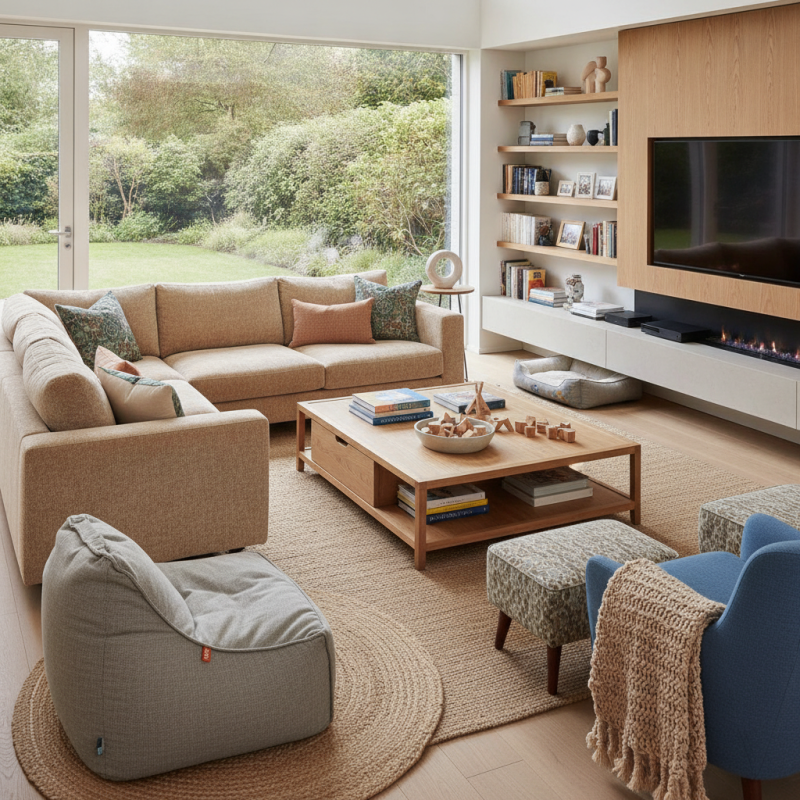
As we approach 2026, the design principles for Family Room Furniture are evolving. This space is no longer just a gathering area; it’s a multifunctional hub. Our choices in furniture can greatly influence comfort, style, and functionality.
When selecting Family Room Furniture, consider the balance between aesthetic appeal and practical use. Sofas should be cozy yet stylish. Coffee tables must complement the décor while providing utility. Accessories like cushions and throws add warmth.
However, trends can be challenging to navigate. Consider your family's unique needs, such as durability for kids and pets. Not every style fits every family. Reflect on your space before making choices. Prioritize a layout that fosters togetherness yet allows for individual comfort.
Best Colors for Family Room Furniture in 2026
In 2026, colors will play a crucial role in designing family room furniture. Soft, muted tones will rise in popularity. Earthy colors like terracotta and sage green are expected to create a calming atmosphere. These shades encourage relaxation and comfort, perfect for family gatherings.
Bold colors will also make a statement. Jewel tones, such as deep blues and emerald greens, will add richness. These colors can energize a space, making it more inviting. However, using them in moderation is important to avoid overwhelming the room. A single bold piece can serve as an eye-catching focal point.
Patterns will evolve, too. Textures like boucle and velvet will complement these colors nicely. Mixing different patterns can add depth but should be done thoughtfully. The challenge is to balance vibrancy with harmony. Reflecting on how colors influence emotions is essential. Selecting the right palette becomes a means of personal expression and connection.
Sustainable Materials for Eco-Friendly Family Room Furniture
When considering furniture for a family room, opting for sustainable materials is increasingly essential. Choosing pieces made of reclaimed wood or bamboo not only reduces waste but also adds character to the space. These materials age beautifully and bring warmth. However, they may require more maintenance than synthetic options.
Eco-friendly upholstery is another critical component. Fabrics made from organic cotton or recycled polyester are both breathable and durable. It’s important to check certifications to ensure these materials are truly eco-friendly. While they may seem more expensive up front, they can save you money in the long run by lasting longer.
You might also explore furniture made from metal or glass. These materials are infinitely recyclable and can create a modern look. Consider second-hand pieces too; they often carry unique stories. Yet, be cautious about their condition. Some items may need repairs, which can be time-consuming. Each choice reflects your values and contributes to a healthier planet.
Best Family Room Furniture Ideas for 2026 What to Choose? - Sustainable Materials for Eco-Friendly Family Room Furniture
| Furniture Type |
Material |
Sustainability Rating |
Price Range |
Design Style |
| Sofa |
Recycled Fabric |
A+ |
$800 - $1500 |
Modern |
| Coffee Table |
Bamboo |
A |
$300 - $600 |
Scandinavian |
| Armchair |
Organic Cotton |
A+ |
$400 - $800 |
Contemporary |
| Entertainment Center |
Reclaimed Wood |
A |
$600 - $1200 |
Rustic |
| Bookshelf |
FSC-Certified Wood |
B+ |
$200 - $400 |
Industrial |
Innovative Storage Solutions for Modern Family Rooms
When designing a modern family room, innovative storage solutions are essential. One popular idea is multi-functional furniture. A coffee table with hidden compartments combines style with practicality. It can store books, toys, and even blankets. Consider couches with built-in drawers for extra cushions or games. These pieces do double duty while keeping the space tidy.
Vertical storage is another trend to explore. Floating shelves can display photos and plants without taking up floor space. This gives the room an airy feel. A well-placed storage bench along the wall can serve as extra seating while providing ample space for items like shoes or seasonal decor. These ideas not only maximize function but also enhance the room's aesthetic.
However, not every solution suits every family. Some designs may not align with specific tastes or space constraints. Customizing storage to fit personal styles may lead to better satisfaction. Reflecting on these aspects can help homeowners choose wisely. Embracing imperfection in storage plans can lead to unique, personalized spaces that resonate with family life.
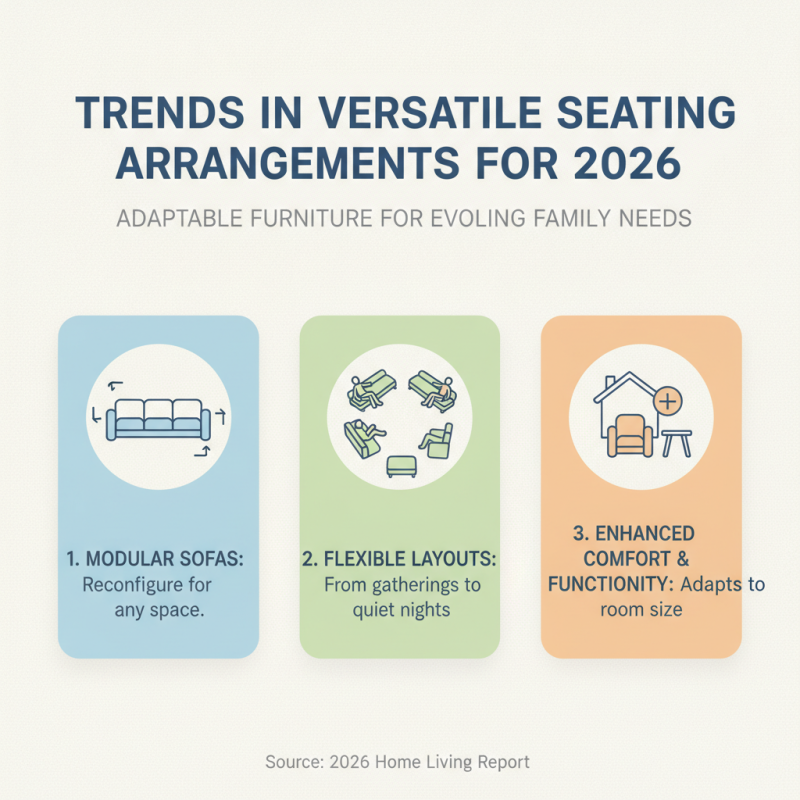
Trends in Versatile Seating Arrangements for 2026
As families evolve, so do their furniture needs. In 2026, versatility in seating is key. Flexible arrangements enhance comfort and functionality. Consider modular sofas. These can adapt to various room sizes and layouts. You can easily reconfigure them for gatherings or quiet evenings.
Tips: Opt for multi-functional pieces. A sofa bed can serve two purposes. It's perfect for both lounging and hosting guests. Poufs and ottomans can provide extra seating and act as footrests. These movable options keep the space dynamic and inviting.
Balancing style with practicality is important. Light, neutral colors can make a family room feel spacious. However, darker shades add warmth. Mixing textures like leather and fabric can elevate the look. Reflect on your family’s routine. This will guide your choices in seating arrangements, ensuring everyone feels accommodated.
Incorporating Technology into Family Room Furniture Design
In today’s fast-paced world, technology is changing how we interact with our living spaces. Family rooms are no exception. By integrating smart technology into furniture design, we can improve comfort and functionality. Imagine a sofa that can adjust its position with a simple voice command. Such innovations offer convenience while also promoting a cozy atmosphere.
Light control is another area where technology shines. Smart lamps can change brightness depending on the time of day or even the mood. Parents often struggle to find the right balance of light for kids' activities. A dimmable option could enhance movie nights or bedtime reading, creating the perfect setting. It’s essential to consider how technology fits into daily family life, reflecting our needs more than trends.
Functionality should be a primary focus. Multi-use furniture, like coffee tables with built-in charging ports, are practical choices. They minimize clutter and enhance the family experience. However, we should reflect on whether these advancements sometimes complicate simple interactions. Staying updated on trends can help find a balance between tech and comfort in our family rooms.


 +8618702197143