Solid Wood Furniture Best Options for Global Buyers?
In today's global marketplace, "Solid Wood Furniture" is gaining significant attention from buyers seeking quality and sustainability. Expert craftsmen like John Anderson, a well-known figure in the furniture industry, emphasize, "Selecting solid wood pieces not only enhances aesthetics but also ensures durability." This statement reflects the growing awareness among consumers regarding long-lasting investments.
Solid wood furniture appeals to those desiring unique character in their homes. Each piece tells a story through its grain and finish. However, with various options available, global buyers may find it challenging to identify the best products. Many importers strive for high-quality wood but often overlook the importance of sourcing sustainably harvested materials.
The desire for eco-friendly choices is evident as more people seek responsibly sourced solid wood. Yet, navigating through certifications can be confusing. Not every label guarantees sustainability, and buyers should research manufacturers. A well-informed decision ensures responsible consumption and supports the environment. Solid wood furniture can transform a space, but knowledge is key to making the right choice.
Understanding Solid Wood Furniture: Types and Features
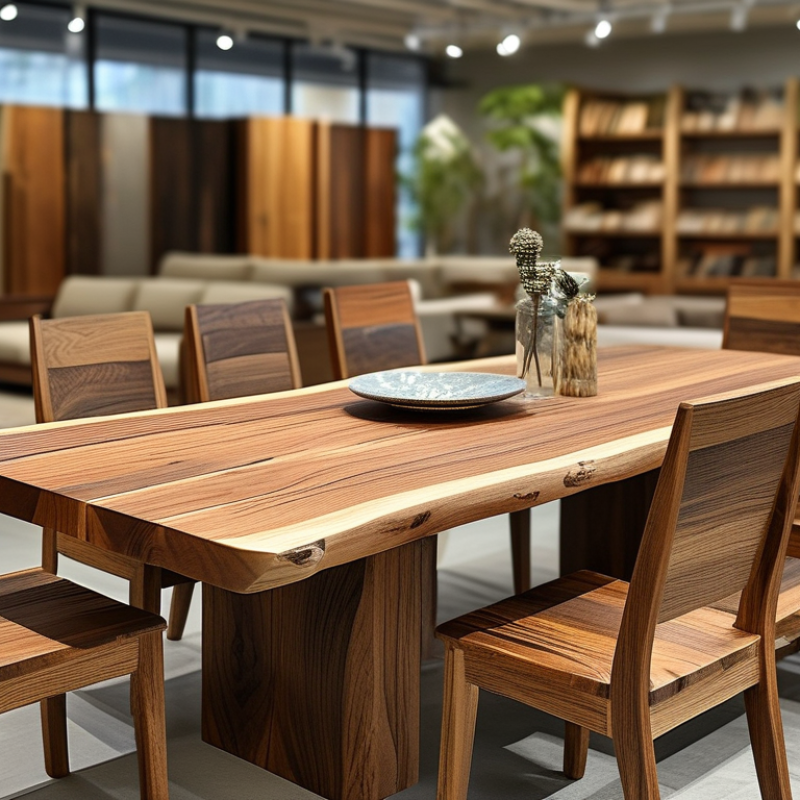
Solid wood furniture is a popular choice among global buyers. It offers durability and aesthetic appeal. Different types of solid wood, such as oak, walnut, and maple, each present unique features.
Oak is known for its strength and resistance to wear, making it ideal for families. Walnut, with its rich color and grain patterns, adds luxury. Maple is often preferred for its smooth texture and versatility.
A study by the American Furniture Manufacturers Association indicates that solid wood furniture has increased in demand by 20% over the past five years. Buyers appreciate the sustainability aspect, as many manufacturers emphasize responsible sourcing. Despite this, there are challenges. Solid wood can be affected by moisture and temperature changes, leading to warping or cracking.
Moreover, not all solid wood is created equal. Some pieces are made from composite materials but labeled as solid wood. This can mislead consumers. Buyers should examine product details and certifications to ensure authenticity. Investing in solid wood pieces can be worthwhile, but understanding the types and features remains essential.
Factors Influencing Global Demand for Solid Wood Furniture
The global demand for solid wood furniture is influenced by several key factors. One significant element is environmental sustainability. Many consumers prioritize eco-friendly products. According to a 2022 industry report, about 75% of buyers consider sustainable sourcing essential. This preference pushes manufacturers to adopt responsible forestry practices.
Another important factor is the durability and longevity of solid wood furniture. Unlike cheaper materials, solid wood can last decades. A study found that solid wood products often have a 30% longer lifespan than particleboard alternatives. This reliability appeals to discerning customers who seek value in their purchases.
Additionally, cultural influences shape demand. Different regions have unique preferences for wood types and styles. For example, Scandinavian designs emphasize simplicity and functionality. In contrast, Asian markets often favor intricate detailing. Brands must adapt to these cultural nuances to succeed globally. Adapting to local tastes can be challenging but is crucial for market penetration.
Solid Wood Furniture Global Demand Factors
Top Solid Wood Furniture Brands for International Buyers
When exploring solid wood furniture options, buyers have a wealth of brands to consider. Many brands prioritize quality craftsmanship and sustainable sourcing, essential factors for discerning consumers. Solid wood pieces, often made from oak, maple, or walnut, offer durability and timeless appeal.
Some brands have established themselves as leaders in the global market. They focus on innovative designs while maintaining a commitment to ethical practices. Their furniture often features unique grains and finishes that enhance the natural beauty of wood. However, not every piece meets the high standards expected. It's crucial for buyers to read reviews and understand the material origins.
Additionally, some brands may have inconsistent quality across different product lines. Variability can arise from batch production or differences in craftsmanship. Buyers should seek out detailed product descriptions and inquire about materials used. Researching will help ensure that the chosen solid wood furniture embodies both aesthetic appeal and long-lasting value.
Sourcing Solid Wood Furniture: Best Markets and Trade Practices
Sourcing solid wood furniture requires a keen understanding of the markets. Buyers should explore regions known for quality timber. Countries like Indonesia, Malaysia, and Brazil are renowned for their craftsmanship. These areas boast skilled artisans who create aesthetically pleasing and durable pieces. Understanding local sourcing practices can greatly enhance the purchasing experience.
However, navigating these markets isn't without challenges. Import regulations can vary greatly among countries. Buyers must ensure compliance to avoid penalties. It's essential to establish strong relationships with suppliers. Trustworthiness can sometimes be hard to gauge, and not every deal is transparent. Conducting thorough research is vital when selecting a vendor.
Trade shows present excellent opportunities to connect with manufacturers. These events allow buyers to assess quality firsthand. Still, they can be overwhelming for newcomers. Many people overlook the importance of cultural nuances in negotiations. Training in local etiquette can facilitate smoother transactions and build respect among partners.
Sustainability in Solid Wood Furniture: Trends and Considerations
Sustainability in solid wood furniture is becoming increasingly significant. Many buyers now prefer eco-friendly options. Sustainable practices not only preserve nature but also contribute to healthier living environments. There are specific trends that are shaping this space. Reclaimed wood is gaining popularity. It offers unique aesthetics while reducing waste. Moreover, sourcing wood from responsibly managed forests is crucial. Certifications like FSC are essential indicators for buyers.
Tips: When looking for sustainable wood furniture, consider the material's origin. Ask about the treatments used, as harmful chemicals can off-gas. Pay attention to the life cycle of the product. Longer-lasting pieces often come with less environmental impact.
As more consumers become eco-conscious, the demand for sustainably sourced furniture grows. However, quality must not be sacrificed for sustainability. Not all brands offer both. Sometimes, options labeled as "eco-friendly" are misleading. Research and verify claims before purchasing. Engaging with local artisans can also lead to unique, sustainable finds. They often utilize local materials, reducing the carbon footprint associated with transportation.
Solid Wood Furniture Best Options for Global Buyers? - Sustainability in Solid Wood Furniture: Trends and Considerations
| Furniture Type |
Sustainability Score (Out of 10) |
Certification |
Source of Wood |
Average Price (USD) |
| Solid Oak Dining Table |
9 |
FSC Certified |
North America |
1500 |
| Teak Coffee Table |
8 |
FSC Certified |
Southeast Asia |
800 |
| Walnut Bookshelf |
7 |
EUTR Compliant |
North America |
1000 |
| Cherry Side Tables |
6 |
PEFC Certified |
North America |
600 |
| Reclaimed Wood Dining Set |
10 |
No Certification |
Various Sources |
1200 |


 +8618702197143