Best Wooden Tables for Restaurants What to Consider?
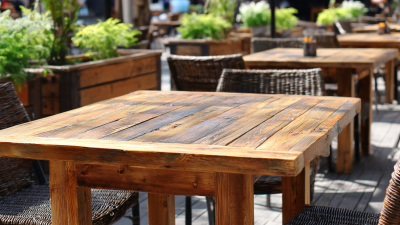
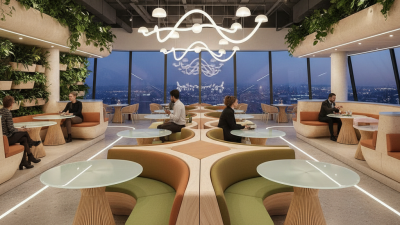
In the world of dining, ambiance plays a crucial role, and wooden tables for restaurants are at the heart of this experience. Expert designer Emily Clarke once stated, "Wooden tables create warmth and invite conversation." This sentiment resonates deeply in the restaurant industry, where every detail matters.
Choosing the right wooden tables for restaurants requires careful thought. Consider the wood type, finish, and design. Each aspect contributes to the overall atmosphere. Rustic oak offers charm, while sleek walnut brings sophistication. Balance is essential; tables must be both functional and aesthetically pleasing.
It's not just about choosing the best table. Reflect on how tables fit within the restaurant's theme. Mismatched styles can weaken the design's impact. The quality of craftsmanship also warrants attention. Poorly made tables can wear out quickly, leading to costly replacements. Ultimately, selecting wooden tables for restaurants is an art that blends practicality and creativity.
Factors to Consider When Choosing Wooden Tables for Restaurants
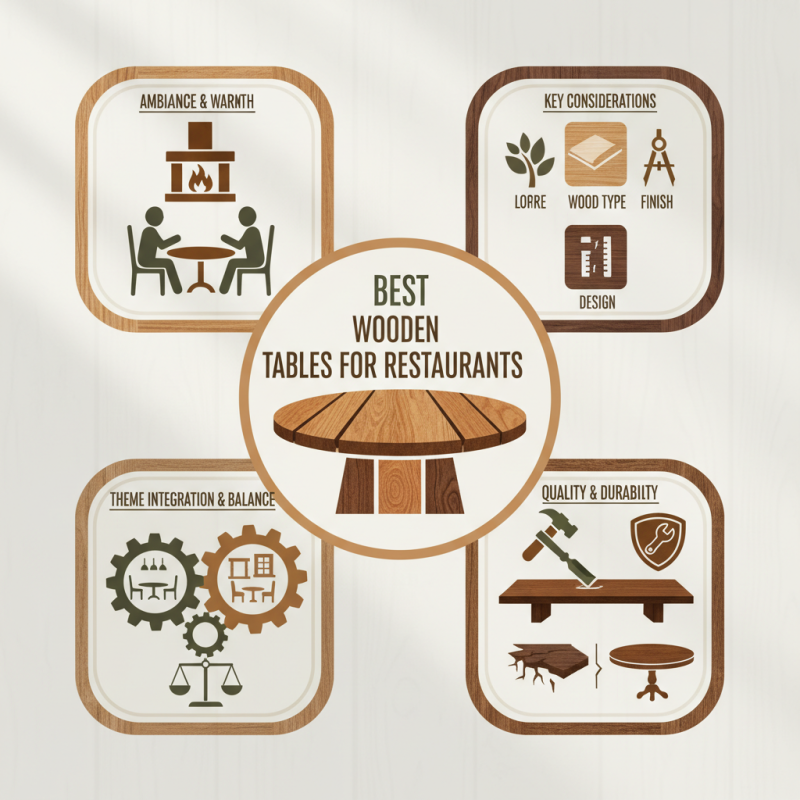
When choosing wooden tables for restaurants, several factors are crucial. The style of the restaurant influences the choice of tables. Rustic, modern, or classic designs can create a specific atmosphere. Consider how the table complements your overall decor. A mismatched table might not fit the restaurant's theme, leading to a disjointed look.
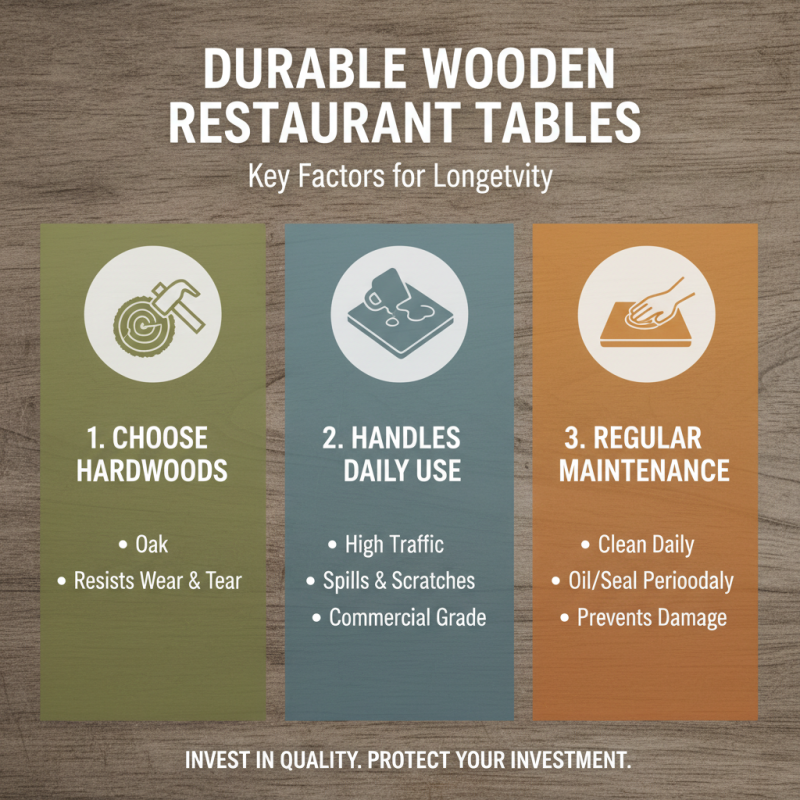
Durability is also essential. Wooden tables should withstand heavy use and frequent cleaning. Look for materials that resist scratches and water damage. A table that chips easily might need premature replacement, costing more in the long run. Some woods are more resilient, but they may not blend with the desired aesthetic. This requires careful thought.
Size matters significantly. Ensure the tables provide enough space for diners without feeling cramped. A table that's too large can dominate a small area. On the other hand, tiny tables may limit dining flexibility. Striking a balance between size and comfort is often an area for reflection. The right choice can enhance customer experience, while the wrong one can deter repeat visits.
Best Wooden Tables for Restaurants: What to Consider?
| Table Type |
Material Quality |
Size Dimensions |
Style |
Price Range |
| Rectangular Table |
Solid Oak |
60" x 30" |
Modern |
$300 - $500 |
| Round Table |
Reclaimed Wood |
48" Diameter |
Rustic |
$250 - $450 |
| Square Table |
Mahogany |
36" x 36" |
Contemporary |
$200 - $400 |
| Bar Table |
Pine Wood |
48" Height |
Industrial |
$180 - $350 |
| Extendable Table |
Teak |
60" to 84" |
Classic |
$700 - $1200 |
Types of Wood Best Suited for Restaurant Furniture
When choosing wooden tables for restaurants, the type of wood matters greatly. Some woods are more durable and aesthetically pleasing than others. For instance, hardwoods like oak and maple are popular choices. They provide strength and longevity, essential for high-traffic areas. Softwoods like pine may offer a rustic charm but lack durability.
Tips for selecting wood: Consider your restaurant's theme. A sleek modern design pairs well with light-colored woods. A cozy, traditional setting benefits from darker woods. Do not overlook the maintenance requirements either. Some woods need regular sealing to maintain their appearance.
Another crucial factor is the table finish. A clear coat can enhance the wood’s natural beauty, while stains can offer a different vibe. Remember, every scratch will tell a story. Embrace imperfections; they add character to the tables. Signing off on wood quality is vital. Choose responsibly sourced materials to resonate with eco-conscious customers.
Design and Aesthetic Considerations for Wooden Tables
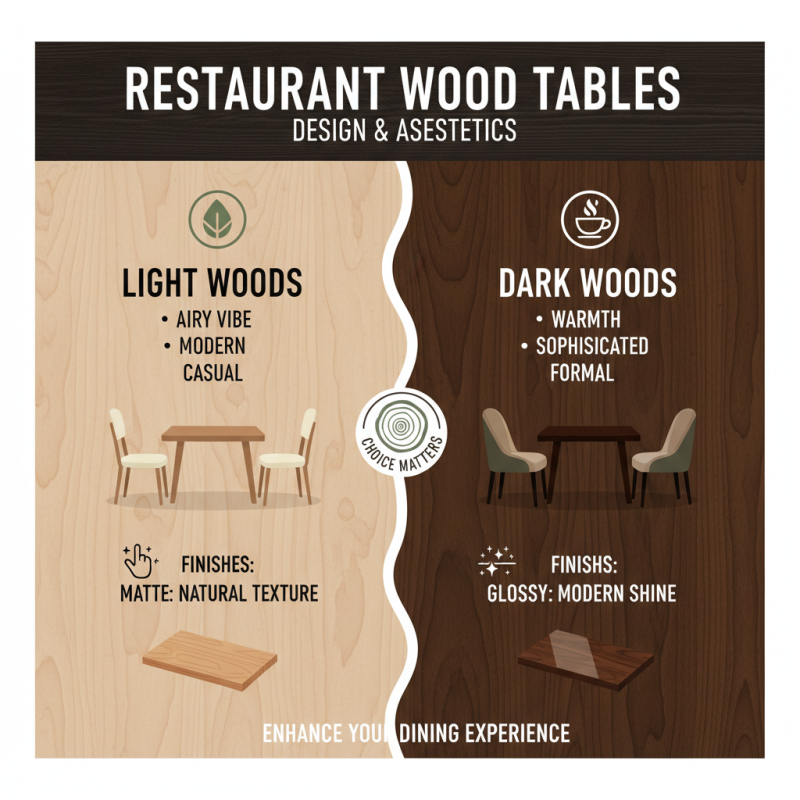
When choosing wooden tables for restaurants, design and aesthetics play a crucial role. The wood type can dramatically impact the dining atmosphere. Light woods create an airy vibe. Dark woods bring warmth and sophistication. You should consider how different finishes enhance the natural grain of the wood. A matte finish reveals texture, while glossy finishes offer a modern look. Each option has its charm.
Consider the shape of your tables carefully. Round tables promote conversation, while square or rectangular ones fit compact spaces better. Large tables can overwhelm tiny rooms. Balance is vital. Pay attention to the table height as well. Standard dining heights work for most, but lower tables can create a casual feel. Adjustable-height options may add versatility to your layout.
Tips to ponder: Ensure that tables are easy to clean. Stains and spills can create a sense of neglect. Choose durable woods that withstand daily wear. Also, think about your overall restaurant theme. Rustic tables pair well with farmhouse decor. Sleek, modern tables fit an industrial style.
Cost and Budgeting for Wooden Dining Furniture in Restaurants
When budgeting for wooden dining furniture, consider several key factors. The cost of wooden tables can vary widely. Choosing the right kind of wood affects the price. Hardwoods like oak and maple tend to be more expensive. Softer woods like pine may save money but are less durable. This is a crucial point to reflect on.
Think about the longevity of your furniture. Investing in quality tables may seem costly upfront. However, cheaper options could lead to higher replacement costs later. Balancing quality with budget is often tricky. Remember to factor in maintenance costs as well. Regular care can extend the lifespan of wooden tables.
Another consideration is the design and style of the tables. Unique designs may carry a higher price tag. Simple tables may fit better into a tight budget. It’s important to find a style that complements your restaurant’s theme. In the end, this blend of aesthetics and cost can define your dining space. Choose wisely and reflect on what truly meets your needs and limitations.


 +8618702197143