How to Choose the Perfect Side Table for Your Living Room Decor
Choosing the perfect side table for your living room decor is not just about style; it also involves understanding the functional and aesthetic roles these pieces play in home design. According to a report by the American Home Furnishings Alliance, 72% of consumers believe that side tables are essential for enhancing the overall look of their living rooms. In a space where comfort meets style, side tables offer both utility and a chance to express personal taste.
Expert designer Lisa Thompson emphasizes the significance of these versatile furniture pieces, stating, "A well-chosen side table can transform the ambiance of a room, bridging the gap between luxury and everyday functionality." With a myriad of design options available, from minimalist to ornate, selecting the right side table can elevate your decor while providing practical solutions for storage and surface area. It is crucial to consider factors such as size, material, and style alignment with existing furniture to ensure harmony in your living space.
In today's ever-evolving interior design landscape, side tables have become a focal point that reflects individual style and enhances usability. As we delve into the various aspects of side table selection, we aim to guide homeowners in making informed choices that marry beauty with function, creating a cohesive and inviting living environment.
Understanding the Role of a Side Table in Living Room Decor
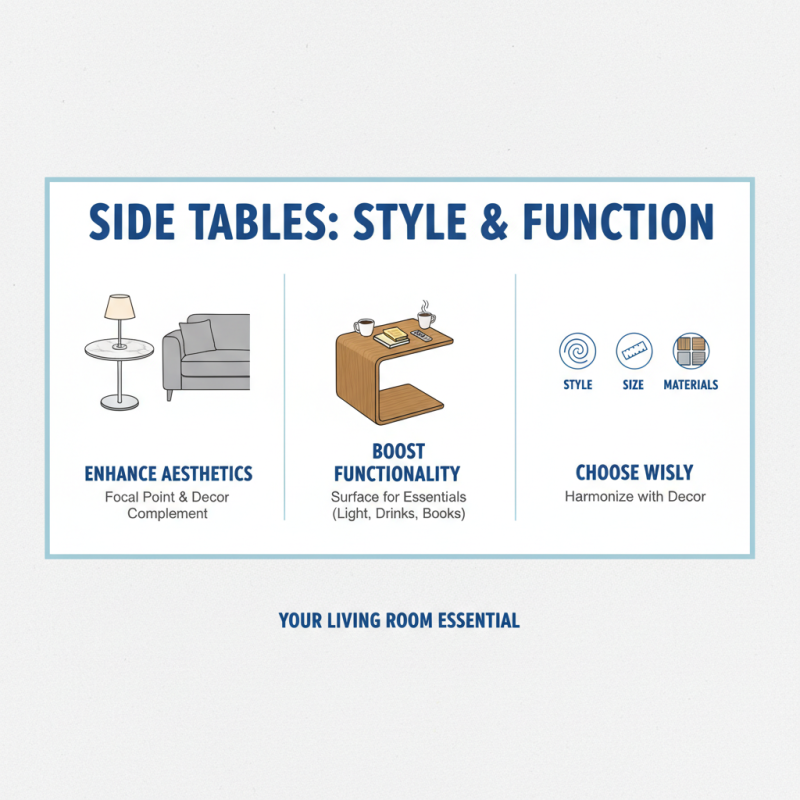
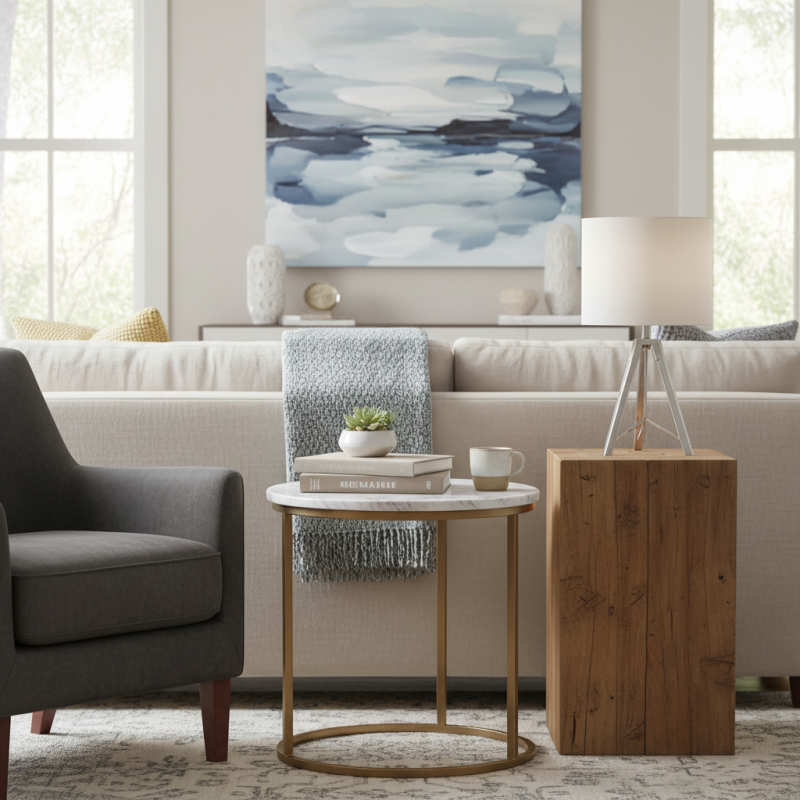
Side tables play a critical role in enhancing the overall aesthetic and functionality of your living room decor. Serving as both practical and decorative elements, they provide convenient surfaces for lighting, beverages, books, and personal items while complementing the furnishings around them. A well-chosen side table can act as a focal point, drawing the eye and adding depth to your space. When selecting a side table, consider the style, size, and materials to ensure it harmonizes with your existing decor.
**Tips:** First, assess the size of your living room and the furniture arrangement. A side table that is too large can overwhelm your space, while one that is too small may not serve its intended purpose. Second, think about the height of the side table in relation to your sofa or seating area; it should be at a similar height for ease of access. Lastly, consider the color and material; a wooden or metal side table can add a touch of warmth and texture, while a glass table offers a sleek, modern look.
In addition to its practical uses, a side table provides an opportunity for personal expression. You can style it with decorative objects, plants, or art to reflect your taste and make the living room feel inviting. The right side table not only enhances your decor but also increases the usability of your living space, making it both stylish and functional.
Identifying Your Style: Classic, Modern, or Eclectic Designs
When selecting the perfect side table for your living room, it's essential to identify your personal style—whether classic, modern, or eclectic—as this will guide your choice and enhance your decor.
Classic designs often feature timeless materials and elegant lines that can elevate the sophistication of your space. Look for side tables with rich woods or antique finishes, adorned with intricate details. They seamlessly blend with traditional furnishings and can serve as conversation starters in your living room.
Modern designs, on the other hand, emphasize simplicity and functionality. Clean lines, minimalistic shapes, and innovative materials characterize these pieces. To ensure your modern side table complements your decor, opt for bold colors or unique geometric forms that add a touch of contemporary flair. This approach allows for versatility and can create a refreshing contrast if paired with more ornate furniture.
Tips for choosing the right side table include measuring the space to ensure a harmonious fit and considering the height in relation to your seating. Additionally, think about the purpose of the table—if it will hold a lamp, books, or decorative items—which can influence the size and style you select. Lastly, don’t forget to think about the overall color palette of your living room to ensure your new side table integrates beautifully with the existing design scheme.
Selecting the Right Size and Proportion for Your Space
When selecting the perfect side table for your living room, size and proportion play a crucial role in achieving a harmonious look. A side table that is too large can overwhelm a small space, while one that is too small may get lost among the other furnishings. To ensure a balanced arrangement, measure the available space next to your seating area. Ideally, a side table should be around the same height as the arm of your sofa or chair, making it easily accessible for placing drinks or decorative items.
Tips: Consider the overall layout of your room when choosing a side table. If your living area has a modern aesthetic, opt for sleek lines and minimalist designs to maintain a cohesive look. Conversely, if your decor is more traditional, a table with ornate details can add character without clashing. Additionally, think about the shape of your side table: round tables can soften sharp corners in the room, while rectangular tables can provide functional surface area in tighter spaces.
Ultimately, the right proportion will enhance the functionality and aesthetic of your living room. Ensure there’s enough space to walk around the side table comfortably—ideally, leave about 18 inches between it and other furniture. This consideration not only promotes easy movement but also helps create an inviting atmosphere.
How to Choose the Perfect Side Table for Your Living Room Decor
| Dimension |
Description |
Recommended Size |
Proportion Tips |
| Height |
Should be level with the seat of your sofa or chair. |
25-30 inches |
Measure your seating height and aim for a similar height. |
| Width |
Consider the space available next to your seating. |
15-24 inches |
Leave at least 2-6 inches of space for walking and comfort. |
| Depth |
Should fit within the layout without overwhelming the space. |
15-20 inches |
Aim for a size that complements the surrounding furniture. |
| Shape |
Choose a shape that fits the aesthetic of the room. |
Round, Square, or Rectangular |
Round tables are great for tight spaces, while rectangular can be better for larger settings. |
| Material |
Consider the durability and aesthetic of your side table. |
Wood, Metal, Glass |
Mix materials to add texture and interest to your decor. |
Choosing Materials and Finishes that Complement Your Decor
When it comes to selecting the ideal side table for your living room, the choice of
materials and finishes plays a pivotal role in enhancing your overall decor. According to a recent industry report by the
American Home Furnishings Alliance, nearly 70% of homeowners believe that the materials used in furniture significantly impact the aesthetic appeal of their living space. Therefore, considering
natural materials like wood, metal, or glass can not only ensure durability but also seamlessly integrate with various decor styles.
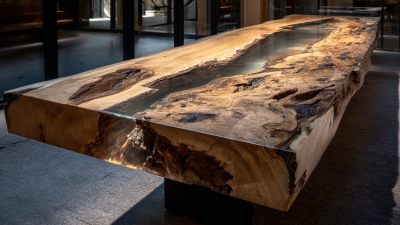
For instance, wooden tables can provide warmth and a classic touch, while metal tables often contribute a sleek, modern feel. A study published in the
Journal of Interior Design reveals that incorporating mixed materials in furniture, such as combining wooden bases with glass tops, can create visual interest and depth in a room.
Furthermore, finishes such as
matte, glossy, or distressed can dramatically alter the perception of space; glossy finishes can make a small room appear larger, while distressed finishes add an element of character and charm.
Ultimately, understanding the interplay of materials and finishes in your side table selection can elevate the sophistication of your living room, making it both functional and aesthetically pleasing.
Functionality: Practical Features and Storage Options to Consider
When selecting a side table for your living room, functionality should be a primary consideration. According to a survey conducted by the American Home Furnishings Alliance, over 70% of consumers report that they prioritize storage options when choosing furniture for their living spaces. This emphasizes the importance of practical features, such as drawers or shelves, which can help keep the area organized and clutter-free. A side table that doubles as storage can serve multiple purposes, accommodating items like books, remote controls, or decorative accessories while maintaining a clean aesthetic.
Additionally, the right side table should complement the overall functionality of your living room. Height is a significant factor; a side table that is too high or too low can disrupt the visual flow of the space. The International Association of Furniture Designers suggests that a side table should generally be level with the seat height of adjacent seating for optimal usability. Beyond aesthetics and size, consider the durability of materials as well. A well-crafted side table can withstand daily use while continuing to perform its essential storage functions. Balancing these practical features with your decor style ensures that your living room remains both beautiful and functional.


 +8618702197143