How to Choose the Best Furniture Solutions For Restaurants?
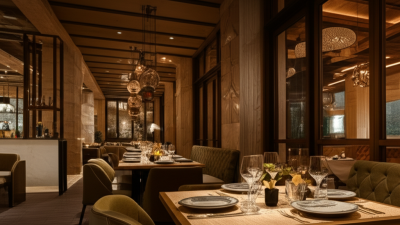
Choosing the right furniture solutions for restaurants can make or break your business. Renowned interior designer Clara S. states, "The right furniture creates an inviting atmosphere." This sentiment resonates deeply in the competitive restaurant landscape. Patrons often judge a dining experience based on comfort and aesthetics.
When selecting furniture, consider functionality and style. Tables should be durable yet aesthetically pleasing. Chairs need to offer both comfort and support. Visual cohesion is imperative, but practicality should never be sacrificed. For instance, vibrant colors may attract patrons, but they should fit the overall theme of your establishment.
Each restaurant is unique, and so are its furniture requirements. Introspection is key. What environment do you wish to create? Are you drawn to modern minimalism or rustic charm? Identifying core values and desired vibes will lead to better choices. Remember, the best furniture solutions for restaurants should enhance both the ambiance and dining experience.
Identifying Your Restaurant's Style and Theme for Furniture Choices
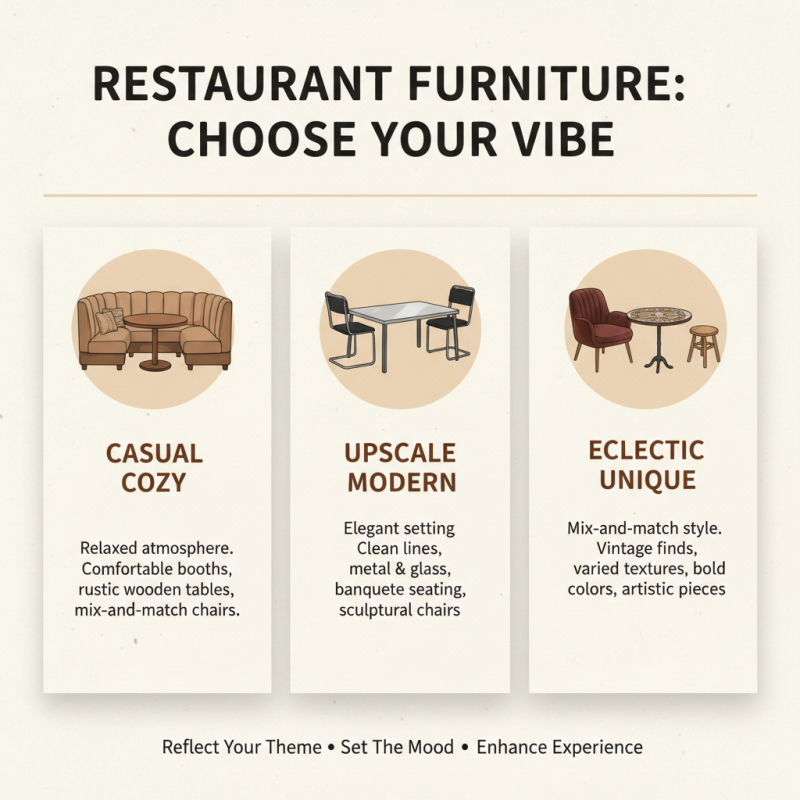
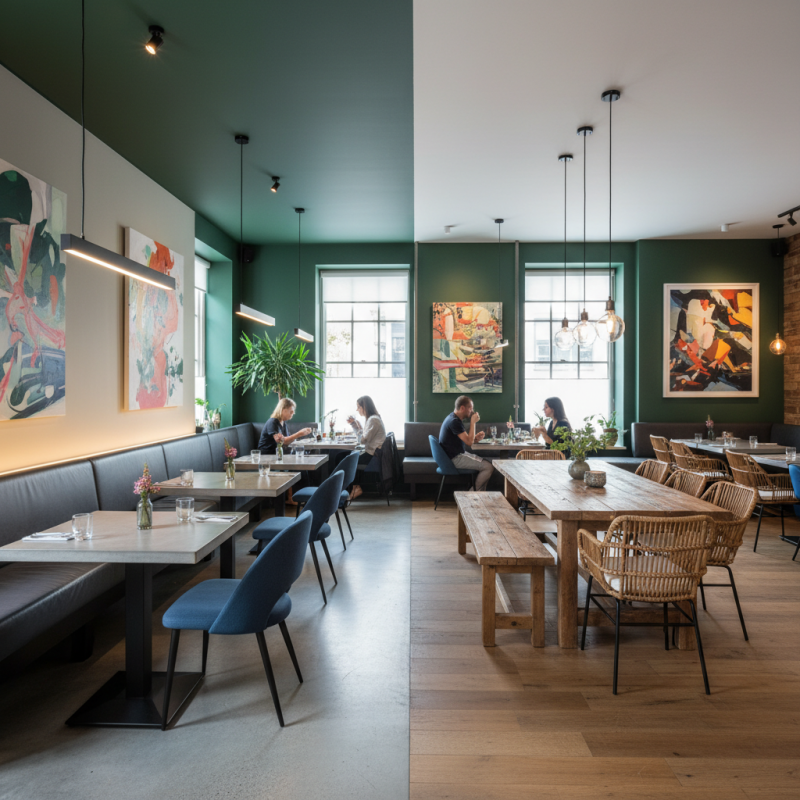
Choosing the right furniture for your restaurant begins with understanding its style and theme. Consider what atmosphere you want to create. Is it casual, upscale, or eclectic? Your furniture should reflect this mood. Cozy booths work well for a relaxed vibe. Sleek tables might fit a modern theme better.
Tips: Look for materials that match your theme. Wooden tables lend warmth, while metal options can enhance a contemporary feel. Pay attention to colors too; they should complement your overall decor.
Reflect on your target audience. Are they families, young professionals, or tourists? Family-friendly restaurants often need sturdy furniture. This can lead to more wear and tear. Look for durable seating that is also stylish.
Tips: Think about the flow of the space. Furniture should not obstruct movement. Ensure there’s enough room between tables for comfort. However, overcrowding can create a lively atmosphere—balance is key.
Assessing Space and Layout Requirements for Optimal Furniture Arrangement
Assessing space and layout requirements is crucial for restaurants. A well-planned layout boosts efficiency and enhances customer experience. Industry research shows that an optimal furniture arrangement can increase seating capacity by up to 30%. This means every square foot must be utilized wisely.
When evaluating your restaurant's space, consider the flow of movement. Is there enough space for servers to navigate? Are customers comfortable? Aim for at least 18 inches between tables to ensure privacy and ease of access.
Tips: Use floor plans to visualize your layout. Experiment with different furniture styles to identify what works best. Regularly gather feedback from staff and customers to adjust your setup. Reflect on changes. If the layout hinders service, rethink your choices. Balancing aesthetics and functionality is key. Aim for a space that invites guests while allowing staff to work seamlessly.
Selecting Durable and Easy-to-Maintain Materials for Restaurant Furniture
Selecting furniture for restaurants involves careful consideration of materials. It's essential to choose options that are both durable and easy to maintain. A study by the National Restaurant Association indicates that nearly 30% of a restaurant's costs are related to furniture maintenance and replacement. This highlights the importance of selecting robust materials that can withstand heavy use.
Wood, metal, and high-density plastics are popular choices. For instance, high-density polyethylene is stain-resistant and easy to clean. It's often used for outdoor seating due to its weather resistance. However, wood can be visually appealing yet may require more upkeep to avoid scratches and water damage. The potential for wear and tear can lead to increased costs if not properly accounted for.
Many restaurants also face challenges with maintenance routines. Cleaning routines can be overlooked, leading to unsightly stains. In fact, approximately 40% of restaurants report issues with maintaining their furniture regularly. This can deter customers and affect their overall dining experience. Thus, managers should consider furniture that facilitates easier upkeep rather than just aesthetics.
Balancing Comfort and Aesthetics in Seating Options for Guests
In restaurant design, seating plays a pivotal role. Comfort must align with aesthetics. According to a recent industry report, comfortable seating can increase customer retention by up to 30%. Guests are likely to stay longer when they feel at ease. This translates to increased spending, which is vital for profitability.
Aesthetic elements can greatly enhance the dining experience. However, too much focus on looks may compromise comfort. The balance is delicate. For instance, sleek chairs might look stunning but lack the support necessary for longer meals. Reports indicate that 45% of diners prioritize comfort factors over style. It’s crucial to consider materials. Upholstered options often provide more warmth, while metal may be more visually striking but can feel cold.
Restaurant owners frequently face dilemmas when choosing furniture. They strive for appealing designs without sacrificing ergonomics. Many explore creative solutions like modular seating. These can be stylish and adaptable. Still, regular feedback is essential. Listening to customers helps refine choices. Ignoring this can lead to an uncomfortable atmosphere, driving guests away.
Furniture Solutions for Restaurants: Comfort vs Aesthetics
Budgeting for Quality Furniture Without Sacrificing Design Integrity
When selecting furniture for a restaurant, budgeting is crucial. Quality furniture can be expensive. However, sacrificing design can lead to a less inviting atmosphere. Striking a balance is essential. Invest in durable materials that see heavy use. Wood and metal are often more resilient than cheaper alternatives. They withstand wear and tear from daily operations.
Consider the restaurant's aesthetic. The furniture should reflect the theme of the space. A well-designed interior attracts more customers. Think about how colors and shapes work together. Choose pieces that complement the overall vision. While it's tempting to save money, skimping on design can backfire. Poor choices may impact your restaurant's image.
Additionally, functionality matters. Chairs need to be comfortable. Tables must accommodate various group sizes. These factors influence customer satisfaction. Sometimes, it’s worth spending a bit more for the right fit. Embrace imperfections in this process. You may discover unique styles that resonate with diners. Each piece tells a story and adds character. Finding the right furniture involves thoughtful consideration and occasional trial and error.


 +8618702197143