How to Choose the Best Solid Wood Coffee Table for Your Home?
When choosing the perfect "Solid Wood Coffee Table," the right guidance can make a difference. Renowned interior designer Sarah Johnson emphasizes, “A coffee table is the heart of the living room.” This statement highlights the central role these tables play in our homes.
A Solid Wood Coffee Table combines durability and timeless appeal. It is not just furniture; it is an expression of style and functionality. Selecting the right one involves understanding your space, taste, and needs. The variety of wood types, finishes, and designs can be overwhelming. It requires careful consideration and a keen eye.
Many overlook the balance between aesthetics and practical use. You might be drawn to a beautiful table but find it doesn't suit your lifestyle. It’s vital to reflect on how the table will fit your daily activities. A solid wood coffee table can enhance your living space, but make sure it aligns with your family's dynamics. Enjoy the process of finding that perfect piece.
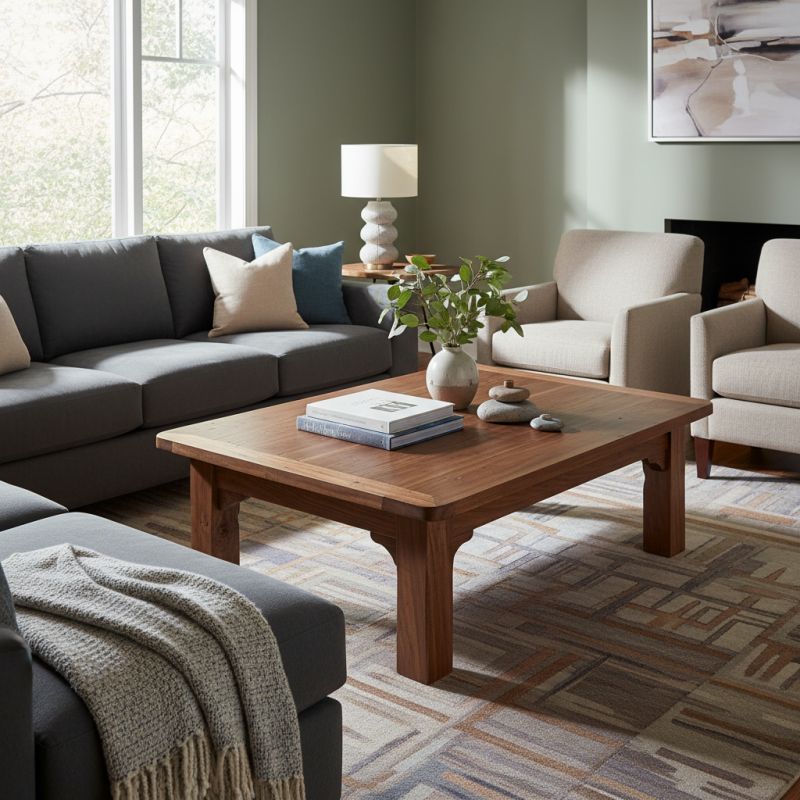
Understanding Different Types of Solid Wood for Coffee Tables
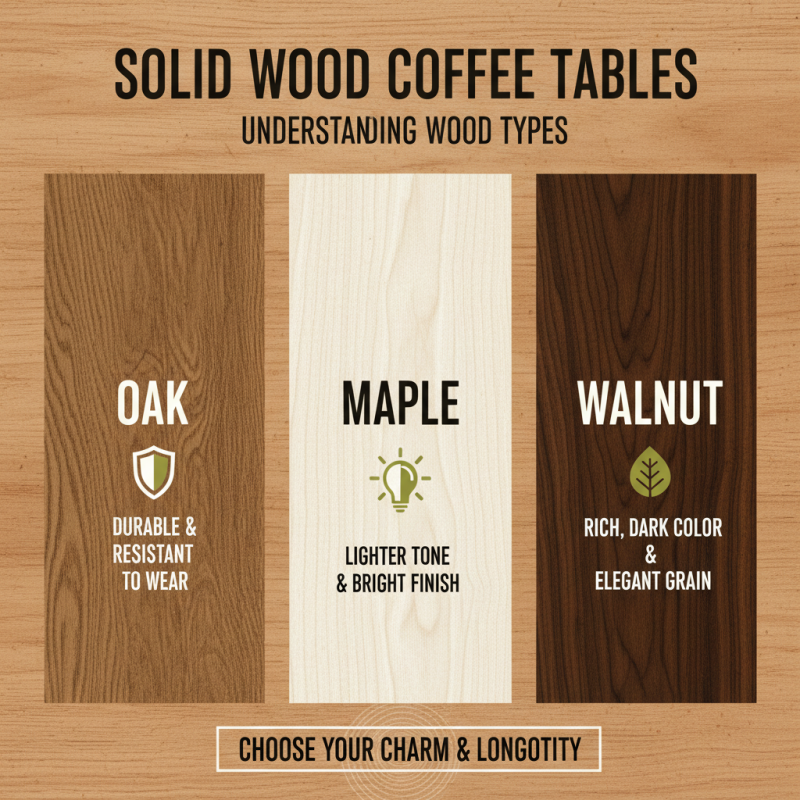
When selecting a solid wood coffee table, it's essential to understand the types of wood available. Different wood varieties offer unique qualities. Oak, for instance, is durable and resistant to wear. Maple is lighter and provides a bright finish. Each wood type has its charm and longevity.
Tip: Consider the room's decor when choosing the wood type. A darker wood can add warmth and richness to a modern space. Lighter woods might fit better in airy, minimalist settings.
Mahogany and walnut create a luxurious feel. They have deep colors and interesting grain patterns. However, some might find these woods more challenging to maintain. Regular cleaning and conditioning can help preserve their beauty.
Tip: Always test the finish on a small area first. This ensures it matches your desired look and feel. Remember, the wood will age over time, so think about how you want it to age in your space.
Evaluating the Size and Shape for Your Living Space
Evaluating the size and shape of your coffee table is crucial for a harmonious living space. A coffee table should complement your seating area. Consider the height of your sofas and chairs. Ideally, the table should be about the same height or slightly lower. This ensures comfort when reaching for drinks or snacks.
The shape of the table also plays a significant role. Rectangular tables work well in long, narrow rooms. They can create a focal point in the center. Round tables are perfect for smaller or more casual spaces. They promote a cozy, inviting atmosphere.
When measuring, think about clearances. You need enough space to move around comfortably. Aim for at least 18 inches between the table and seating. This distance allows for ease of movement. If the table is too large, it can overwhelm the room. If it's too small, it may look lost. Balancing size and shape will enhance your living space effectively.
Considering Style and Aesthetic Compatibility with Your Decor
Choosing a solid wood coffee table begins with assessing your existing decor. Identify the dominant colors and materials in your living space. According to a recent industry report, 65% of consumers prefer a cohesive look in their homes. It’s important that the coffee table complements the furniture around it. A rustic oak table, for instance, can add warmth if your design leans towards earthy tones.
Think about the shapes and patterns in your room. If your sofa has clean lines, a round coffee table might create visual interest. A report by the Home Furnishings Association suggests that geometric shapes are trending, appealing to 42% of modern homeowners. This data underscores the importance of marrying functionality with aesthetic appeal.
Natural finishes can enhance the allure of your coffee table while maintaining the integrity of your style. However, bear in mind that wood can vary in grain and tone. This variation can lead to unexpected contrasts that may not align with your vision. Being open to imperfections in natural wood may lead to delightful surprises. A unique grain pattern can serve as a conversation starter, adding character to your space.
Assessing Durability and Maintenance Requirements of Wood Tables
When considering a solid wood coffee table, durability and maintenance are crucial factors.
A recent industry report indicates that hardwoods like oak and maple are often rated for their longevity. These woods can last for decades when properly cared for.
They're more resistant to scratches and dents compared to softer woods. Yet, not all solid wood tables are created equal.
Maintenance requirements vary by wood type. For example, a study shows that oiled finishes require regular reapplication every 6-12 months.
This can be time-consuming. On the other hand, lacquered surfaces may be easier to clean but can be less forgiving to heat and moisture.
Identifying the right finish for your lifestyle is essential.
Moisture exposure can be a significant concern for wood tables. Research indicates that even slight humidity changes can cause warping.
Placing coasters and avoiding direct sunlight can help mitigate these risks. While solid wood offers a timeless look,
keep in mind that its maintenance needs require dedication. Realizing these aspects is vital for making an informed choice.
Budgeting: How to Find Quality Solid Wood Within Your Price Range
When budgeting for a solid wood coffee table, research is essential. A recent study indicates that quality wood furniture can range widely in price.
Solid wood tables typically fall between $300 and $1,800, depending on the type of wood and craftsmanship. Understanding this range helps you set realistic expectations.
Look for key indicators of quality. Check sources like the American Home Furnishings Alliance, which suggests examining the wood grain and finish. A well-made table will show consistency in the wood’s pattern. You may want to consider local artisans, often providing unique pieces at competitive prices. However, handmade items can sometimes have imperfections. Embrace these as signs of craftsmanship.
Consider the balance between aesthetics and durability. While a low price might seem enticing, it could indicate inferior materials. Reports from the Furniture Industry Association show that well-constructed tables can last a lifetime. Investing in quality pays off. However, find what works for your home, and don’t rush. It's crucial to prioritize your family's needs and style preferences over simply chasing trends.


 +8618702197143