How to Choose the Best Wooden Display Cabinets for Your Needs?
When considering wooden display cabinets, it’s essential to understand their significance in both home and retail environments. According to recent industry reports, the wooden furniture market is projected to grow at a CAGR of 6.2% from 2021 to 2027. This growth signifies an increasing demand for quality wooden display cabinets that serve both functional and aesthetic purposes.
Choosing the right cabinet can be overwhelming. Factors like style, size, and material quality must be evaluated. Industry experts emphasize that a poorly chosen cabinet can detract from valuable merchandise or home décor. Customers often report frustration when their cabinets do not meet their expectations. This reflects the importance of thorough research and understanding of personal needs before making a decision.
Moreover, wooden display cabinets can significantly enhance the presentation of items while ensuring durability. However, evaluations reveal that not all wooden cabinets are created equal. The selection process may require introspection about intended use and space constraints. Taking the time to analyze options will lead to more satisfactory outcomes.
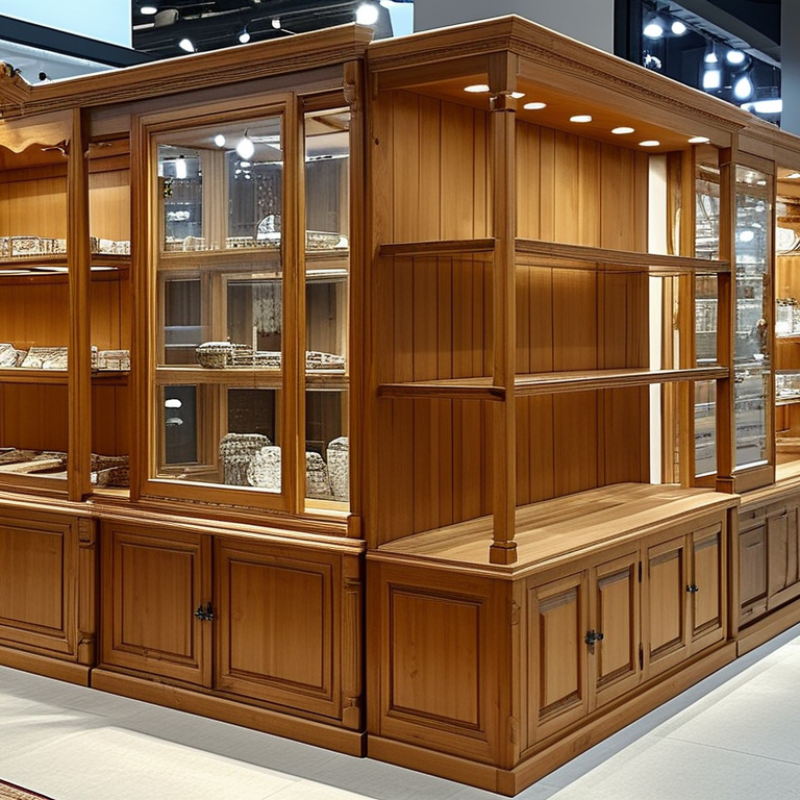
Understanding Your Storage Needs Before Choosing a Display Cabinet
When selecting a wooden display cabinet, it's crucial to understand your storage needs. According to recent studies, nearly 70% of homeowners report underutilized storage spaces in their homes. This highlights the need for thoughtful planning before purchasing any cabinet. Assessing your collection’s size and type is vital. Whether you are storing collectibles, books, or decorative items, each requires different space allocations.
Consider the available areas in your home. Many people overlook dimensions and aesthetics, leading to poor choices. A cabinet may look stunning, yet if it doesn’t fit the room, it may hinder rather than help. Research indicates that 55% of consumers prioritize functionality over style in storage solutions. Finding a balance is essential to ensure that your cabinets not only serve a purpose but also complement your decor.
Lastly, evaluate the materials used in construction. High-quality wooden cabinets can last decades, but not all wood is created equal. Reports suggest that cabinets made from solid hardwood retain better structural integrity and aesthetic appeal over time. Take time to reflect on your long-term goals. Will this cabinet serve your needs as your collection grows? Thoughtful consideration of these factors leads to a more satisfying purchase experience.
Wooden Display Cabinets: Popular Features and Preferences
Evaluating Different Wood Types for Durability and Aesthetics
When selecting a wooden display cabinet, the type of wood plays a crucial role in both durability and aesthetics. Hardwoods like oak, maple, and cherry are often preferred for their resilience. According to a report by the Forest Products Laboratory, hardwoods can last longer than softwoods, making them a wise investment for long-term use. Oak, in particular, is known for its strength and captivating grain patterns, often emerging as a popular choice among homeowners.
On the other hand, softer woods like pine can offer charm but may require more care. Pine cabinets are usually lighter and more budget-friendly. However, their tendency to dent easily is a consideration for many. Furthermore, these woods may not retain their appeal over time without proper maintenance.
Aesthetically, different wood types can create varied atmospheres; a cherry cabinet may invoke warmth, whereas a walnut cabinet might project sophistication.
It's essential to assess your needs and living conditions. A family with young children may need a harder wood. Yet, a carefully-crafted pine cabinet might suit a quiet home office. The balance between beauty and durability can be challenging. Each wood type has its pros and cons, requiring personal reflection on priorities.
Assessing Size and Space Requirements for Optimal Placement
When choosing wooden display cabinets, assessing size and space requirements is crucial. Start by measuring the area where you plan to place the cabinet. Consider the width, height, and depth to ensure it fits seamlessly without overwhelming the space. A cabinet that is too large can make a room feel cramped. Conversely, a small cabinet may look lost in a spacious area.
Tip: Visualize the cabinet in your space. Use painter’s tape to outline its dimensions on the floor. This exercise helps you see the proportions clearly. Also, consider the height of the cabinet. It should be in harmony with other furniture pieces, ensuring a balanced look.
Consider awkward spaces too. Often, unique nooks can benefit from custom cabinets. They can maximize storage without interfering with traffic flow. Reflect on how the cabinet’s design will impact the overall decor. A well-chosen piece can enhance aesthetics, while a haphazard choice may detract from the room’s appeal. Take your time to evaluate options that truly meet your needs.
How to Choose the Best Wooden Display Cabinets for Your Needs? - Assessing Size and Space Requirements for Optimal Placement
| Feature |
Description |
Ideal Size |
Space Requirements |
| Width |
The distance from one side of the cabinet to the other. |
36 to 72 inches |
Ensure at least 30 inches of clearance for movement. |
| Height |
The vertical measurement from the base to the top of the cabinet. |
36 to 84 inches |
Should fit comfortably under ceilings; consider visibility. |
| Depth |
The measurement from the front to the back of the cabinet. |
12 to 24 inches |
Ideal for narrow spaces to avoid crowding. |
| Material |
The substance used to construct the cabinet. |
Solid wood vs. engineered wood |
Consider weight for location and support. |
| Style |
The design or appearance of the cabinet. |
Traditional, modern, rustic |
Should match overall room decor. |
Exploring Design Styles to Match Your Home's Interior Decor
Choosing the right wooden display cabinet is vital for enhancing your home’s interior. Each design style speaks volumes about your taste and lifestyle. For instance, a rustic cabinet with distressed finishes adds warmth and character. According to a recent report from the American Home Furnishings Alliance, 54% of homeowners prefer wood furniture for its aesthetic appeal and durability.
Modern interior designs lean towards minimalist aesthetics. Sharp lines and neutral colors are popular choices. A sleek wooden cabinet can serve as a focal point, blending functionality with sophistication. However, not all modern designs offer practical storage solutions. Many homeowners find that style often compromises utility, leading to frustration. Balancing form and function is essential for achieving coherence in your decor.
Classic and vintage designs are regaining popularity, too. Antique-style cabinets resonate with nostalgia and charm. They often incorporate intricate woodwork and ornate detailing. Yet, finding a genuine vintage piece can be challenging. Many replicas flood the market, making it hard to discern authenticity. This dilemma requires careful reflection on what truly enhances your space.
Budgeting for Quality: Finding the Right Price Point for Wood Cabinets
When budgeting for wooden display cabinets, it's essential to find the right balance between quality and price. Quality wood cabinets can be an investment, but they also provide durability and aesthetic appeal. Prices vary greatly, so doing research is crucial. Consider what type of wood works best for your space. Solid woods tend to be pricier, while composites offer a more budget-friendly alternative.
Tips: Measure your space accurately. This helps avoid choosing a cabinet that is too large or too small. Stick to your budget but be open to slight variations. Sometimes, spending a little more on quality can save money in the long run.
Also, consider the finishes. A well-finished cabinet is not just beautiful; it’s more resistant to wear and tear. Check for warranties before making a final decision. Quality assurance can be a helpful indicator of reliability.
Lastly, remember that while price is important, functionality should not be overlooked. A cabinet that meets your needs should be prioritized more than aesthetic appeal alone. Sometimes, it’s necessary to reflect on your use case and how long you plan to keep the cabinet. Balancing these factors will ensure your purchase is worthwhile.


 +8618702197143