How to Choose the Perfect Side Table for Your Home?
Choosing the perfect side table for your home can feel overwhelming. With countless styles, sizes, and materials available, it’s essential to consider your specific needs. A well-chosen side table can enhance your décor and provide functionality. It can serve as a spot for drinks, books, or decorative items.
Think about the space where the side table will go. Consider its height and width in relation to your sofa or chair. Sometimes, a table looks great but is impractical. This could lead to frustration when you can't easily reach for a cup of coffee. Choosing the right side table is about balance and harmony. Too often, people overlook this aspect.
Reflect on how the side table fits into your lifestyle. Will it host family games or serve as a landing place for keys? These questions matter. In the end, your side table should not only complement your style but also reflect your personality and needs. Careful thought can transform a simple piece into a functional art piece.
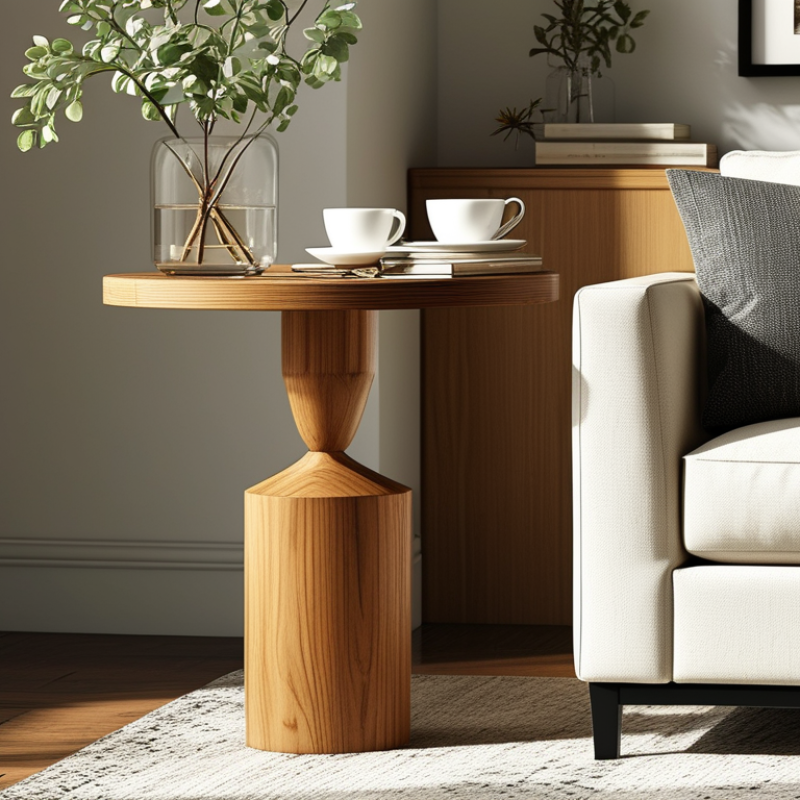
Understanding the Purpose of a Side Table in Home Decor
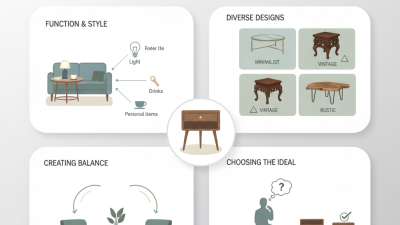
When considering the purpose of a side table in home decor, it’s essential to understand its multifunctional role. A side table often serves as a convenient surface for coffee, books, or decorative items. According to a recent survey by the Interior Design Association, 73% of respondents indicated that side tables enhance both functionality and style in living spaces. This statistic highlights their importance in modern design.
In addition to practicality, side tables can influence a room's aesthetic. They act as focal points, complementing sofas and armchairs. A well-chosen side table can tie together various elements of a room. However, many homeowners overlook proportion and scale, leading to mismatched furniture. For example, an oversized side table next to a petite chair can disrupt the visual balance. The same survey found that 47% of homeowners expressed dissatisfaction with their side table choices, noting that adjustments led to improved cohesion in their decor.
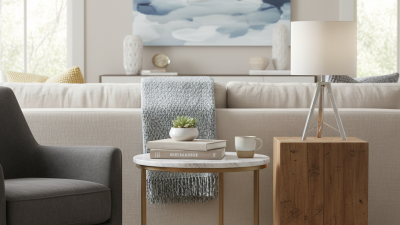
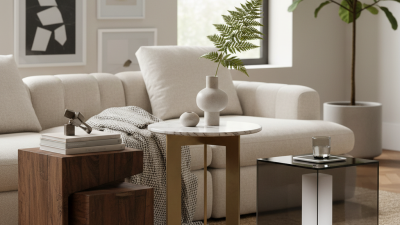
Textures and materials also play a significant role. A wooden side table can add warmth, while metal surfaces impart a modern touch. When blending different styles, watch for harmony rather than clash. Quality matters. Research from the Home Furnishings Association shows that 58% of buyers prioritize durability over cost in their furniture choices. Selecting a side table that reflects personal style while considering these factors contributes to a well-rounded home environment.
Identifying Your Style: Modern, Rustic, or Traditional?
When choosing a side table, identifying your style is crucial. Modern, rustic, and traditional designs each have unique characteristics. According to a recent survey by Furniture Today, 65% of consumers prioritize style over functionality when selecting furniture. This trend signals the importance of aligning your side table with your overall aesthetic.
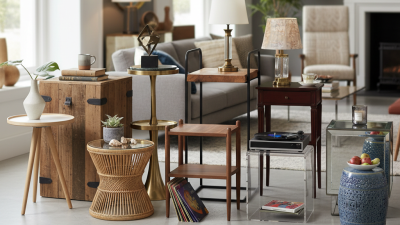
In a modern setting, opt for clean lines and minimalist designs. Materials like metal and glass lend a sleek look. Rustically styled tables, often made from reclaimed wood, bring warmth and character. The National Home Furnishings Association reports that rustic designs have increased in popularity by 32% over the last three years. Traditional side tables feature intricate details and elegant finishes. These pieces often evoke a sense of timelessness, appealing to those who appreciate classic decor.
Reflecting on your personal style can enhance your space. Think about how a side table can complement or contrast with existing furniture. A mismatched table might seem out of place initially. However, it can serve as a striking focal point, inviting conversation and engagement. Experimenting with different styles will help establish your unique home ambiance. Keep in mind the balance between functionality and aesthetics as you refine your choices.
How to Choose the Perfect Side Table for Your Home? - Identifying Your Style: Modern, Rustic, or Traditional?
| Style |
Material |
Color Palette |
Common Features |
Size Recommendations |
| Modern |
Metal, Glass, Plastic |
Neutral tones, Bold colors |
Clean lines, Minimalist design |
Small to medium sizes, 18-24 inches in height |
| Rustic |
Reclaimed wood, Natural materials |
Earthy tones, Warm colors |
Handcrafted look, Textured finishes |
Medium to large sizes, 20-30 inches in height |
| Traditional |
Wood, Upholstered materials |
Rich colors, Antique finishes |
Ornate details, Classic shapes |
Large sizes, 22-28 inches in height |
Choosing the Right Size and Height for Your Space
Choosing the right size and height for your side table can significantly enhance your living space. An ideal side table should be proportional to your seating arrangement. If your sofa is low to the ground, a shorter side table will maintain harmony in your space. Conversely, a taller table can offer convenience next to high seating options, such as bar stools. This balance is key for functionality and aesthetics.
Consideration of scale is essential. If the side table is too large, it can overpower the room. A small table might disappear in a spacious setting. Aim for a table that is about the same height as your sofa's armrest. This will allow easy access for drinks, books, and decor. It’s important to visualize how the size interacts with other furniture. Overlaying dimensions using tape on the floor can help you see the space in 3D.
Don’t forget that the perfect choice may require some trial and error. Once the table is in place, you may find it doesn’t fit as you envisioned. Reflect on the overall flow in the room. If the table feels out of proportion, swapping it for another might be necessary. These details can create a cohesive look while matching your lifestyle.
How to Choose the Perfect Side Table for Your Home?
This chart illustrates the average dimensions of side tables commonly found in homes. The height, width, and depth are essential factors to consider when choosing the perfect side table for your space.
Material Matters: Wood, Metal, or Glass Options
When selecting a side table, material choice is crucial.
Wooden tables offer warmth and character. They can enhance a rustic or traditional theme.
A solid wood piece can last for years with proper care.
However, wood can scratch easily and may warp in humid conditions.
Consider the finish and type of wood before buying.
Metal side tables provide a modern and sleek appearance.
They are durable and can handle heavy use. A metal table complements industrial or contemporary decor.
However, they may not provide the same warmth as wood. They can also get cold to the touch.
Choose a design that balances style with comfort.
Glass side tables create an illusion of space.
They are perfect for small rooms and add elegance.
However, they can stain easily and require regular cleaning.
Look for tempered glass for added safety.
Each material has its pros and cons, making careful selection vital.
Understanding your lifestyle and aesthetic preference is key.
Functional Features: Storage, Mobility, and Multi-Use Designs
Choosing the right side table involves considering its functional features. Look for tables that offer storage. Hidden compartments can keep your space tidy. Think about whether you need a drawer for coasters or magazines. A well-placed side table can help minimize clutter.
Mobility is another aspect to consider. Lightweight designs allow easy rearrangement. If you often change your layout, a mobile side table makes this effortless. Compact tables can fit into any nook, enhancing versatility.
Multi-use designs are essential. A side table can serve as a small desk or a display space for plants. Flexibility is key in smaller homes. Each element should adapt to your lifestyle.
Tip: Measure your space before purchase. An overly large table overwhelms your room. Check how the table will fit with your existing furniture. A perfect side table complements your décor, yet enhances functionality.


 +8618702197143