Why Choose Wooden Tables For Restaurants Over Other Options?
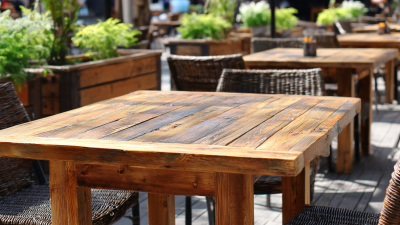
In the competitive world of hospitality, choosing the right furniture can make a significant difference. Wooden tables for restaurants not only offer aesthetic appeal but also durability and timelessness. Renowned industry expert Alex Carpenter, a furniture designer with over 15 years of experience, states, “Wooden tables create an inviting atmosphere that can enhance the dining experience.”
Restaurants often overlook the impact of table material on customer satisfaction. While modern alternatives exist, they may lack the warmth that wooden tables provide. The natural grain and texture of wood add character, making each table unique. This can evoke a sense of comfort and familiarity in guests, encouraging them to stay longer and return.
Some restaurant owners may question the long-term investment in wooden tables for restaurants. Maintenance can be a concern; however, proper care leads to longevity. Balancing the pros and cons is essential. Though they require upkeep, the atmosphere they create is often worth the effort. In the end, while other options are available, the choice for wooden tables often proves to be a rewarding investment.
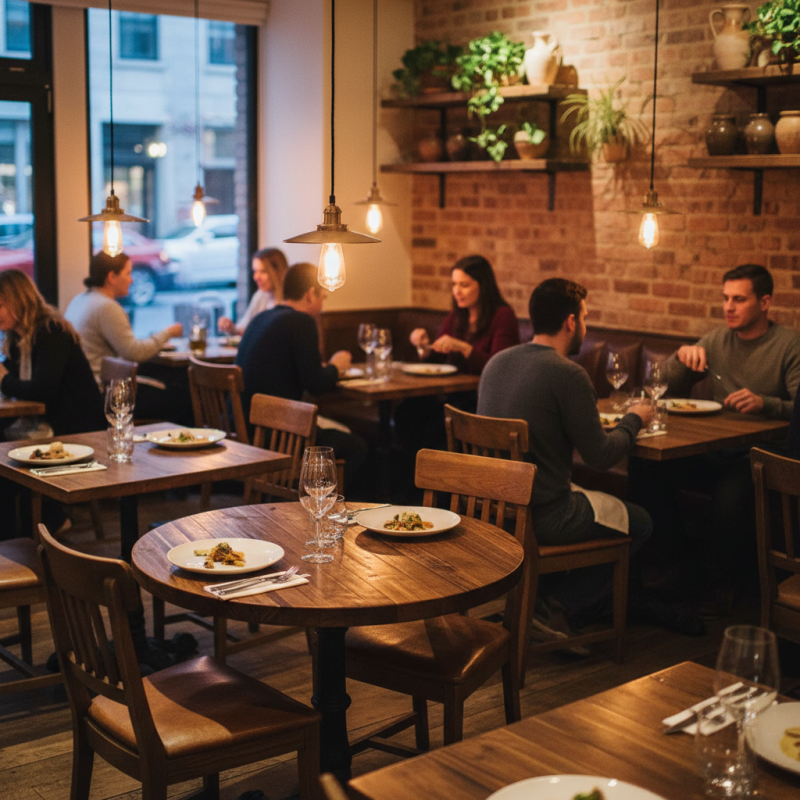
Benefits of Wooden Tables in Restaurants: An Overview
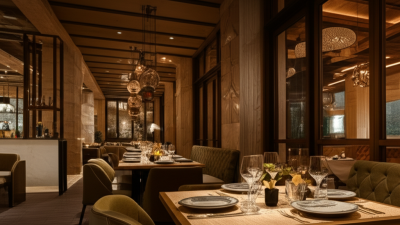
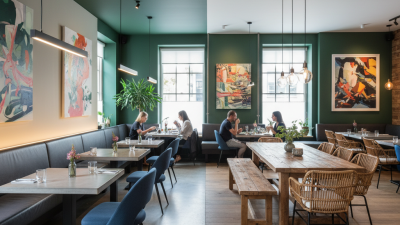
Wooden tables have become a popular choice for restaurants, offering numerous benefits. Their natural aesthetics create a warm and inviting atmosphere, making diners feel comfortable. The rich texture of wood contributes to the overall decor, allowing for a timeless appeal. Wooden tables can easily complement various design themes, from rustic to modern.
In addition to aesthetics, wooden tables are durable. They can withstand heavy use, making them ideal for busy restaurant environments. With proper care, they can last for years, reducing the need for frequent replacements. However, some might find maintenance challenging. Wood requires regular polishing and care to prevent scratches and stains. It's a commitment that not every restaurant owner may be prepared for.
Moreover, wooden tables can enhance the dining experience. They offer a sense of tradition and craftsmanship. This can resonate with customers, who may appreciate the authenticity. However, wood is susceptible to temperature changes. This can sometimes lead to warping in extreme conditions. Balancing these factors is essential in making the right choice for a restaurant's furniture.
Why Choose Wooden Tables For Restaurants Over Other Options?
| Benefit |
Description |
Sustainability |
Durability |
| Aesthetic Appeal |
Wooden tables offer a warm and inviting atmosphere that enhances the dining experience. |
Natural wood is often sourced from sustainable forests, making it an eco-friendly choice. |
High-quality wooden tables can last for many years, with proper care. |
| Versatility |
Available in various styles, sizes, and finishes to suit different restaurant themes. |
Wood can be sourced from responsibly managed forests, reducing environmental impact. |
Wooden tables can be refinished, extending their life span and maintaining their appearance. |
| Comfort |
Wooden surfaces feel warm and comfortable compared to colder materials. |
Using reclaimed wood can further enhance sustainability efforts. |
Resistant to scratches and easy to maintain with proper care. |
| Acoustic Benefits |
Wood absorbs sound, making for a quieter dining environment. |
Promoting forest management helps maintain ecological balances. |
Resilient to daily wear but requires regular maintenance for long-lasting use. |
Durability and Longevity of Wooden Tables Compared to Alternatives
When it comes to restaurant furniture, wooden tables often stand out for their durability and longevity. A study published by the National Restaurant Association found that well-maintained wooden tables can last up to 20 years, significantly outpacing alternatives like plastic or metal. While plastic tables are lightweight and economical, they tend to warp and fade over time. Similarly, metal tables may rust or dent, leading to increased replacement costs.
Wooden tables require regular care but reward owners with the potential for long-term use. They can withstand the demands of busy restaurants, from heavy foot traffic to spills and scratches. The timeliness of refinishing can enhance their natural beauty, extending their life. In contrast, options like laminate or composite materials may look appealing initially but often show wear much quicker, sometimes needing replacement within five years.
Yet, investing in wooden tables is not without challenges. The initial cost can be higher than alternatives. Additionally, some restaurants might struggle to maintain the careful upkeep required for wood. However, the return on investment is evident when considering overall durability and aesthetic appeal. Wooden tables can be a signature feature in restaurant design, often leading to a welcoming atmosphere that attracts customers. Making the right choice is essential for longevity and ambiance.
Durability and Longevity of Wooden Tables Compared to Alternatives
Aesthetic Appeal: Enhancing Restaurant Ambiance with Wood
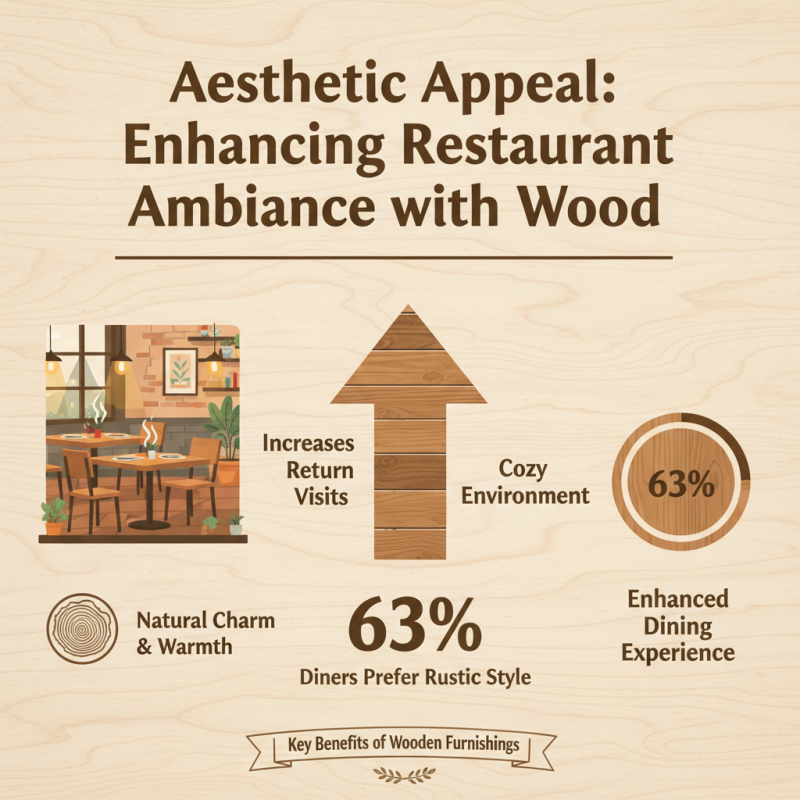
Wooden tables bring a unique charm to restaurants, enhancing the overall atmosphere with their natural appeal. The warmth of wood creates a cozy environment that invites customers to relax and enjoy their meals. Studies show that 63% of diners prefer a rustic style, often associated with wooden furnishings. This preference impacts their dining experience significantly, increasing the likelihood of return visits.
Choosing wooden tables can be more than an aesthetic decision. Wood absorbs sounds, creating a more pleasant din in larger spaces. A report from the Restaurant Association indicates that a loud and chaotic environment can deter 45% of patrons. By utilizing wooden tables, restaurants can cultivate a welcoming vibe that encourages social interaction.
**Tips:** When selecting wooden tables, consider the type of wood that suits your restaurant's theme. Each wood species carries a unique texture and finish, impacting the look and feel of the space. Regular maintenance is crucial. Small dents and scratches on wood can detract from its charm. Embrace imperfections as part of the charm. They tell a story and add character to the dining experience.
Cost Analysis: Wooden Tables vs. Metal and Plastic Options
When considering furniture for restaurants, cost plays a crucial role. A recent report by IBISWorld indicated that wooden tables often have a lower total cost of ownership compared to metal and plastic options. While the initial price of wooden tables may be higher, their longevity offsets maintenance and replacement costs. Wooden surfaces can last for decades with proper care, unlike plastic tables that often need replacement every few years.
Moreover, wooden tables enhance the dining atmosphere. Customers often associate wood with quality and warmth. According to a survey by Restaurant Dive, 70% of diners prefer wooden furniture over metal or plastic alternatives. This preference can lead to increased customer satisfaction and repeat business. However, it is essential to acknowledge the variance in wood quality. Some types may be more susceptible to wear and damage. Choosing the right type of wood is critical.
Storage and flexibility also influence costs. Wooden tables can be more challenging to stack and store compared to plastic models. This aspect can lead to higher storage space costs. Despite these challenges, many restaurant owners find wood tables worth the investment for their aesthetic appeal and durability. Balancing these factors makes the choice complex yet vital for successful restaurant operations.
Sustainability in Restaurant Furniture: The Case for Wood
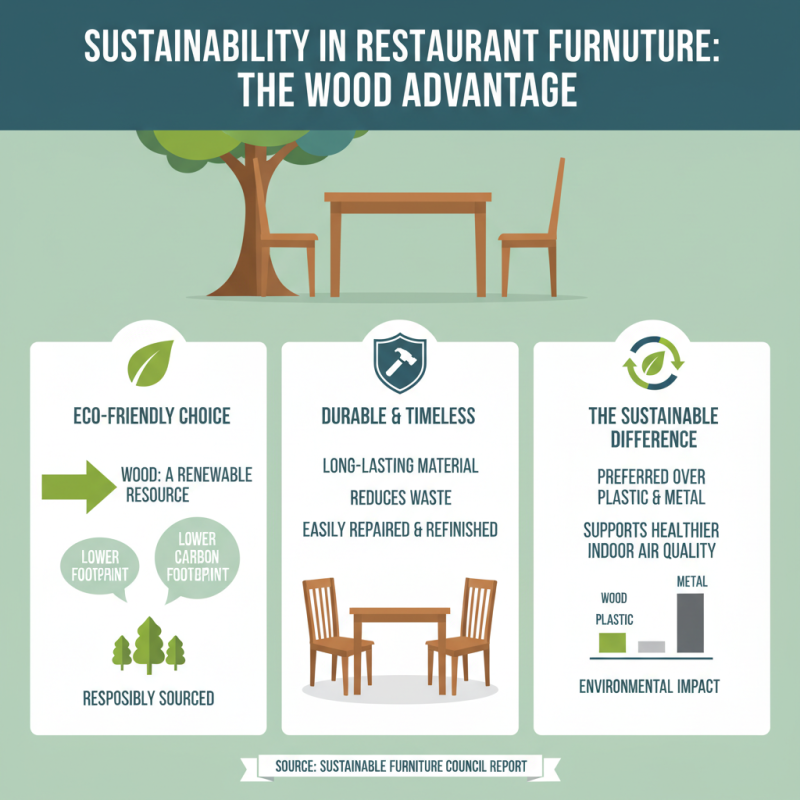
Wooden tables have become a popular choice for restaurants looking to enhance sustainability. The environmental impact of furniture is a growing concern. According to a report by the Sustainable Furniture Council, wood products are often more sustainable than alternatives like plastic or metal. This is primarily because wood is a renewable resource. When sourced responsibly, it can be an eco-friendly choice.
The durability of wooden tables also plays a crucial role in sustainability. A study conducted by the National Association of Home Builders revealed that well-maintained wooden furniture can last decades. This longevity reduces the need for frequent replacements, ultimately minimizing waste. However, some may question the carbon footprint associated with transportation and processing. This highlights the importance of local sourcing.
It's important to acknowledge that not all wood is created equal. Unsustainable logging practices can harm ecosystems and contribute to deforestation. Choosing certified wood, such as FSC-certified products, is vital. This certification ensures responsible management of forests. By making informed choices, restaurants can contribute to a healthier planet while providing a warm, inviting atmosphere for diners.


 +8618702197143