10 Essential Tips for Choosing the Perfect Wooden Reception Desk
When it comes to furnishing your reception area, the choice of a Wooden Reception Desk can significantly impact the first impression your business makes on clients and visitors. A well-chosen desk not only serves its functional purpose but also reflects your brand's identity and values. Given the variety of styles, materials, and designs available, selecting the perfect desk can seem daunting. However, with thoughtful consideration, you can find a wooden reception desk that seamlessly blends aesthetics and functionality.
In this guide, we will explore the top 10 essential tips for choosing the ideal wooden reception desk for your office environment. From understanding different wood types and finishes to evaluating desk sizes and layouts, these insights will help you navigate your options and make an informed decision. Whether you’re aiming for a modern, sleek look or a more traditional, rustic vibe, the right desk will elevate your reception space and create a welcoming atmosphere for all who enter. Join us as we delve into the key factors to consider in your quest for the perfect wooden reception desk.
Choosing the Right Wood Type for Durability and Aesthetics
When selecting a wooden reception desk, one of the key factors to consider is the type of wood used, as it significantly influences both durability and aesthetics.
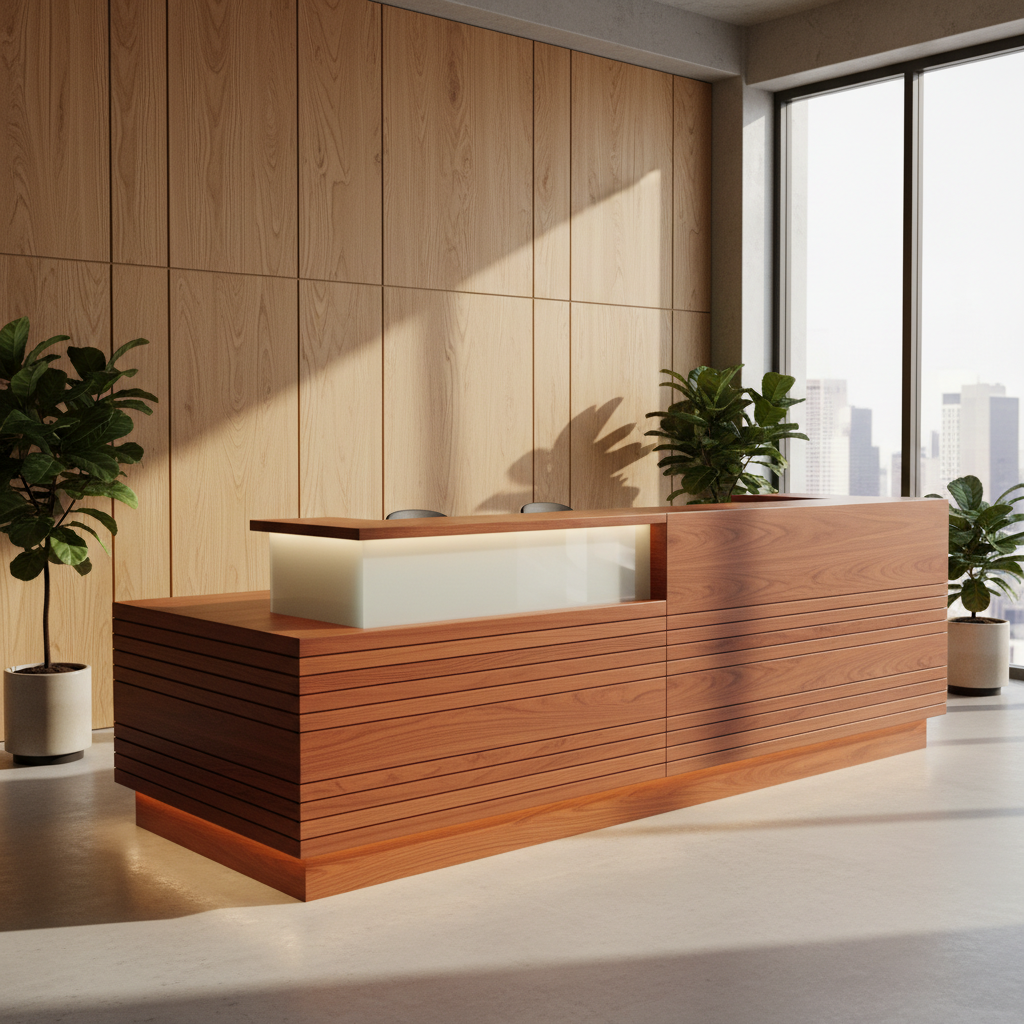
Hardwoods like oak, maple, and cherry are often recommended for their resilience and timeless beauty.
According to the Wood Products Council, these types of wood can last for decades with proper care, making them a sound investment for businesses looking to create a lasting first impression.
Additionally, the grain and finish of the wood can affect the overall look and feel of the reception area. A report from the American Hardwood Export Council highlights that the natural variations in hardwoods not only provide unique character but also contribute to the aesthetic appeal of a workspace.
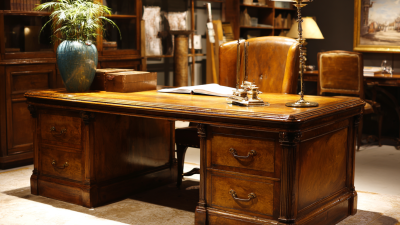
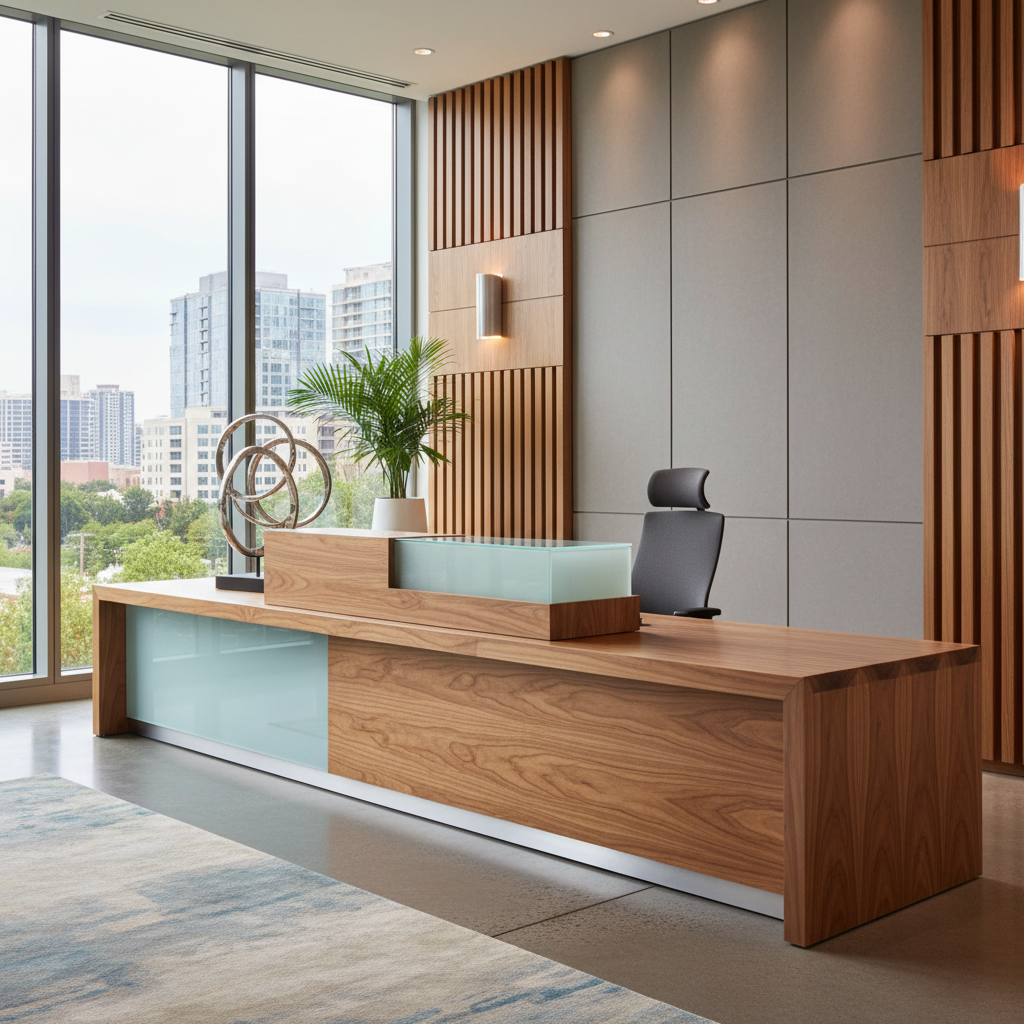
For example, oak offers a traditional, warm appearance with prominent grain patterns, while walnut provides a more modern, sleek look due to its rich color and smooth texture.
By choosing the right wood type, businesses can enhance their brand image and create a welcoming atmosphere for clients and customers.
Understanding the Ergonomics of Reception Desk Design
When selecting a wooden reception desk, understanding the ergonomics of its design is crucial for both functionality and aesthetics. Ergonomics plays a pivotal role in ensuring that the desk accommodates the needs of both the staff and incoming guests. A well-designed reception desk should allow for easy interaction between the receptionist and visitors while promoting a comfortable posture that reduces strain during long hours of work. Elements such as the desk height, surface depth, and the arrangement of equipment should be considered to create an inviting environment that enhances productivity.
Moreover, the incorporation of ergonomic features can make a significant difference in the overall efficiency of reception services. For instance, a desk that includes adjustable height options allows employees to switch between sitting and standing, reducing fatigue and encouraging better circulation. Additionally, having sufficient space for computers, paperwork, and personal items ensures that everything is within reach, minimizing unnecessary movements. By prioritizing ergonomic principles in the design of wooden reception desks, businesses can create a welcoming and functional space that reflects their commitment to employee well-being and customer satisfaction.
Selecting the Ideal Finish for Style and Maintenance
When choosing a wooden reception desk, the finish plays a crucial role in both style and maintenance. The finish you select can either enhance the natural beauty of the wood or detract from it. Options range from glossy to matte, each offering distinct aesthetic qualities. For a contemporary look, high-gloss finishes can make a striking impression. Conversely, a matte finish evokes a more understated elegance, allowing the wood grain to take center stage. Consider the overall design of your space when making this choice; the finish should complement existing decor while embodying your brand’s identity.
Maintenance is another critical factor to consider when selecting a finish. Some finishes, like polyurethane, provide a durable layer of protection against spills and scratches, making them ideal for high-traffic reception areas. On the other hand, natural oils or wax finishes may require more frequent applications but offer a warmer, more organic appeal. Evaluating the expected wear and tear on your reception desk will guide you towards the most practical finish for your environment. By balancing style preferences with maintenance needs, you can ensure that your wooden reception desk remains a focal point of elegance and functionality.
Incorporating Functional Features for Maximum Efficiency
When selecting a wooden reception desk, incorporating functional features is crucial for maximizing efficiency in any workspace. According to a report by the International Interior Design Association (IIDA), 85% of employees believe that the design and functionality of a workspace directly impact their productivity. A well-designed reception desk equipped with features such as integrated storage solutions, cable management systems, and ergonomic height adjustments can significantly enhance operational workflow.
In addition, a survey conducted by the American Institute of Architects (AIA) found that 70% of organizations prioritize collaboration and communication in their reception areas. Desks with multi-functional capabilities, such as modular components that can be rearranged based on needs, not only foster teamwork but also keep the reception area organized and inviting. By choosing a reception desk that balances aesthetics with practical features, businesses can create a welcoming environment that not only improves first impressions but also supports overall efficiency and employee satisfaction.
Aligning Desk Size and Shape with Your Reception Area Layout
When selecting a wooden reception desk, it is crucial to align its size and shape with the layout of your reception area. An ideal desk should complement the available space, ensuring that it does not overwhelm the area or appear too insignificant.
Measure the dimensions of the reception space accurately, taking into account doorways, seating areas, and foot traffic patterns. A desk that fits comfortably will enhance both functionality and aesthetics, providing a welcoming atmosphere for visitors.
In addition to size, the shape of the desk plays a vital role in the flow of your reception area. Consider whether a straight desk, L-shaped, or U-shaped design best suits your setup.
L-shaped desks, for instance, can create a more open feel and facilitate better communication between staff and guests. On the other hand, Straight desks may offer a more streamlined appearance in smaller spaces.
Ultimately, selecting the right size and shape will not only enhance the operational efficiency of your reception area but also set the tone for the overall design and customer experience.


 +8618702197143