The Ultimate Guide to Choosing the Perfect Wooden Tables For Your Restaurant
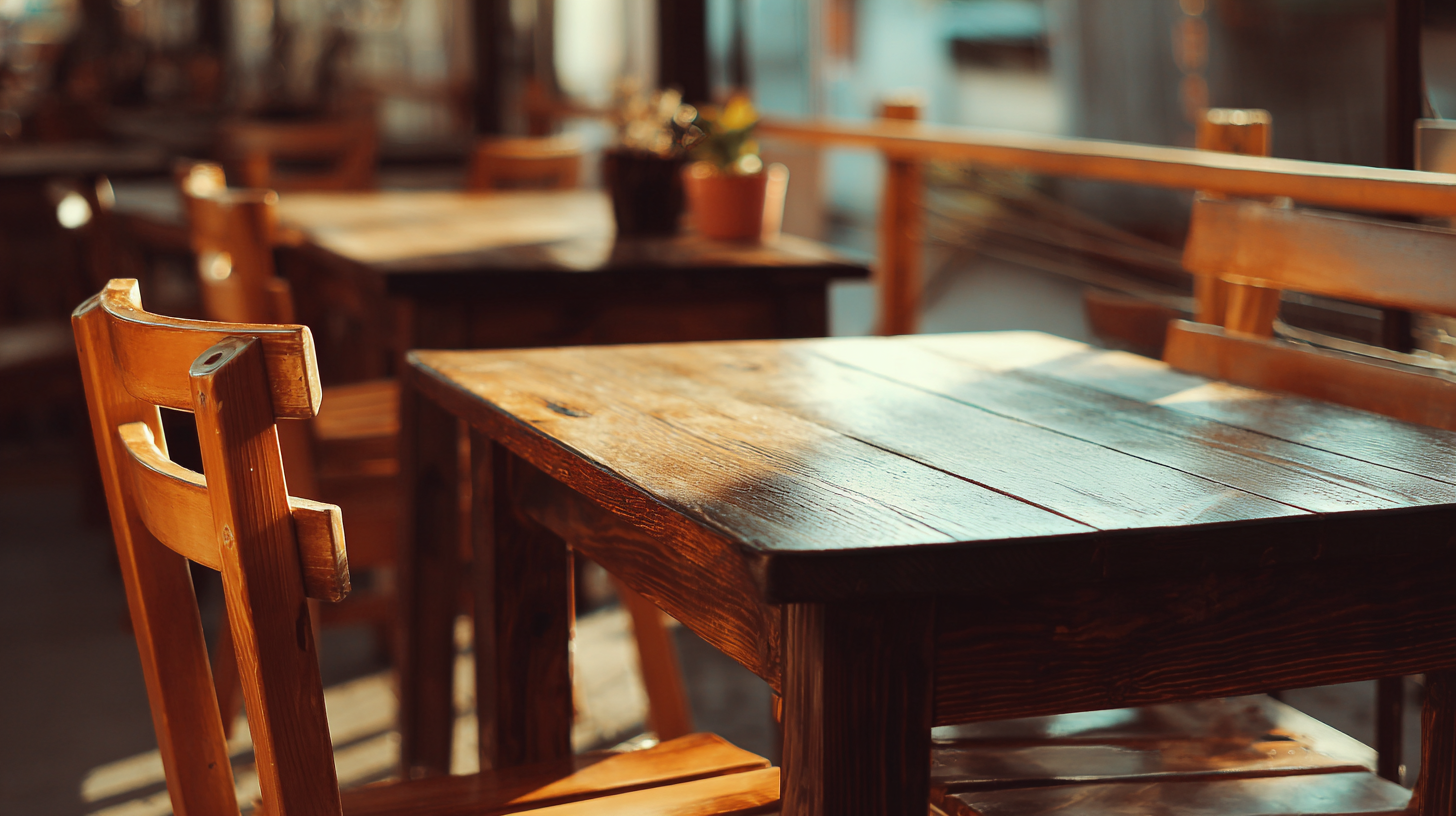
 In the competitive landscape of the restaurant industry, creating an inviting atmosphere is crucial for attracting and retaining customers. One significant element that contributes to this ambiance is the choice of furniture, particularly wooden tables for restaurants. According to industry research, 56% of consumers consider a restaurant’s interior design, including furniture selection, as a key factor in their dining experience. Moreover, wooden tables are not only aesthetically pleasing but also enhance the overall dining experience, with studies indicating that wood elements can lower stress and promote longer stays, subsequently increasing sales per table. With the growing trend for sustainability and natural materials, choosing the perfect wooden tables can significantly boost a restaurant's appeal and customer satisfaction. This guide aims to navigate the intricacies of selecting the ideal wooden tables, ensuring that your restaurant stands out in a crowded market while maximizing both functionality and style.
Understanding Different Types of Wooden Tables for Restaurants
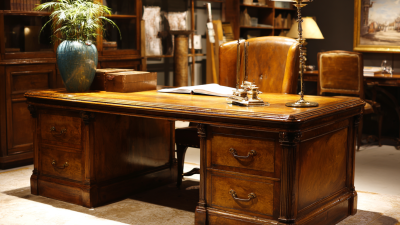
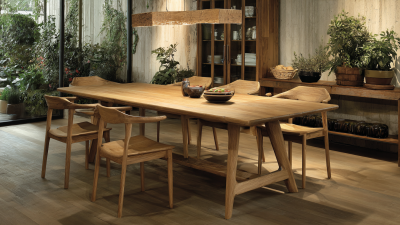
When choosing wooden tables for your restaurant, it's essential to understand the different types that cater to various dining settings and aesthetics. Solid wood tables, for instance, provide durability and a timeless appeal, making them ideal for high-traffic areas. Options like oak and maple are popular for their strength and grain patterns, bringing a rustic charm to your establishment.
Tips: Consider the thickness of the tabletop, as thicker tables tend to withstand wear and tear better while offering a more substantial look. Additionally, the finish on the wood can significantly influence maintenance requirements; a lacquered finish may be easier to clean but can be prone to scratches.
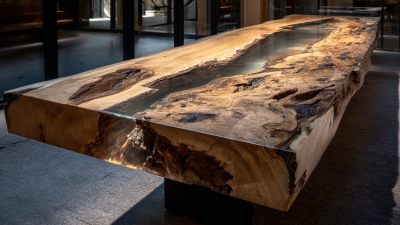
Another option is reclaimed wood tables, which not only showcase unique character but also promote sustainability. These tables can tell a story, enhancing your restaurant's atmosphere. The variation in color and texture can complement various themes, from industrial to farmhouse styles.
Tips: When opting for reclaimed wood, ensure it has been properly treated to avoid any health risks associated with old materials. Pairing these tables with complementary seating can elevate the overall dining experience and establish a cohesive design in your venue.
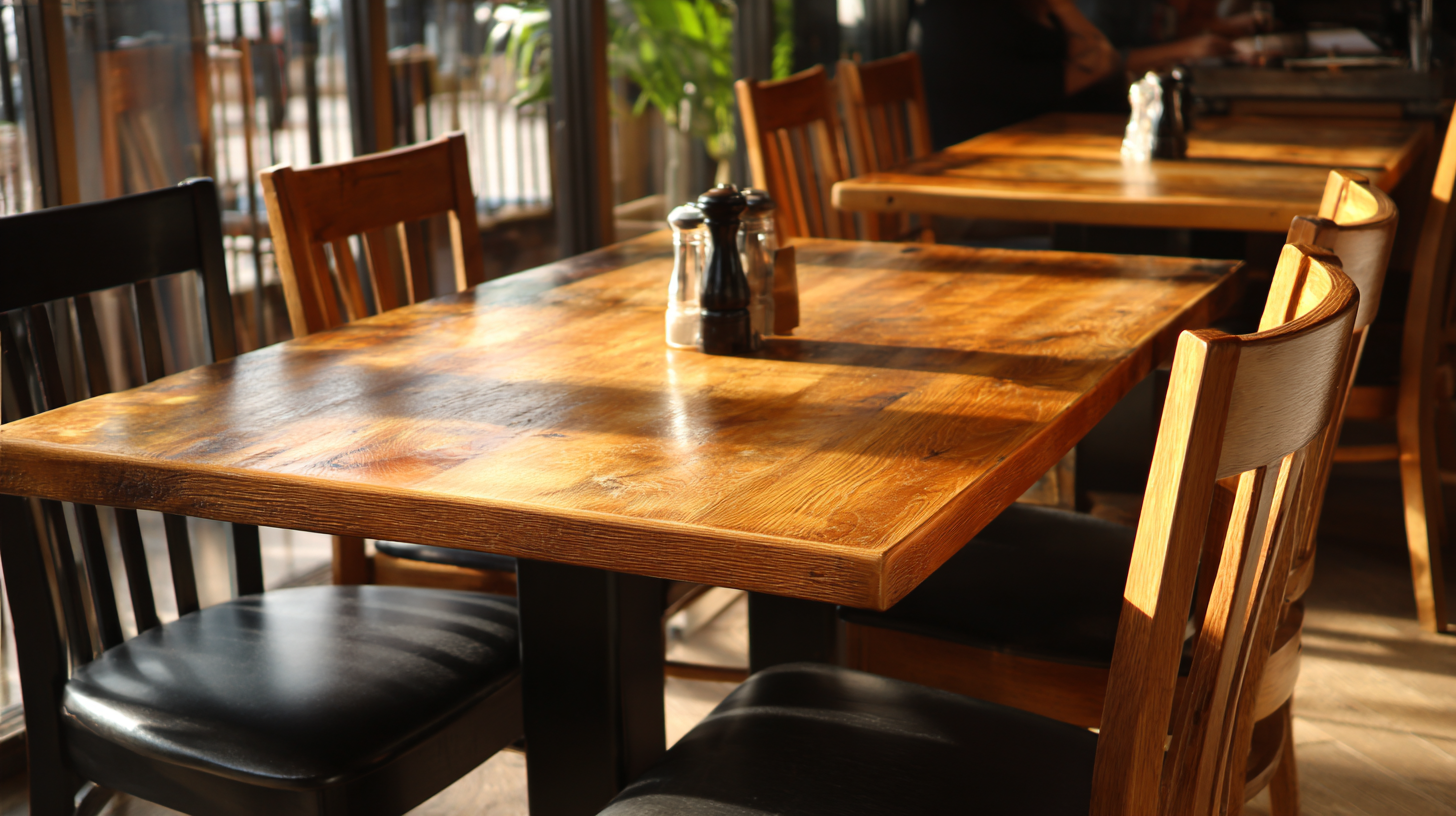
Evaluating the Durability and Maintenance Needs of Wooden Furniture
When selecting wooden tables for your restaurant, one of the most crucial factors to consider is their durability. Wooden furniture can vary significantly in strength based on the type of wood used. Hardwoods like oak, maple, and cherry are known for their resilience and can withstand heavy use, making them ideal for busy dining environments. On the other hand, softer woods like pine may be more susceptible to dents and scratches, which could detract from the appearance of your restaurant over time. Evaluating the hardness of the wood, along with its grain and finish, is essential to ensure the tables can handle the daily wear and tear of your establishment.
Maintenance is another key consideration when choosing wooden tables. Different types of finishes can impact how easy it is to maintain the furniture. For instance, varnished surfaces tend to be more resistant to spills and stains, requiring less frequent refinishing. Regular maintenance, including cleaning with appropriate products and occasional touch-ups, will keep the tables looking their best. Incorporating strategies like using tablecloths or placemats can also protect the wood and reduce maintenance demands, helping to prolong the life of your wooden tables while maintaining the aesthetic appeal of your restaurant.
Choosing the Right Wood Species for Aesthetic Appeal and Functionality
When selecting wooden tables for your restaurant, the choice of wood species is crucial for both aesthetic appeal and functionality. Research indicates that certain woods, like oak and maple, are favored in the hospitality industry for their durability and timeless beauty. Oak, known for its strength and resistance to wear, boasts a Janka hardness rating of 1300, making it a practical choice for high-traffic dining environments. Moreover, its natural grain patterns add character and warmth to any setting, enhancing the overall dining experience.
In contrast, softer woods like pine may offer a rustic charm but are more susceptible to scratches and dents, with a Janka rating of around 690. For restaurants aiming for a balance between aesthetics and durability, hardwoods such as cherry or walnut might be ideal options. According to a report by the American Hardwood Information Center, utilizing wood species like cherry not only provides unique coloring that deepens over time but also meets sustainability standards, as it is sourced responsibly. Choosing the right wood species will ultimately align with both your restaurant's design vision and the practical demands of a busy service environment.
The Ultimate Guide to Choosing the Perfect Wooden Tables For Your Restaurant
This chart displays the aesthetic appeal and functionality ratings of various wood species commonly used for restaurant tables based on expert opinions.
Incorporating Design Elements to Complement Your Restaurant's Theme
When selecting wooden tables for your restaurant, it’s critical to consider how they align with your overall design theme. According to a report by the Restaurant Association, 70% of diners say that the ambiance of a restaurant is equally as important as the food itself. This highlights the need for furniture that not only serves a functional purpose but also contributes to the aesthetic experience of your establishment. For instance,
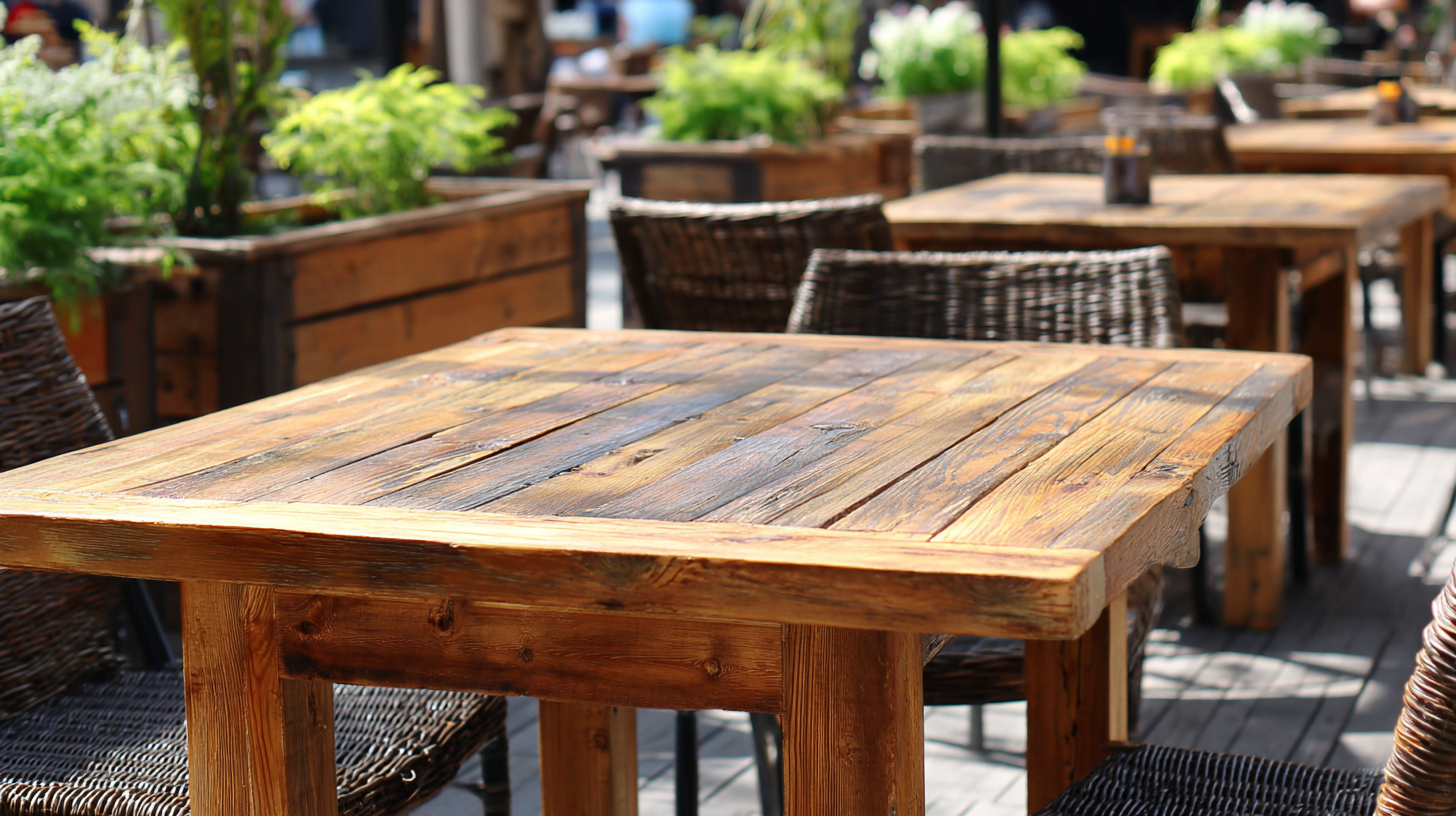
rustic wood tables work beautifully in farm-to-table restaurants, creating a cozy atmosphere that resonates with the culinary narrative.
Incorporating design elements such as color, texture, and style can further enhance your restaurant's theme. A study conducted by the National Restaurant Association found that 75% of patrons are influenced by the visual appeal of dining environments. By opting for reclaimed wood tables, you not only add character but also promote sustainability, a selling point for eco-conscious diners.
Pairing these tables with complementary decor, such as vintage lighting or earthy tones in upholstery, can create a harmonious look that enhances the overall dining experience and encourages repeat visits.
Budgeting: Balancing Quality and Cost for Wooden Tables
When selecting wooden tables for your restaurant, budgeting is a crucial aspect that dictates the balance between quality and cost. Research from the National Restaurant Association indicates that around 30% of a restaurant's start-up costs go towards furniture and fixtures. Therefore, it's essential to align your budget with your desired aesthetic and durability without compromising on quality. High-quality wooden tables may have a higher upfront cost, but their longevity can lead to lower replacement costs over time.
Tip: Explore local suppliers for reclaimed wood options. These tables not only offer a unique character and charm to your restaurant but often come at a lower price point than brand new furniture.
Moreover, consider the long-term maintenance expenses when budgeting. High-quality finishes can reduce wear and tear, potentially saving you significant amounts over the lifespan of the tables. A study by IBISWorld suggests that investing in durable materials can decrease operational costs by up to 15% over five years.
Tip: Evaluate the potential ROI of different table options by considering how the right choice can enhance customer experience and increase occupancy rates. A well-chosen wooden table can elevate the overall ambiance, attracting more patrons to your establishment.


 +8618702197143