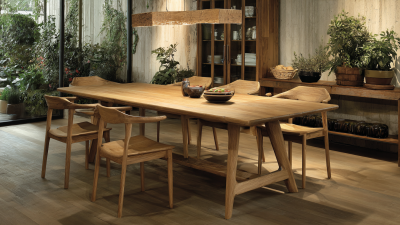
Why a Hardwood Table Top is the Best Choice for Sustainable Home Decor
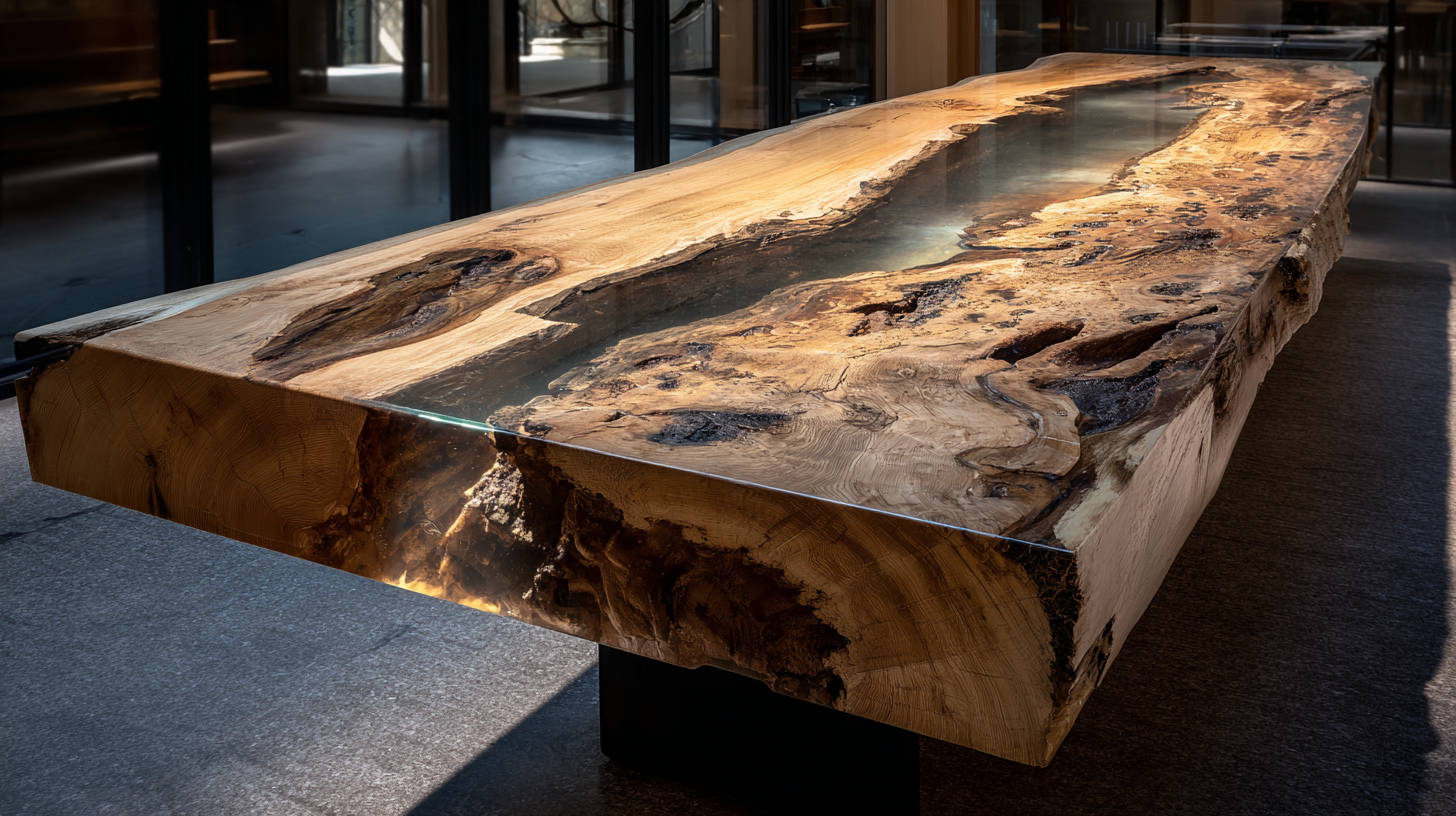 When it comes to sustainable home decor, choosing the right materials is essential for both environmental impact and aesthetic appeal. A Hardwood Table Top stands out as a premier choice due to its durability, renewability, and timeless beauty. According to the Sustainable Forestry Initiative, well-managed forests can sequester carbon and provide countless benefits, making hardwoods like oak and maple a sustainable option for furniture.
Furthermore, research indicates that hardwoods often last over 20 years, significantly reducing the need for replacements and minimizing waste. By investing in a Hardwood Table Top, consumers not only enhance their living spaces but also contribute to a more sustainable future, aligning with the growing trend of eco-conscious home design. Embracing such choices not only supports responsible forestry practices but also elevates the overall quality and character of home furnishings.
When it comes to sustainable home decor, choosing the right materials is essential for both environmental impact and aesthetic appeal. A Hardwood Table Top stands out as a premier choice due to its durability, renewability, and timeless beauty. According to the Sustainable Forestry Initiative, well-managed forests can sequester carbon and provide countless benefits, making hardwoods like oak and maple a sustainable option for furniture.
Furthermore, research indicates that hardwoods often last over 20 years, significantly reducing the need for replacements and minimizing waste. By investing in a Hardwood Table Top, consumers not only enhance their living spaces but also contribute to a more sustainable future, aligning with the growing trend of eco-conscious home design. Embracing such choices not only supports responsible forestry practices but also elevates the overall quality and character of home furnishings.
Choosing Sustainable Hardwood: Types and Benefits
When selecting sustainable hardwood for home decor, it’s essential to understand the various types available and their benefits. Popular choices include oak, maple, and walnut, each offering unique aesthetics and durability. Oak, known for its strength and prominent grain, is ideal for furniture that endures daily use. Maple, with its lighter color and smooth finish, provides a contemporary look while maintaining resilience. Walnut, prized for its rich tones and intricate patterns, adds elegance to any space, making it a favorite for bespoke designs.
The benefits of choosing sustainable hardwood extend beyond aesthetics. Sustainably sourced hardwoods come from responsibly managed forests that prioritize regeneration and biodiversity. This choice not only minimizes environmental impact but also supports local economies. Moreover, hardwood is a long-lasting material that withstands wear and tear, reducing the need for frequent replacements. By investing in sustainable hardwood, homeowners contribute to a healthier planet while enjoying timeless beauty and durability in their interior design.
Why a Hardwood Table Top is the Best Choice for Sustainable Home Decor
| Type of Hardwood |
Sustainability Rating |
Durability (years) |
Resistance to Moisture |
Aesthetics |
| Maple |
A+ (Highly sustainable) |
20-30 |
High |
Light color, smooth grain |
| Oak |
A (Sustainable) |
25-40 |
Moderate |
Rich color, prominent grain |
| Walnut |
A (Sustainable) |
30-50 |
Moderate |
Dark color, luxurious appearance |
| Cherry |
B (Moderate sustainability) |
30-40 |
Moderate to high |
Warm reddish hue, smooth finish |
| Teak |
B- (Sustainability concerns) |
50+ |
Very high |
Golden brown, beautiful finish |
Evaluating the Environmental Impact of Hardwood vs. Other Materials
When considering sustainable home decor, evaluating the environmental impact of hardwood compared to other materials is crucial. Hardwood, often sourced from well-managed forests, has a lower carbon footprint than many alternatives. It sequesters carbon throughout its lifecycle, making it an eco-friendly choice. In contrast, materials like plastic or manufactured wood often require energy-intensive processes and petroleum-based resources, releasing more greenhouse gases into the atmosphere.
Additionally, hardwood's durability plays a significant role in its sustainability. Products made from hardwood can last for generations, reducing the need for frequent replacements, unlike more disposable items made from particleboard or laminate. When these synthetic materials eventually end up in landfills, they can take hundreds of years to decompose, contributing to environmental degradation. By choosing hardwood for table tops and other decor, consumers not only benefit from timeless aesthetics and craftsmanship but also support a more sustainable future for our planet.
Caring for Your Hardwood Table Top: Maintenance Tips and Tricks
Maintaining a hardwood table top is essential not only for its longevity but also for preserving the aesthetic appeal of your home decor. According to the American Hardwood Information Center, properly cared-for hardwood surfaces can last up to 100 years, making them a sustainable choice for homeowners. To extend the life of your table top, it’s crucial to establish a regular cleaning routine. Use a soft, damp cloth to wipe away dust and spills, and avoid harsh chemicals that can damage the wood’s natural finish.
In addition to regular cleaning, applying a protective finish can significantly enhance the durability of your hardwood table top. Experts recommend using a natural oil, such as tung or linseed oil, to nourish the wood and provide protection against moisture and stains. According to a report by the Forest Products Laboratory, treated hardwood surfaces can resist wear and tear for much longer than untreated ones. Furthermore, maintaining optimal humidity levels in your home—ideally between 30-50%—can prevent the wood from warping or cracking over time, ensuring that your table top remains a beautiful centerpiece of sustainable decor for generations to come.
Incorporating Hardwood into Your Home Decor: Style Ideas and Inspiration
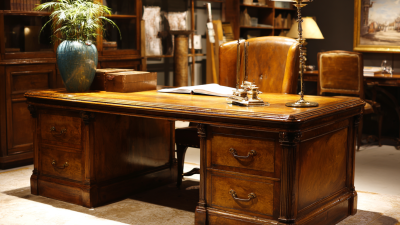
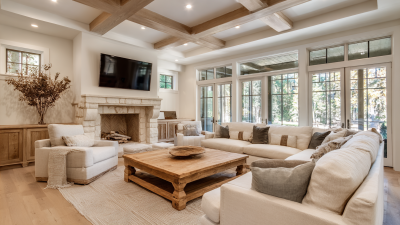
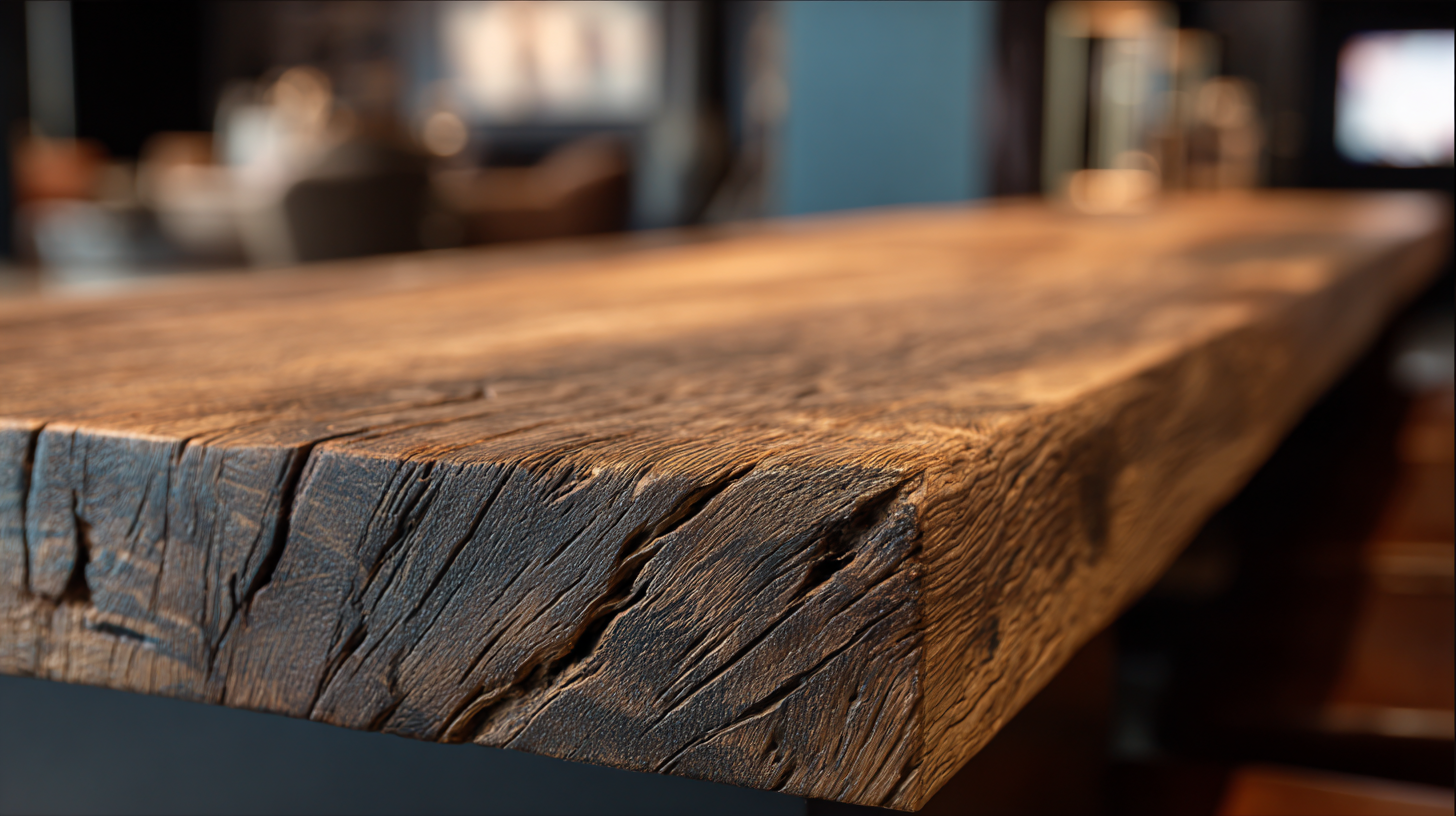
Incorporating hardwood into your home decor not only enhances aesthetic appeal but also promotes sustainability. With its durability and timeless beauty, hardwood can fit seamlessly into various design styles, from rustic to modern. Consider using hardwood tabletops as statement pieces in your dining or coffee areas. The rich textures and warm tones can create a cozy atmosphere, inviting friends and family to gather around.
**Tip:** When choosing hardwood for your table, select a species that complements your existing decor. For example, a walnut table adds depth to contemporary spaces, while a reclaimed oak table brings character and history to traditional styles.
Additionally, hardwood can be used creatively beyond furniture. Think about hardwood wall panels or decorative accents that can tie your decor together. The natural grains and variations in wood offer unique visual interest, ensuring each piece is one-of-a-kind.
**Tip:** Don’t shy away from mixing hardwood with other materials. Pairing hardwood with metals or textiles can create a striking contrast, enhancing the overall look of your space. This combination can also highlight the natural beauty of wood, making your home decor truly stand out.
The Longevity Factor: Why Hardwood is a Smart Investment for Sustainability
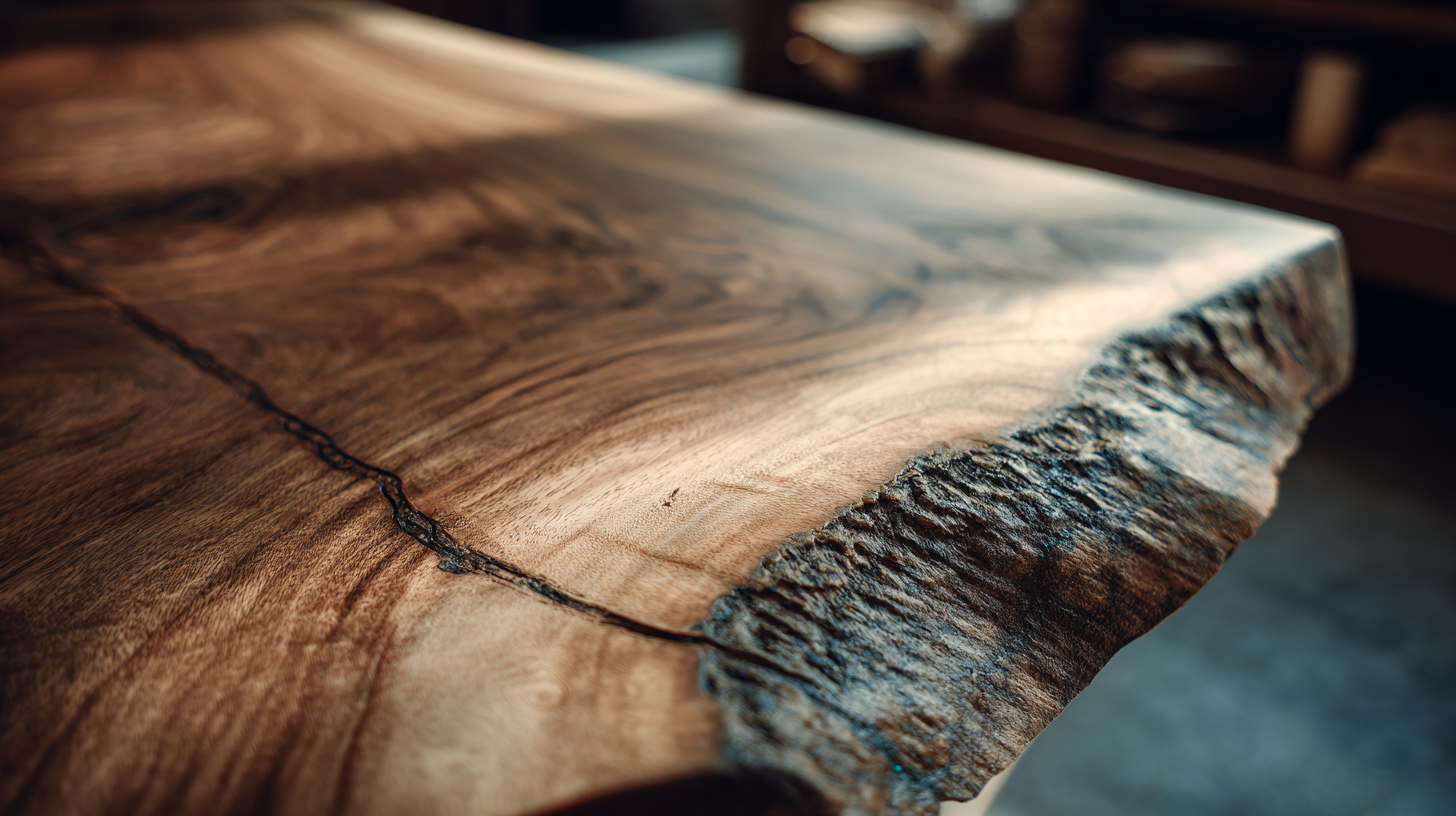
Hardwood table tops are not just aesthetically pleasing; they are a smart investment when it comes to sustainability, thanks to their remarkable longevity. Unlike other materials that may wear out or become outdated quickly, hardwood is known for its durability and timeless appeal. A well-crafted hardwood table can last for generations, reducing the need for frequent replacements and minimizing waste. This longevity aligns perfectly with sustainable living, as it encourages mindful purchasing decisions that favor quality over quantity.
**Tips for Choosing Hardwood Table Tops:**
1. **Look for Sustainable Sources:** When shopping for hardwood, seek certifications such as the Forest Stewardship Council (FSC) label, ensuring that the wood is harvested responsibly.
2. **Choose Local Suppliers:** Opting for locally sourced hardwood not only supports local economies but also reduces the carbon footprint associated with transportation.
3. **Invest in Maintenance:** Regularly maintaining your hardwood table with oils or finishes can extend its life significantly, making your initial investment even more worthwhile.
By choosing hardwood for your table tops, you’re making a decision that benefits both your home decor and the environment. This commitment to sustainability is not just a trend; it’s a timeless approach that values durability and conscientious living.
Comparative Longevity of Various Table Top Materials
This chart illustrates the average lifespan of different table top materials in years, emphasizing the sustainability aspect of hardwood tables compared to other materials.


 +8618702197143