How to Choose the Best Swivel Chairs for Your Needs?
Choosing the right Swivel Chairs starts with how you plan to use them, not just how they look in a showroom. A chair beside a desk has different demands from one placed around a dining table or in a quiet reading corner. Measure the available space, including room for the chair to turn and slide back. A compact seat may suit a narrow room, while a wider model can feel more comfortable during longer sessions. Small details matter.
Consider seat height, back support, armrests, and the feel of the upholstery. If possible, compare measurements with a chair you already find comfortable. Check the listed weight capacity, base construction, and warranty, too; product specifications offer useful clues, but they cannot tell you exactly how a chair will feel at home. That part is personal.
Think about the floor beneath it. Casters can be convenient on some surfaces, while a fixed base or protective mat may work better elsewhere. The swivel should turn smoothly without making the chair feel unstable. Not every feature is worth paying extra for. A plush seat might look inviting, yet become warm during long use; a sleek design may offer less back support than expected. It is easy to miss that.
This guide explores practical ways to compare styles, materials, comfort, and value before you choose. The best fit is the one that suits your room and daily habits, not simply the most popular model. A little measuring helps.
Identify Your Intended Use and Seating Requirements
Before comparing swivel chairs, identify where you will use one and how long you will sit. A chair for a home office may need adjustable height, a supportive back, and smooth movement around a desk. For a reading corner, a softer seat and a quiet swivel may matter more. Start with the task. Note the desk height, available floor space, and whether you need to reach shelves or turn toward other people. These details shape comfort more than appearance alone.
Think about who will use the chair and how often. If several people share it, adjustable seat height and easy-to-reach controls can make daily use simpler. For longer sessions, check that your feet rest flat on the floor and that the seat supports your thighs without pressing behind your knees. Small details matter. If possible, sit in a similar chair for several minutes; a quick showroom test can miss pressure that appears later. I have found it easy to focus too much on cushioning, though it cannot make an unsuitable seat height feel right. Measure the space, too: a wide swivel base may catch on a rug or crowd a narrow desk. Consider cleaning needs, pets, and everyday wear before deciding. Comfort is personal, and your first choice may not be perfect.
Compare Swivel Chair Types and Their Functions
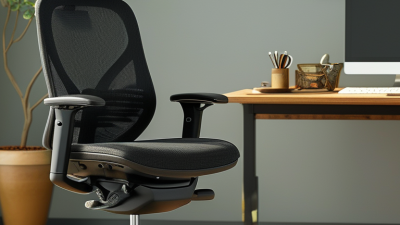
Swivel chairs serve different tasks, even when their shapes look similar. An office task chair usually has adjustable height, a supportive back, and wheels for moving between a desk and nearby shelves. It suits changing work positions, but wheels can slide on hard floors. A chair mat may help.
Check that the seat height lets your feet rest flat and your elbows meet the desk comfortably.
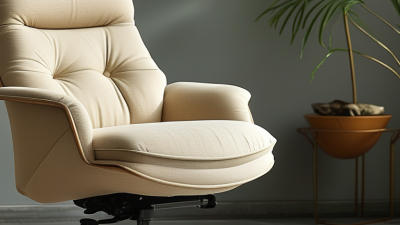
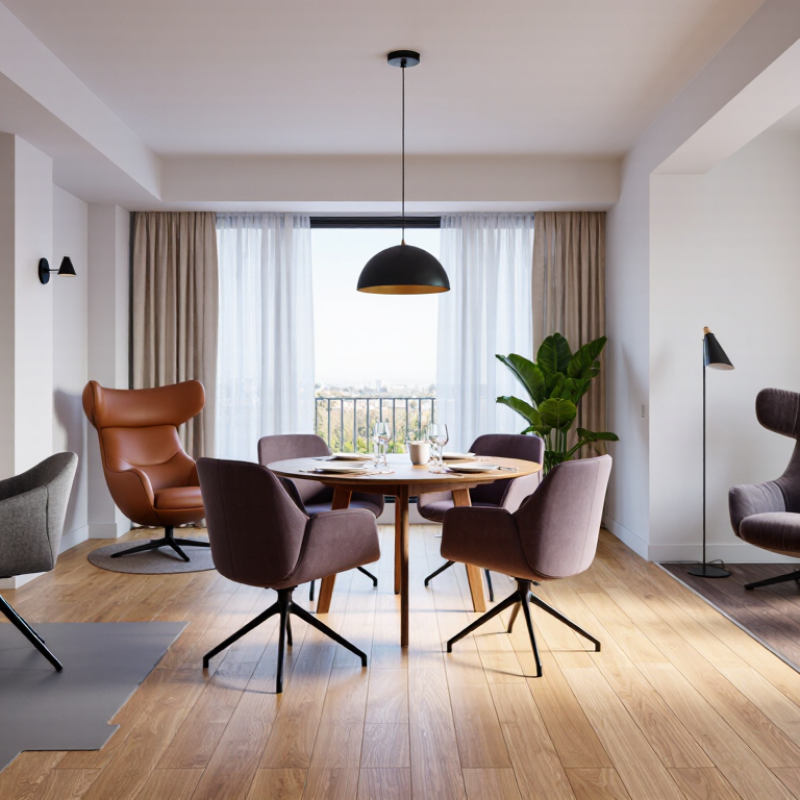
For relaxed seating, a swivel lounge chair often has a wider seat and a lower, softer back. It works well beside a reading lamp or in a living room, though thick cushions may feel warm during long use. Dining and counter-height swivel chairs make it easier to turn toward conversation without shifting the whole chair.
Match the seat height to the table, and check for a footrest if the seat is tall. Small details matter.
Drafting chairs are taller and often include a foot ring, which supports the legs at a raised work surface. They can feel awkward at a standard desk. A compact armless swivel chair fits narrow spaces, but offers less support during long sessions.
There is no perfect type for every room. Measure the space, consider how often the chair will move, and test its turning range. People sometimes focus on appearance first; that choice can disappoint when the chair bumps a wall or blocks a walkway.
Evaluate Materials, Features, and Construction Quality
A swivel chair should feel stable before it looks stylish. Compare upholstery by how it handles daily contact: tightly woven fabric can resist snags, while leather-like surfaces wipe clean but may feel warm. Press the seat and inspect its seams. Thin padding can flatten, and loose stitching is difficult to ignore later. Small details matter.
Construction deserves close attention. ANSI/BIFMA X5.1-2017, an industry performance standard, includes a 100,000-cycle seat durability test. That benchmark is useful, but it does not guarantee every chair will suit every body or room. Check the published weight rating, base material, caster fit, and whether the swivel feels smooth without wobbling. Listen, too. A click or scrape may be minor, but it is worth asking about. It is easy to overrate a polished finish.
Features should solve real problems. Adjustable seat height helps align feet with the floor; armrests should not force shoulders upward. For long sessions, look for a backrest that supports your posture and a tilt mechanism that moves predictably. Test the chair on your actual flooring if possible. Hard casters can roll quickly on wood, while softer casters may grip better. I would not judge comfort from a brief showroom sit alone; a few minutes rarely reveal how the seat feels after an hour.
How to Choose the Best Swivel Chairs for Your Needs?
Compare common structural materials by approximate density. These reference values vary by grade, moisture content, and manufacturing process.
How to use this chart: Density is not a measure of chair quality or strength by itself. When choosing a swivel chair, also check its stated load capacity, base stability, adjustment mechanism, and upholstery durability.
Compare Safety, Durability, Maintenance, and Cost
When comparing swivel chairs, start with safety, not appearance. Check the stated weight limit and choose a stable base that suits the user and floor. A five-point base can reduce tipping risk, while smooth-rolling casters should match the surface. On hard floors, unsuitable wheels may slide or leave marks. Test the chair gently: it should turn without wobbling, and the seat should not shift under ordinary movement. Small details matter.
Durability depends on more than a heavy frame. Look for sturdy joints, a firm seat pan, and upholstery that can handle daily friction. If possible, inspect stitching and sit for several minutes; a chair that feels supportive at first may become uncomfortable. Maintenance also affects long-term value. Wipeable fabric is practical around food or frequent spills, while mesh can collect dust in tight corners. Check whether replacement casters or cushions are available. They may not be.
Compare the full cost, including assembly, cleaning supplies, and likely repairs. A lower price can be reasonable for occasional use, but a chair used for long workdays needs dependable support. I would still avoid paying extra for features that rarely get used. The right balance depends on who will sit, how often, and where the chair will roll.


 +8618702197143