Solid Oak Table Top Benefits and Buying Guide for Buyers
When considering furniture, a Solid Oak Table Top stands out for its durability and aesthetic appeal. According to the National Wood Flooring Association, oak is among the most popular hardwoods in the U.S., known for its strength and resistance to wear. “A solid oak table top can last a lifetime if properly cared for,” says furniture expert Mark Thompson. His insights highlight the longevity of oak in high-traffic environments.
Choosing a Solid Oak Table Top means investing in quality. The grain patterns and rich colors of oak add natural beauty to any space. Reports suggest that oak can enhance the resale value of a home, making it a smart purchase for homeowners. However, it's essential to be aware of potential issues. For example, oak can warp in humid conditions if not sealed well.
Considering these factors, buyers should evaluate their needs carefully. The right choice can complement your home for years. A solid oak table top is not just furniture; it’s a statement piece. With thoughtful care and attention, it will bring warmth and elegance to your living space.
Benefits of Solid Oak Table Tops: Durability and Longevity
Solid oak table tops are renowned for their durability and longevity. Unlike other materials, oak possesses a natural resistance to wear and tear. This makes it an ideal choice for households with kids and pets. The sturdy nature of oak means that it can withstand daily use without easily succumbing to scratches or dents. Its dense grain structure also helps in maintaining its beauty over time.
When selecting a solid oak table top, consider its finish. A high-quality finish can enhance durability. Look for options like polyurethane or oil that bolster resistance against spills and stains. Regular maintenance is key; simply clean it with a soft cloth and periodically reapply protective treatments.
While oak is generally resilient, it’s not invincible. Avoid placing hot items directly on the surface to prevent scorch marks. Be mindful of excessive moisture, as prolonged exposure can damage the wood. Understanding these nuances can help you enjoy your solid oak table for years to come.
Aesthetic Appeal: How Solid Oak Enhances Your Interior Design
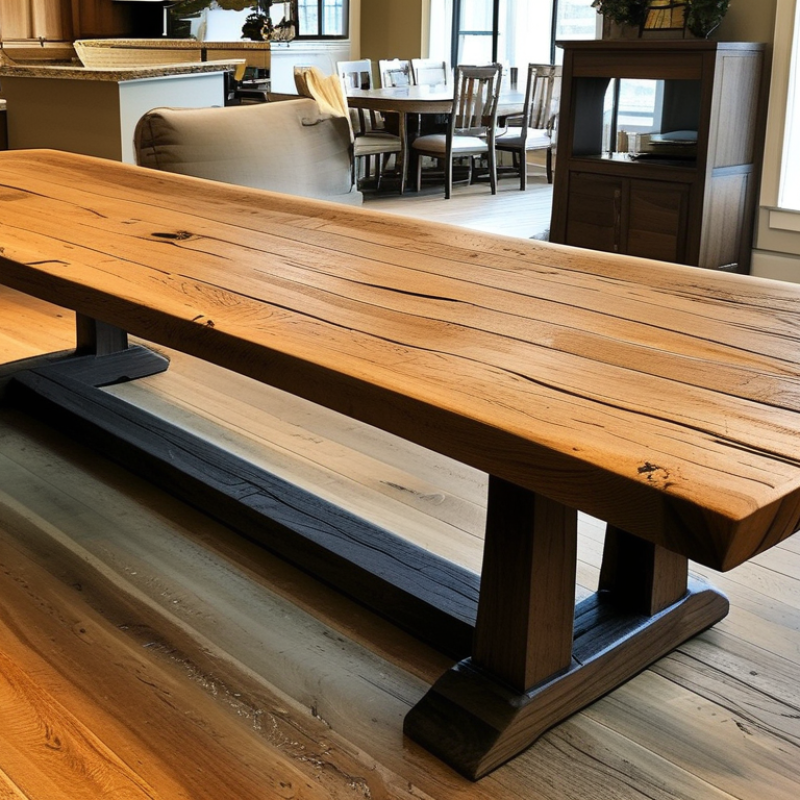
Solid oak tables bring warmth and beauty to any space. Their rich grain patterns and natural hues catch the eye instantly. Each table has a unique character, showcasing the beauty of nature. This uniqueness can elevate your interior design, making a room feel inviting and authentic.
The versatility of solid oak is undeniable. It complements various styles, from rustic to modern. You can dress it down with simple decor or enhance it with elegant accessories. However, it is essential to consider the maintenance needed. Oak can be sensitive to humidity and scratches. Regular care is necessary to keep it looking its best.
When selecting a solid oak table, think about the size and shape. A larger table can serve as a focal point in a dining room. However, a smaller one might be better for cozy spaces. Take your time assessing your needs. Rushing can lead to choices you'll regret later. Each decision you make shapes your home's aesthetic. Aim for a balance that feels just right for you.
Factors to Consider When Buying a Solid Oak Table Top
When considering a solid oak table top, several key factors come into play. The wood's durability is crucial. Oak is known for its strength and resilience. However, it can be heavy, which might be a challenge during installation or rearrangement. Choose a thickness that balances sturdiness with manageability. A standard thickness is typically around 1.5 inches, offering both strength and style.
Another important aspect is the finish. Oak can be finished in various ways, affecting its appearance and maintenance. A matte finish offers a rustic look but may require more frequent touch-ups. Glossy finishes are easier to clean but may show scratches more easily. Ensure you consider how much time you can dedicate to upkeep when selecting the finish.
**Tips:** Stick with sealed edges to avoid moisture absorption. This helps in maintaining longevity. Additionally, always check the grain patterns of the oak. A more uniform grain often indicates higher quality. If you’re uncertain, consult a professional for guidance. Quality materials matter, but sometimes, the best choice may be visually imperfect woods that offer character.
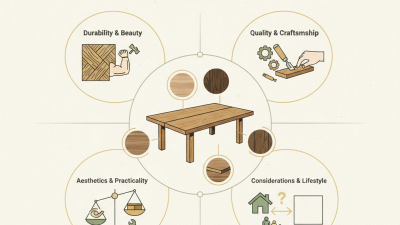
Solid Oak Table Top Benefits Analysis
Care and Maintenance Tips for Solid Oak Table Tops
Caring for solid oak table tops is essential for long-lasting beauty. Oak is naturally durable, but it still requires proper maintenance to prevent wear. According to the National Wood Flooring Association, regular care can extend the life of wood furniture significantly—up to 50 years or more with the right practices.
Dusting your table weekly with a soft cloth is crucial. This simple step removes abrasive particles that can scratch the surface. Additionally, using coasters and placemats can protect your oak from moisture and heat damage. Remember to avoid harsh chemicals; they can strip the natural oils from the wood, leading to dryness.
Periodically, consider oiling your table top. This can help maintain its rich color and luster. A report from the American Institute of Wood Technology suggests using mineral oil or a specialized wood conditioner every three to six months. Pay attention to surface scratches. Light scratches can often be buffered out with fine steel wool, while deeper ones might need sanding and refinishing. Keep in mind, over-sanding can create uneven surfaces, leading to further issues down the line. Embrace the imperfections; they tell a story.
Comparing Solid Oak with Other Table Top Materials
When choosing a table top, solid oak stands out for several reasons.
It offers a unique blend of strength and beauty. Oak wood is known for its durability, making it a reliable option for everyday use.
Unlike manufactured materials, solid oak develops a rich patina over time, enhancing its charm.
In comparison, materials like laminate or particleboard may look appealing initially but often lack longevity.
These synthetic options can warp and scratch easily. Solid oak, on the other hand, can withstand heavy use.
It can be sanded and refinished, maintaining its integrity for years.
However, buyers should be aware of the weight of solid oak.
It is significantly heavier than lighter materials. This can complicate moving or rearranging furniture.
Another consideration is the cost. Solid oak tends to be more expensive upfront.
Yet, its lifespan can make it a worthy investment.
While some may prefer lower-priced alternatives, they might find themselves replacing those products sooner.
Weighing the long-term benefits against the initial cost is essential for making an informed choice.


 +8618702197143