Top 10 Benefits of Choosing a Hardwood Table Top for Your Home?
When considering home decor, the choice of a Hardwood Table Top can make a significant impact. This decision reflects not just taste but also functionality and durability. Hardwood tables are known for their timeless beauty and robust nature. They can enhance any dining experience or workspace with warmth and richness.
Investing in a Hardwood Table Top offers numerous benefits. They are resistant to wear and tear, making them ideal for daily use. Their longevity means they can withstand the rigors of family life. Over time, the table develops a unique character, showcasing the beauty of natural materials. However, one must be mindful of maintenance. Proper care is essential to keep the table looking its best.
Choosing a Hardwood Table Top is a choice for the present and future. It embodies quality and reliability that other materials may lack. Yet, it requires more than just choosing the right wood. Consideration of style, finish, and how it fits your space is crucial. Delight in the aesthetic while reflecting on the practical implications of your choice.
The Long-Lasting Durability of Hardwood Table Tops Compared to Alternatives
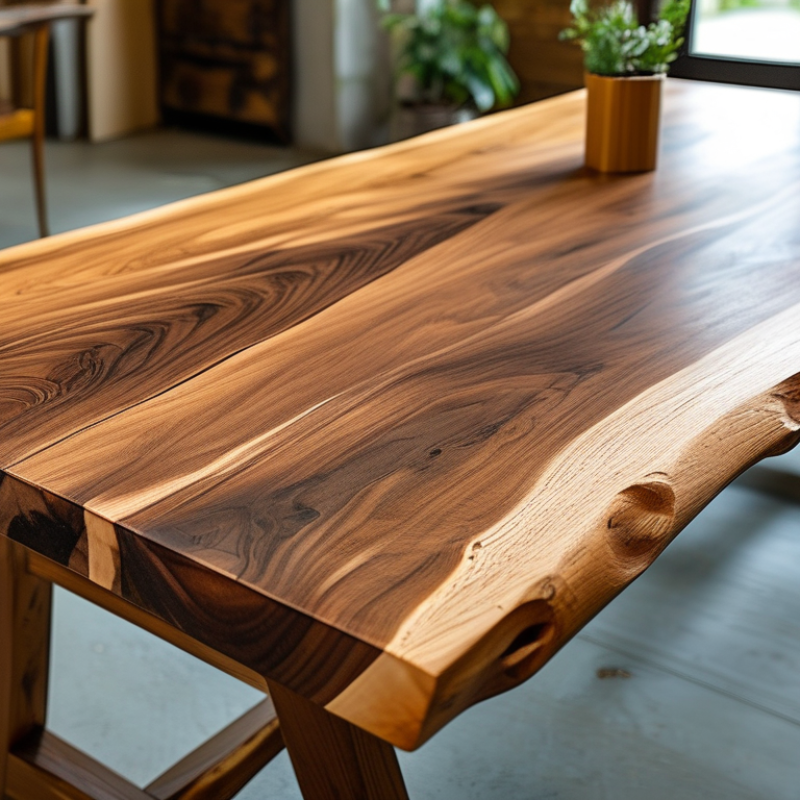
Hardwood table tops are often praised for their unmatched durability. According to the National Hardwood Lumber Association, hardwood can last over 100 years with proper care. This longevity surpasses many alternative materials, such as particleboard or MDF, which may fail within a decade. In terms of scratch resistance, hardwood surfaces can withstand daily use better, maintaining their appearance even in busy households.
Moreover, the quality of hardwood offers another crucial benefit. The Janka hardness test measures wood durability. Oak, for instance, rates around 1,300, while softer materials like pine score below 700. This resistance to dents and wear makes hardwood tables ideal for family life. However, potential buyers should consider environmental impacts and sourcing practices. Sustainable forestry is vital for protecting our forests.
Preserving the beauty of hardwood table tops requires regular maintenance. Applying oils and avoiding direct sunlight can enhance their lifespan. Although this adds responsibility, the value gained from a well-maintained hardwood table is significant. This balance of durability and care is essential in making your home both stylish and lasting.
Aesthetic Appeal: How Hardwood Enhances Interior Design Choices
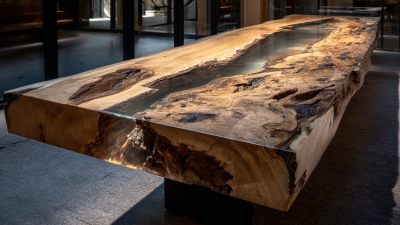
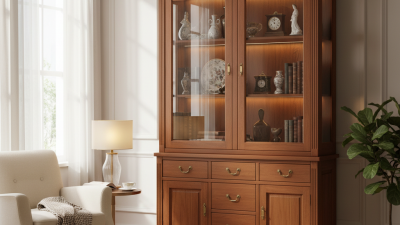
Hardwood table tops bring a unique beauty to any home. The natural grain patterns and rich colors add warmth to a space. Each piece of hardwood tells its own story. This individuality enhances your interior design choices. You can match hardwood with various styles, from rustic to modern.
Selecting a hardwood table top can pose challenges. Not all hardwoods suit every environment. Some woods may darken over time. Others may scratch easily. It's essential to consider the right type for your lifestyle. A dining room table should be durable, while a side table can be more decorative.
The aesthetic appeal of hardwood fosters a sense of comfort. It invites gatherings, making any meal special. When paired with the right decor, hardwood elevates the overall atmosphere. The tactile experience of wood under your fingertips adds to its allure. Consider how light interacts with the surface. This can completely change how a space feels. By taking time to reflect on these factors, you can make more informed choices.
Top 10 Benefits of Choosing a Hardwood Table Top for Your Home
Health Benefits of Choosing Natural Hardwood Over Synthetic Materials
Natural hardwoods offer numerous health benefits, distinguishing them from synthetic materials. Research indicates that hardwood surfaces are less likely to harbor harmful bacteria. Studies show that wooden surfaces can reduce bacterial growth by up to 99%, enhancing safety in homes, especially for families with young children.
One significant advantage of hardwood is its ability to regulate indoor humidity. This natural material absorbs moisture and releases it as needed. A study by the National Wood Flooring Association highlights that hardwood can improve air quality by minimizing dust and allergens. This is particularly beneficial for individuals with respiratory issues or allergies.
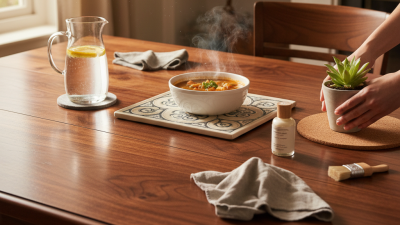
**Tip:** Regularly clean your hardwood table with a damp cloth to maintain its beauty and hygiene.
While hardwood is generally considered safe, it is essential to choose sustainably sourced options. Overharvesting can lead to environmental disruptions. Reflecting on that, opting for certified hardwood ensures responsible sourcing and supports conservation efforts.
**Tip:** Always verify the sustainability certification when purchasing hardwood furniture.
Environmental Sustainability of Sourced Hardwood in Home Furnishings
Hardwood table tops offer unmatched durability and aesthetic appeal. However, their environmental sustainability is often overlooked. Choosing sourced hardwood means supporting responsible forestry practices. Many suppliers prioritize reforestation and sustainable harvesting methods. These initiatives help preserve ecosystems and promote biodiversity.
When selecting hardwood, it’s crucial to know its origin. Some forests are managed sustainably, while others face deforestation. Purchasing certified wood ensures that the materials come from sources that do not harm the environment. This choice reflects a commitment to conserving natural resources.
Not all hardwood is equal in environmental impact. The transportation of wood adds carbon emissions. Local sourcing can mitigate this issue. Opting for regionally harvested hardwood reduces the carbon footprint significantly. While the benefits of hardwood are clear, taking time to understand sourcing standards is essential for making informed choices.
Top 10 Benefits of Choosing a Hardwood Table Top for Your Home
| Benefit |
Description |
Environmental Impact |
| Durability |
Hardwood tables are robust and can last for generations. |
Longer lifespan reduces waste and the need for replacements. |
| Aesthetic Appeal |
Provides a warm, natural look that enhances interior decor. |
Natural wood finishes use fewer chemicals than synthetic options. |
| Sustainability |
Sourced sustainably, many hardwoods are managed properly. |
Responsible forestry practices help preserve ecosystems. |
| Versatility |
Fits various styles from traditional to modern. |
Adaptability reduces the need for additional materials. |
| Easier to Repair |
Scratches and dents can be sanded down or refinished. |
Increased longevity leads to lower resource consumption. |
| Increase Property Value |
Hardwood adds significant value to your home. |
Valuable materials promote conservation and responsible sourcing. |
| Improved Indoor Air Quality |
Natural wood doesn't emit VOCs like some composites. |
Less chemical off-gassing contributes to healthier surroundings. |
| Comfort |
Hardwood stays warmer in winter and cooler in summer. |
Comfort in living spaces can reduce energy consumption. |
| Customizability |
Can be custom-designed to fit specific needs and tastes. |
Individual customization encourages creative use of materials. |
| Timelessness |
Hardwood furniture never goes out of style. |
Longevity in use decreases the volume of discarded furniture. |
Cost-Effectiveness: The Value of Investing in Quality Hardwood Table Tops
Choosing a hardwood table top can be a wise decision for any home. One major factor is cost-effectiveness. While the initial investment may be higher compared to other materials, hardwood table tops often outlast their cheaper counterparts. They resist wear and tear better, which means fewer replacements over time. This durability leads to savings in the long run.
Hardwood surfaces continue to gain value. Their timeless appeal complements various home styles. Maintenance is relatively simple, requiring only occasional oiling or refinishing to keep them looking new. Considering these factors, buying a hardwood table top can feel less like a luxury and more like a necessity for long-term savings.
Reflections on upfront costs may arise. It can be tempting to opt for cheaper materials. However, in the context of a family environment where spills and scuffs are common, the value of hardwood becomes clear. Investing in quality prevents future hassle. It also enhances your living space’s aesthetic, making it a centerpiece for gatherings.


 +8618702197143