2026 Top Wooden Dining Chairs for Your Home Design Needs?
The dining room serves as the heart of the home. A well-designed space can enhance family gatherings. Among the top choices for furniture, wooden dining chairs stand out for their timeless appeal and durability. According to a recent industry report, the wooden furniture market is set to grow at a CAGR of over 5% from 2022 to 2028.
Wooden dining chairs offer versatility in design. They complement both modern and traditional aesthetics. While offering warmth and comfort, the material also poses sustainability challenges. The choice of wood type significantly impacts durability and environmental footprint. Many consumers are becoming more thoughtful about these factors when selecting their dining chairs.
However, not all wooden dining chairs are created equal. Some may lack the craftsmanship needed for longevity. It's essential to consider details like joint construction and finish quality. Investing in better options not only enhances your home design but also supports ethical sourcing. The right wooden dining chairs can transform your dining experience while echoing your commitment to sustainability.
2026 Trends in Wooden Dining Chair Designs for Modern Interiors
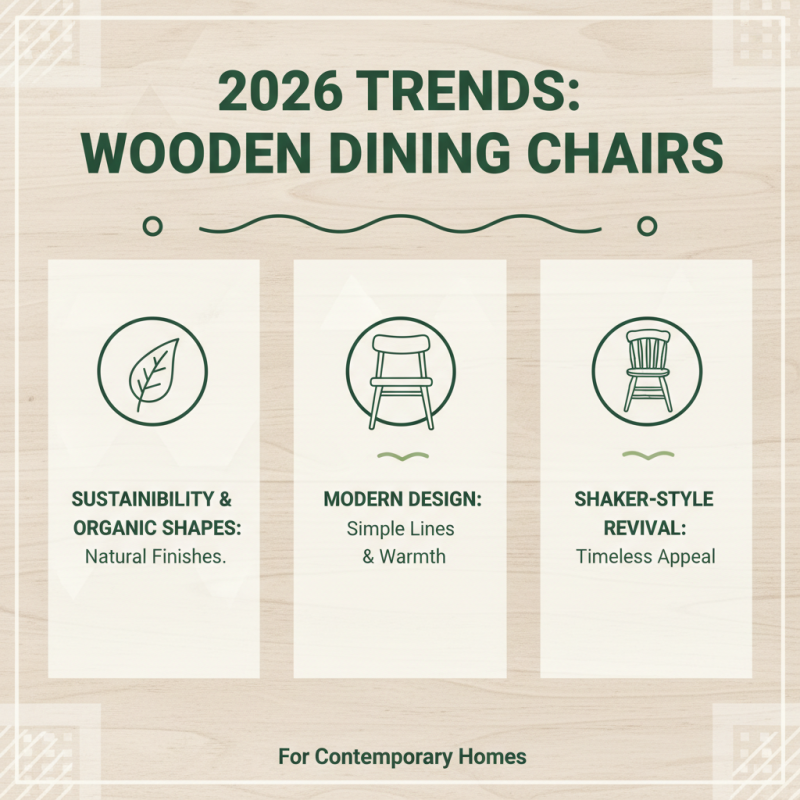
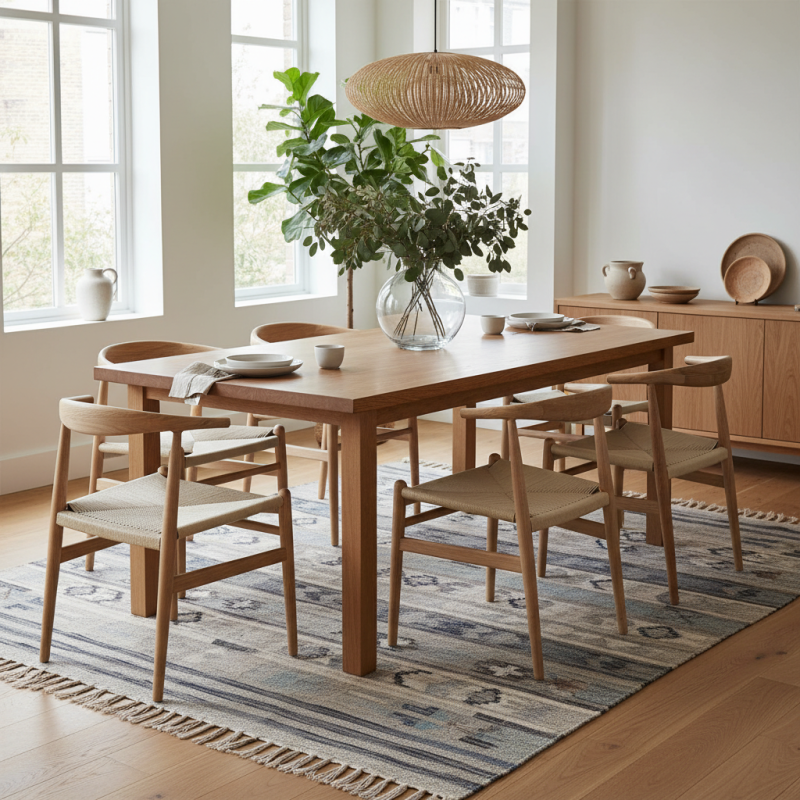
In 2026, wooden dining chairs will reflect a blend of sustainability and modern design. Natural finishes and organic shapes will dominate the market. Shaker-style chairs, with their simple lines, will regain popularity. They bring warmth and a timeless feel to contemporary homes.
Expect to see more bold colors in wooden dining chairs. Deep greens and muted blues will make a statement in dining areas. Some designs will even feature unexpected textures, like woven backrests. These additions invite curiosity and conversation around the dinner table.
But not all designs will succeed. Some may look beautiful but lack comfort. It's crucial to balance aesthetics and usability. Homeowners might find themselves regretting choices made solely for style. Thoughtful design will be key in creating inviting spaces.
Material Selection: Types of Wood Preferred for Dining Chairs in 2026
When selecting wooden dining chairs for 2026, material choice is crucial. Many designers favor hardwoods like oak, walnut, and maple due to their durability and aesthetic appeal. Recent industry reports indicate that hardwoods make up over 70% of the dining chair market. Oak, in particular, boasts a strong grain that adds character to any space. Yet, some might find its price point daunting.
Softwoods like pine are also gaining traction. They are lighter and tend to be cheaper, appealing to budget-conscious consumers. However, these materials may wear out faster. It’s a trade-off between cost and longevity. Consumers often overlook this when rushing to fill their homes. Bamboo is another trendy choice. It’s eco-friendly and surprisingly strong. Yet, there’s a need for more quality control, as poorly made bamboo chairs can splinter easily.
The finish on wooden chairs also matters. Many prefer natural or matte finishes to highlight the wood's beauty. Glossy finishes can hide imperfections but might not age well. In a survey conducted by furniture manufacturers, 65% of participants noted they value sustainability over style. As preferences shift, the challenge lies in balancing aesthetics with thoughtful sourcing.
Sustainability in Production: Eco-Friendly Practices in Dining Chair Manufacturing
The dining chair market is shifting. Consumers are increasingly favoring
eco-friendly practices.
According to a recent industry report, over 70% of buyers consider
sustainability important when purchasing furniture. This change is driving manufacturers to adopt
greener production methods.
Many companies now use reclaimed wood. It reduces waste and lessens the need for new timber. One study found that using reclaimed materials can cut
carbon emissions by up to 60%. Yet, not all reclaimed wood is reliable. Sourcing quality materials
can be challenging. This aspect requires careful consideration.
Sustainable practices also extend to production processes. Many manufacturers are experimenting with
water-based adhesives and non-toxic finishes.
These choices are healthier for consumers and the environment. However,
transparency remains a concern in the industry. Not all brands disclose their sourcing or production methods.
This lack of clarity can mislead consumers. Awareness and education are essential for making
informed choices.
Market Insights: Sales Data and Consumer Preferences for Wooden Chairs in 2026
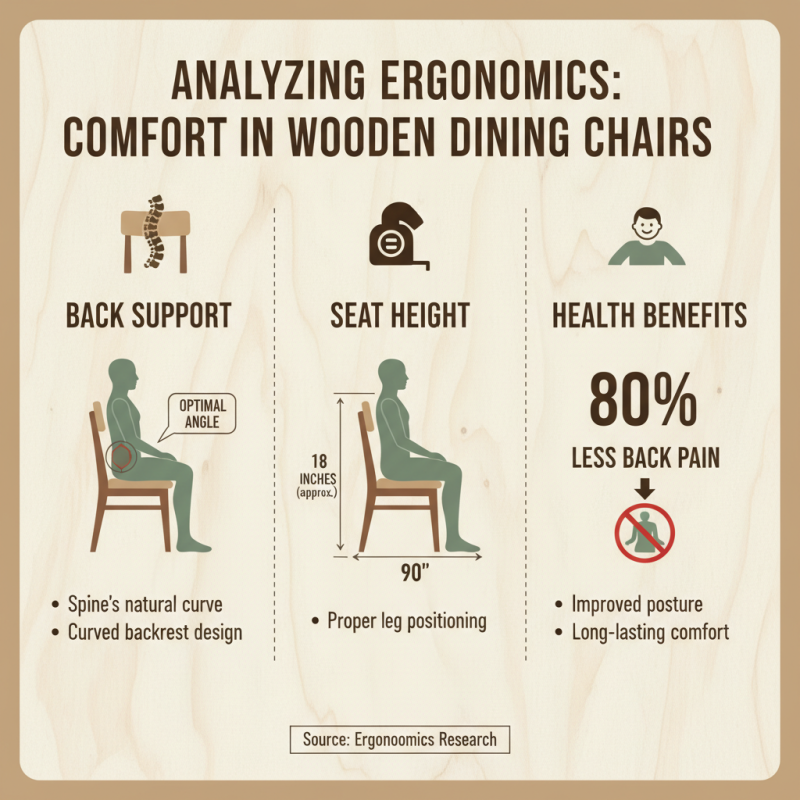
The wooden dining chair market in 2026 shows diverse trends. Consumers increasingly prefer sustainable materials. Many look for timeless designs that can fit in various homes. A significant portion of buyers seeks comfort alongside style.
Sales data indicates a rise in eco-friendly options. Shoppers are willing to pay more for ethically sourced wood. However, some preferences still lean towards flashy aesthetics over functionality. Specific features like ergonomic designs are gaining attention. Yet, many still overlook the importance of durability.
While the market evolves, some challenges persist. Not every product meets customer expectations. Quality may vary widely among different manufacturers. Buyers often report dissatisfaction with delicate finishes. The need for reliable reviews is more pressing than ever. Insights from sales data reveal gaps in consumer knowledge.
2026 Wooden Dining Chair Sales Data


 +8618702197143