Top Wooden Tables For Restaurants That Enhance Dining Experience?
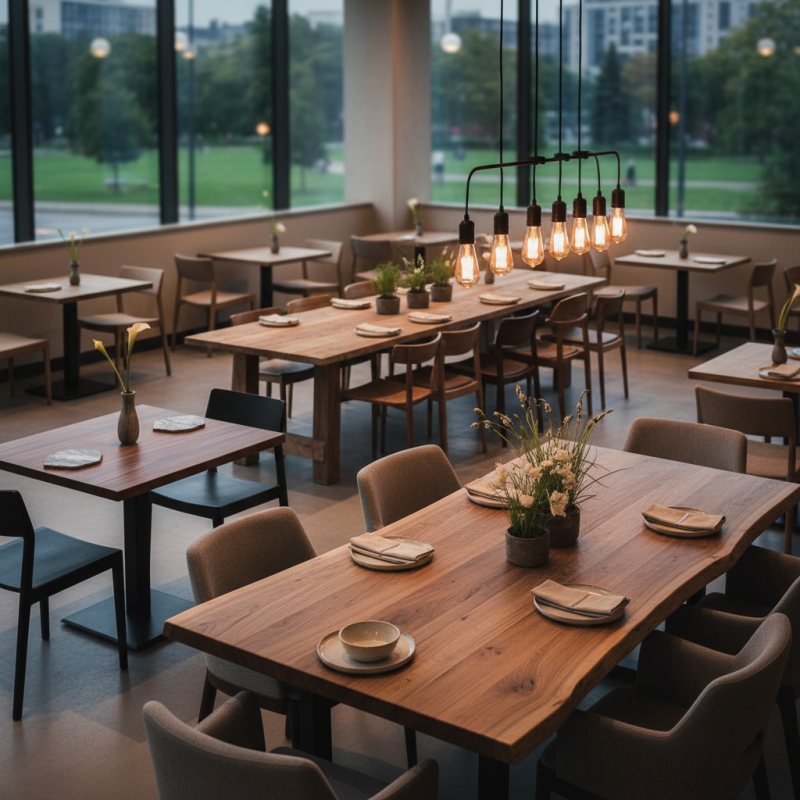
In the competitive realm of dining, creating an inviting atmosphere is crucial. Wooden tables for restaurants play a significant role in enhancing the overall experience. Renowned interior designer Sarah Thompson emphasizes, "The right table can transform a meal into a memorable occasion."
Choosing the ideal wooden tables for restaurants involves more than aesthetics. Functionality matters, too; tables must be durable and easy to clean. However, some may overlook the importance of comfort. A beautiful table can fall short if it doesn't support social interactions effectively.
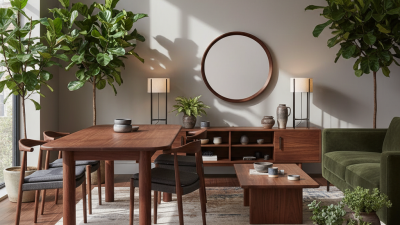
Additionally, the wood type can impact the ambiance. Rustic oak tables evoke coziness, while sleek walnut adds modern flair. Reflecting on choices is essential; sometimes, what seems trendy today may not stand the test of time. Balancing practical needs and style can be challenging, but it is vital for creating a unique dining experience.
Characteristics of Ideal Wooden Tables for Restaurants
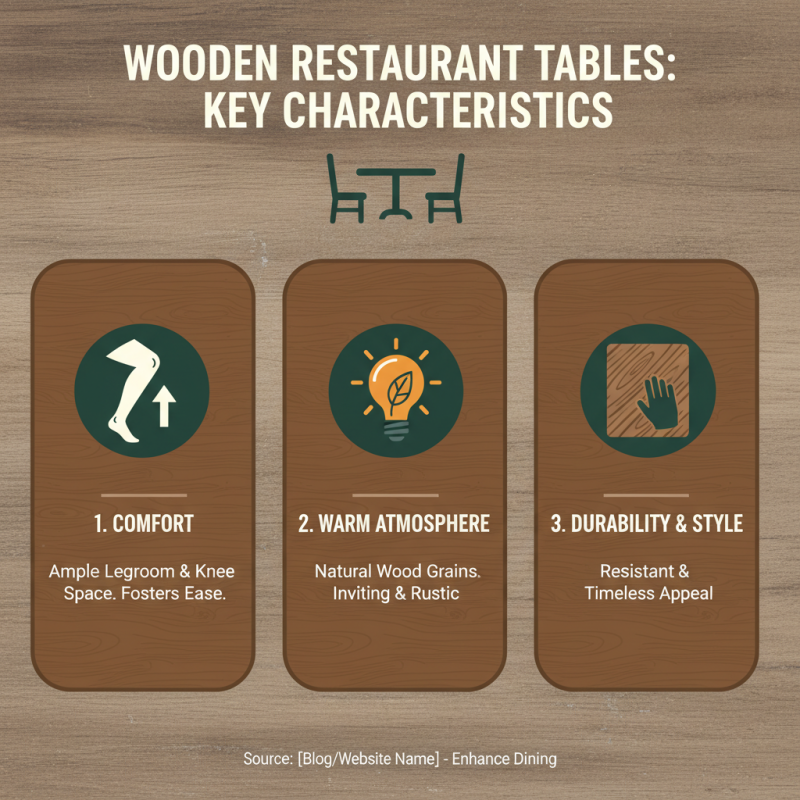
When selecting wooden tables for restaurants, several key characteristics enhance the dining experience. Comfort is paramount. Tables should offer ample space for diners’ knees and legs. This fosters a sense of ease during meals. The materials used need to contribute to a warm and inviting atmosphere. Customers enjoy the rustic appeal of natural wood grains.
Sturdiness and durability are also important. Tables must withstand daily use and cleaning. Scratches and dents over time can detract from their appeal. A well-crafted table can become a conversation piece. However, not all wood tables provide this. Thin materials may lead to wobbling.
The height of the tables also matters. They should align well with the chairs. A mismatch can lead to discomfort. Aesthetics play a role too. Tables that complement the restaurant's theme draw attention. However, practicality should not be overlooked. Sometimes, the ideal balance is hard to achieve. Thus, evaluating these aspects helps refine choices for improved dining experiences.
Types of Wood and Their Impact on Aesthetic Appeal
When designing a restaurant, the choice of wood for tables plays a crucial role in creating an inviting atmosphere. Different types of wood bring unique characteristics that affect visual appeal. Dark woods like mahogany create a sense of elegance and warmth. They also invite customers to linger longer over meals. This elegant setting sometimes feels a bit stiff. It may not suit every dining style.
On the other hand, lighter woods such as maple or birch offer a fresh, airy feel. They create a more casual dining experience. Customers often feel relaxed in such environments. However, lighter woods can show signs of wear more quickly, requiring extra care. Restaurants must think about maintenance when choosing materials. Each type of wood influences how diners perceive the space.
Textures also play a part. A rustic oak table with visible grains adds character. It tells a story, inviting diners to share moments. Yet, such tables may not appeal to everyone. Some might prefer sleek finishes for a modern vibe. Experimentation with wood types can lead to surprising results. Balancing aesthetics with practicality makes a restaurant unique.
Top Wooden Tables For Restaurants That Enhance Dining Experience
| Type of Wood |
Aesthetic Appeal |
Durability |
Maintenance |
Common Uses |
| Oak |
Rich grain with warm tones |
Very durable and resistant to wear |
Easy to maintain, requires occasional oiling |
Formal dining and traditional restaurants |
| Maple |
Light color with a smooth finish |
Strong and durable, resistant to scratches |
Low maintenance, easy to clean |
Cafes and modern eateries |
| Walnut |
Dark, rich color and deep grain |
Very durable, less likely to warp |
Requires regular polishing |
Upscale restaurants and bars |
| Teak |
Golden-brown hue with a unique grain pattern |
Extremely durable and water-resistant |
Minimal maintenance, weather-resistant |
Outdoor dining and coastal restaurants |
Design Considerations for Comfort and Functionality
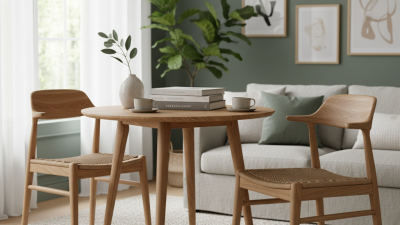
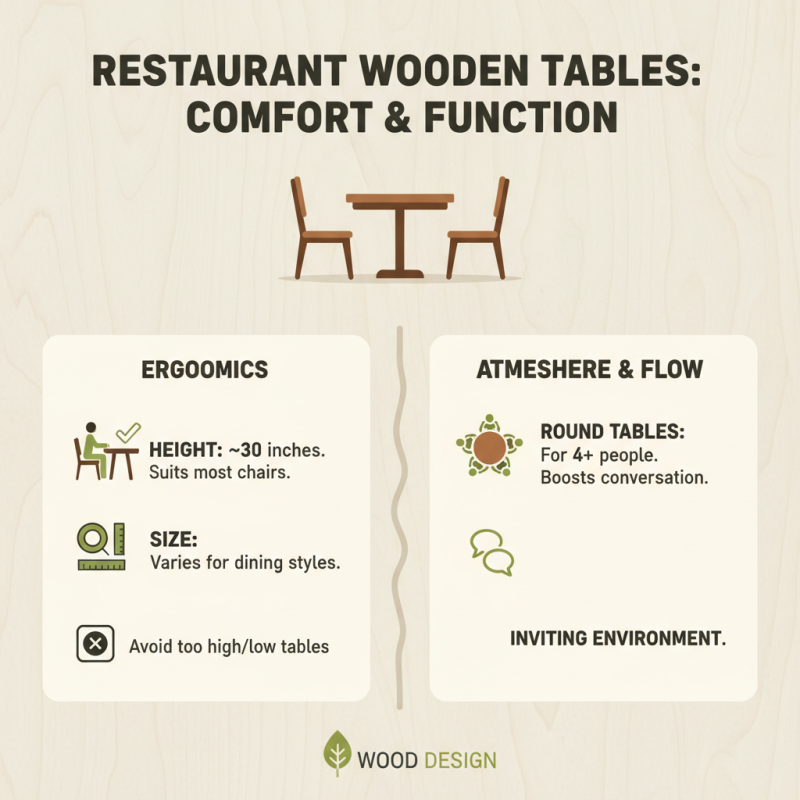
When designing wooden tables for restaurants, comfort and functionality are key. The height and size of the tables should suit various dining styles. Ideal table height accommodates most chairs, allowing guests to sit comfortably for long meals. A table that's too high or low can ruin the experience. Consider round tables for larger parties. They foster conversation and make the dining environment more inviting.
Material choice plays a crucial role too. It’s important to select durable wood that withstands wear. Light woods like maple can brighten up a space, while darker options like walnut offer a cozy feel. A smooth finish is essential, but rough edges can be uncomfortable. Many tables also incorporate space for plates and utensils, enhancing functionality.
However, aesthetics shouldn’t overpower practicality. The design must flow with the restaurant's theme without sacrificing comfort. Ahead-of-time planning helps prevent awkward layouts. Try to avoid tables that look impressive but are hard to fit into the overall space. Each decision should prioritize the guest’s experience while embracing the restaurant’s identity.
Maintenance Tips for Longevity of Wooden Tables
Wooden tables can greatly enhance the dining experience in restaurants. However, proper maintenance is essential for longevity. According to a report from the Wood Furniture Association, regular care can extend the lifespan of wooden tables by up to 30%. Simple actions can make a significant difference.
Routine cleaning is crucial. Use a soft, damp cloth to wipe surfaces. Avoid harsh chemicals that can strip the wood’s finish. Moisture can be a silent enemy. Ensure that spills are immediately dried to prevent stains or warping. A weekly polish with a suitable product is recommended. This adds a layer of protection and enhances shine.
In addition to cleaning, consider environmental factors. High humidity can cause wood to swell. Conversely, dry air can lead to cracks. Restaurant owners should monitor conditions routinely. Investing in a hygrometer can help maintain optimal levels. Though diligent care may seem time-consuming, the outcome is worth it. Tables that withstand wear and tear contribute positively to the dining atmosphere and customer satisfaction. Regular attention yields quality experiences.
Integrating Tables into Overall Restaurant Ambiance
The right wooden tables can greatly enhance a restaurant's atmosphere. Each table tells a story—its texture and finish contribute to the overall vibe. Consider how the wood complements your decor. A rustic finish might suit a cozy bistro, while sleek lines could work for a modern eatery.
Tips: Think about sizes and shapes. Round tables promote conversation. Long, communal tables create a sense of community.
Don't overlook the importance of arrangement. Tables should guide the flow of movement. Careful placement can encourage lingering, enhancing the dining experience. A cluttered setup can make guests feel rushed or cramped.
Think about lighting too. The right illumination can highlight wooden textures. Soft, warm lights can evoke comfort. Harsh lighting, however, may sour the mood.
Tips: Use table settings to enhance the theme. Simple centerpieces or elegant utensils can elevate an ordinary table. Remember, every detail counts.


 +8618702197143