Transform Your Space: Unique Occasional Furniture Ideas for Every Home Style
In the ever-evolving world of interior design, occasional furniture has emerged as a crucial element that adds both functionality and style to a wide range of living spaces. According to a report by the International Market Analysis Research and Consulting Group, the occasional furniture market is projected to witness a 5% annual growth rate through 2025, highlighting its increasing importance in home décor. Unique occasional furniture pieces not only enhance aesthetics but also maximize utility, allowing homeowners to express their individual style without overwhelming their space.
From versatile side tables to decorative stools, these furnishings provide opportunities for creative arrangements that cater to both modern and traditional home styles. As design enthusiasts seek to transform their surroundings, understanding how to effectively incorporate occasional furniture can lead to innovative and personalized spaces that truly reflect the homeowner's identity.
Innovative Furniture Solutions for Small Spaces
In today's urban landscape, where space is often at a premium, innovative furniture solutions for small spaces have become essential for maximizing functionality without compromising style. According to a recent report by Statista, over 75% of city dwellers are seeking multi-functional furniture that can adapt to their daily needs. This trend has led to a rise in the popularity of occasional pieces like
nesting tables, collapsible chairs, and ottomans that offer storage, making them ideal for compact living environments.
The integration of smart design in occasional furniture is transforming small spaces into functional sanctuaries. A survey conducted by the American Society of Interior Designers (ASID) revealed that 68% of homeowners prioritize flexibility in their furniture choices. For instance, modular sofas that can be rearranged to suit various occasions not only enhance comfort but also improve space efficiency. By choosing unique occasional furniture, you can inject personality into your home, allowing each piece to serve multiple purposes while reflecting your individual style.
Eclectic Occasional Tables to Enhance Your Decor
When it comes to elevating your home decor, occasional tables are a fantastic way to merge functionality with aesthetic appeal. These versatile pieces can serve as stylish side tables, unique storage solutions, or eye-catching focal points. With a plethora of styles available—from rustic wooden designs to sleek metallic finishes—there's an occasional table to complement every decor theme. Mixing and matching these pieces can create an eclectic yet cohesive look that reflects your personal style.
**Tips for Selecting Occasional Tables:** Consider the existing color palette in your room. An occasional table that contrasts nicely with your furnishings can add a vibrant touch, while one that blends offers a more understated elegance. Additionally, think about scale and proportion; choose tables that fit well within your space without cluttering it. Incorporating these tables as decorative elements in unexpected places, like a hallway or between chairs, can enhance the overall flow of your home.
Another exciting way to enhance your decor is through the use of materials. Experiment with different textures—think glass, metal, or reclaimed wood—to create visual interest. Don’t shy away from shapes either; round tables can soften a room, while angular designs can introduce a modern edge. By choosing eclectic occasional tables, you are not only adding utility but also creating a dynamic design narrative that invites conversation.
Transform Your Space: Unique Occasional Furniture Ideas for Every Home Style
| Furniture Style |
Material |
Color |
Functionality |
Ideal Room |
| Mid-Century Modern |
Wood |
Teak |
Side table |
Living Room |
| Industrial |
Metal & Wood |
Black |
Coffee table |
Office |
| Scandinavian |
Plywood |
White |
End table |
Bedroom |
| Bohemian |
Mixed Materials |
Multicolor |
Accent table |
Living Room |
| Contemporary |
Glass |
Clear |
Console table |
Hallway |
Stylish Storage: Multifunctional Pieces for Modern Homes
In the realm of modern interior design, multifunctional furniture pieces have become increasingly essential for maximizing space without sacrificing style. According to a recent report by Furniture Today magazine, 59% of consumers are actively seeking furniture that combines aesthetics with functionality, indicating a growing trend towards stylish storage solutions. This shift is particularly evident as urban living spaces shrink, necessitating creative approaches to furnishing homes.
Examples of multifunctional furniture include ottomans with hidden compartments, coffee tables that double as storage units, and benches that can serve as seating and shelving options. These pieces not only help to declutter but also enhance the overall decor of a room. A survey conducted by the International Furniture and Transportation Association found that 75% of homeowners consider useful storage features a major factor when choosing occasional furniture. This highlights the demand for versatile items that cater to both form and function, allowing individuals to transform their spaces into refined, practical living areas.
Rustic Charm: Integrating Vintage Occasional Furniture
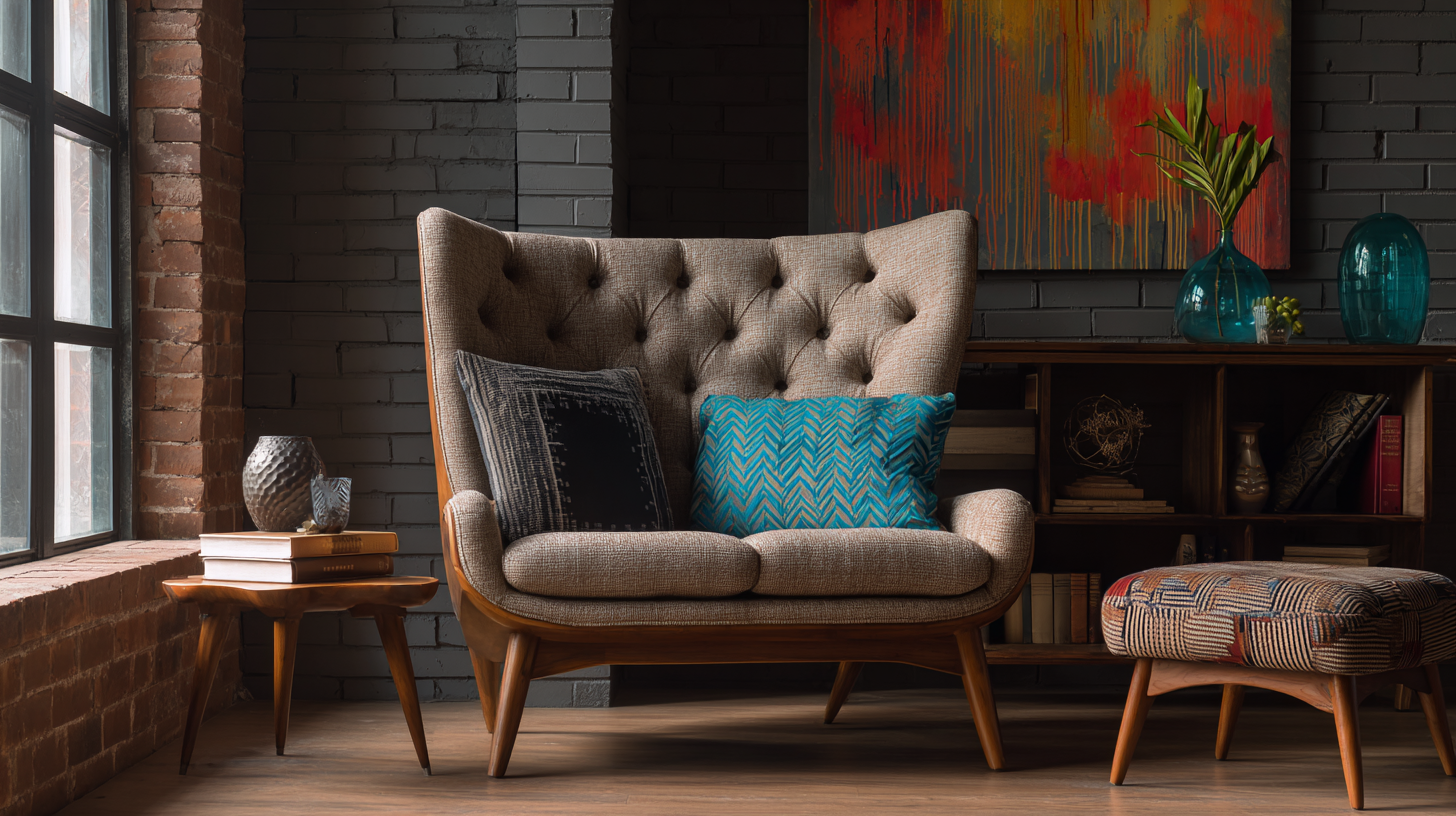
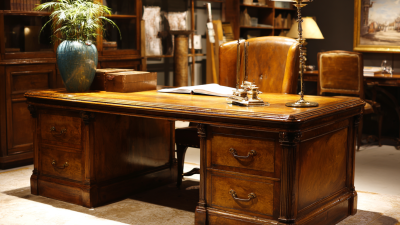
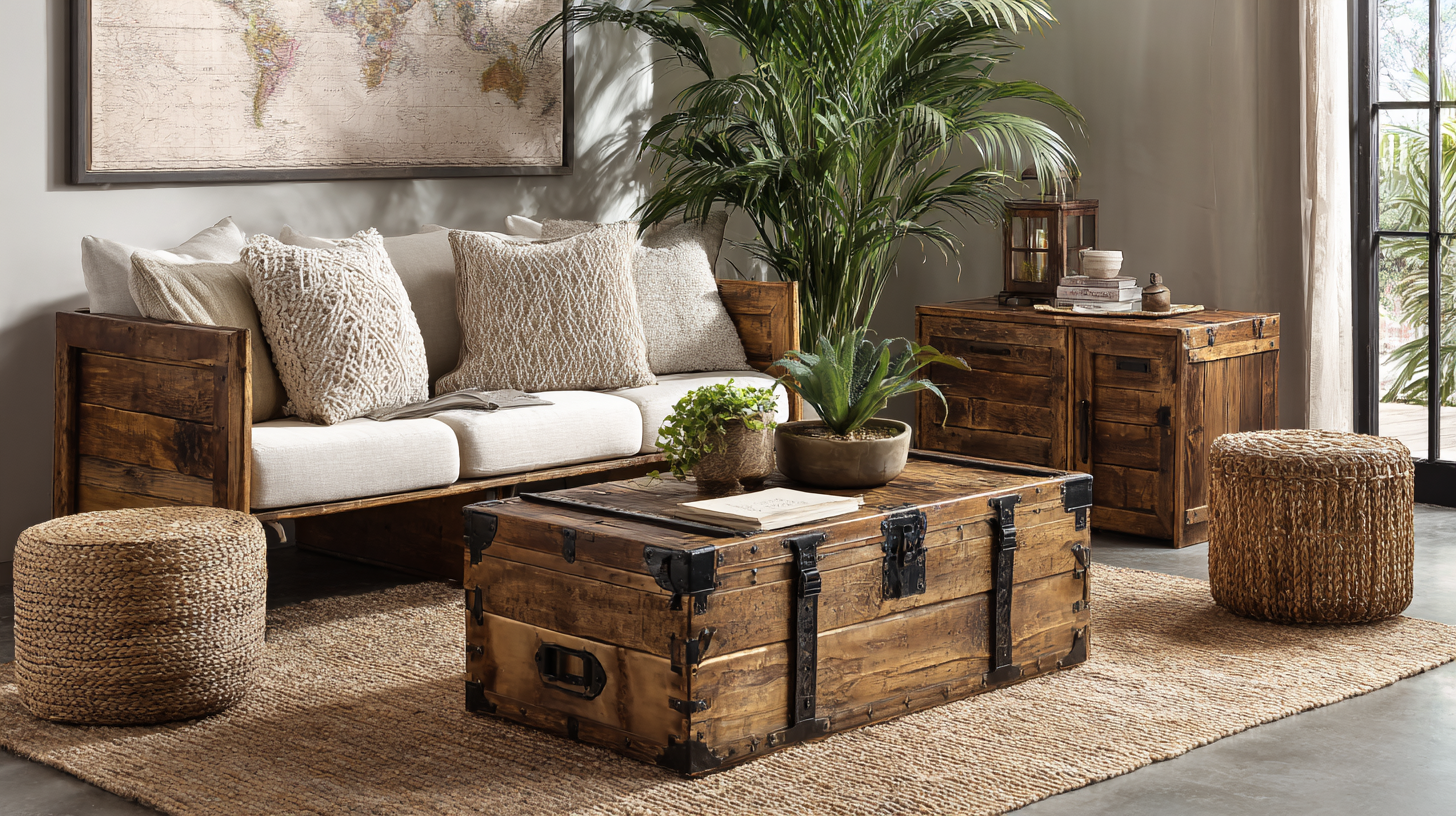
Incorporating vintage occasional furniture into your home can bring a warm, rustic charm that instantly enhances any space. By selecting pieces with a weathered finish or unique patinas, you can create an inviting atmosphere that celebrates both history and style. Consider a reclaimed wood side table or an antique trunk; these functional yet aesthetic additions can serve as conversation starters while providing that cozy, lived-in feel.
The beauty of rustic design lies in its ability to blend seamlessly with various decor styles. This is evident in the trend of farmhouse kitchens, where weathered wood beams and vintage cabinets coexist harmoniously. Pairing a vintage settee with a contemporary coffee table invites a delightful contrast, making your living area feel curated and personal. As you explore the world of occasional furniture, remember that each piece tells a story, enriching your home’s character and inviting reflection on a simpler, more charming time.
Sleek and Minimalist Designs for Contemporary Living
Creating a sleek and minimalist living space is not just about reducing clutter; it’s about making deliberate choices that reflect contemporary design principles. According to recent industry reports, minimalism is becoming increasingly popular, with 70% of homeowners seeking to create spaces that emphasize simplicity and functionality. To achieve this, focus on clean lines and a neutral color palette that enhances the sense of openness. Incorporating occasional furniture, such as a geometric coffee table or a streamlined accent chair, can add stylish yet practical elements.
Tips: When selecting occasional furniture, opt for pieces that serve multiple purposes. A sleek ottoman can function as a footrest, additional seating, or a storage solution while maintaining a minimalist aesthetic. Additionally, consider furniture with visual weight that harmonizes with your existing decor without overwhelming the space.
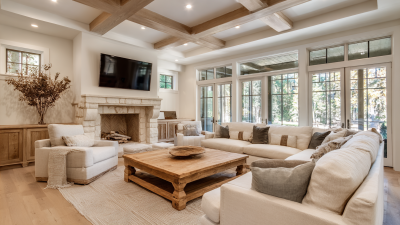
Combining minimalism with comfort is essential for creating an inviting environment. Elegant touches, like soft textiles or strategically placed indoor plants, can significantly soften the austere nature of minimalist designs. As noted in design trends, the harmony between streamlined architecture and cozy elements is key to a balanced contemporary living room. Emphasizing simplicity doesn’t mean sacrificing style; rather, it offers a refined approach that celebrates form and function in perfect unison.


 +8618702197143