


 +8618702197143


0102030405
Exploring the World of Furniture: A Perfect Blend of Style and Functionality
2025-08-18
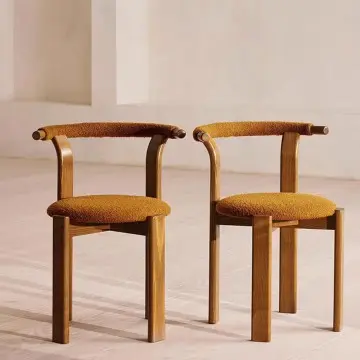
Furniture is not just a practical part of our daily lives; it is an essential component of our living spaces, reflecting our lifestyle, aesthetic tastes, and functional needs. From the sofa in the living room to the dining table in the dining room, and the bed in the bedroom, every piece of furniture tells a story.
1. The History and Evolution of Furniture
The history of furniture dates back to ancient times when early humans used stone, wood, and bone to create simple pieces. Over time, as craftsmanship improved, furniture evolved into more diverse and sophisticated forms. In the Middle Ages, furniture began to incorporate carving and decoration, reflecting the era's pursuit of art and beauty. By the modern era, furniture design began to emphasize simplicity, practicality, and multifunctionality.
2. Different Styles of Furniture
The diversity of furniture styles reflects the unique aesthetics of different cultures and eras. Here are some popular furniture styles:
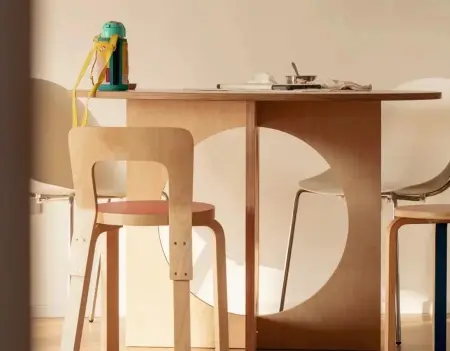
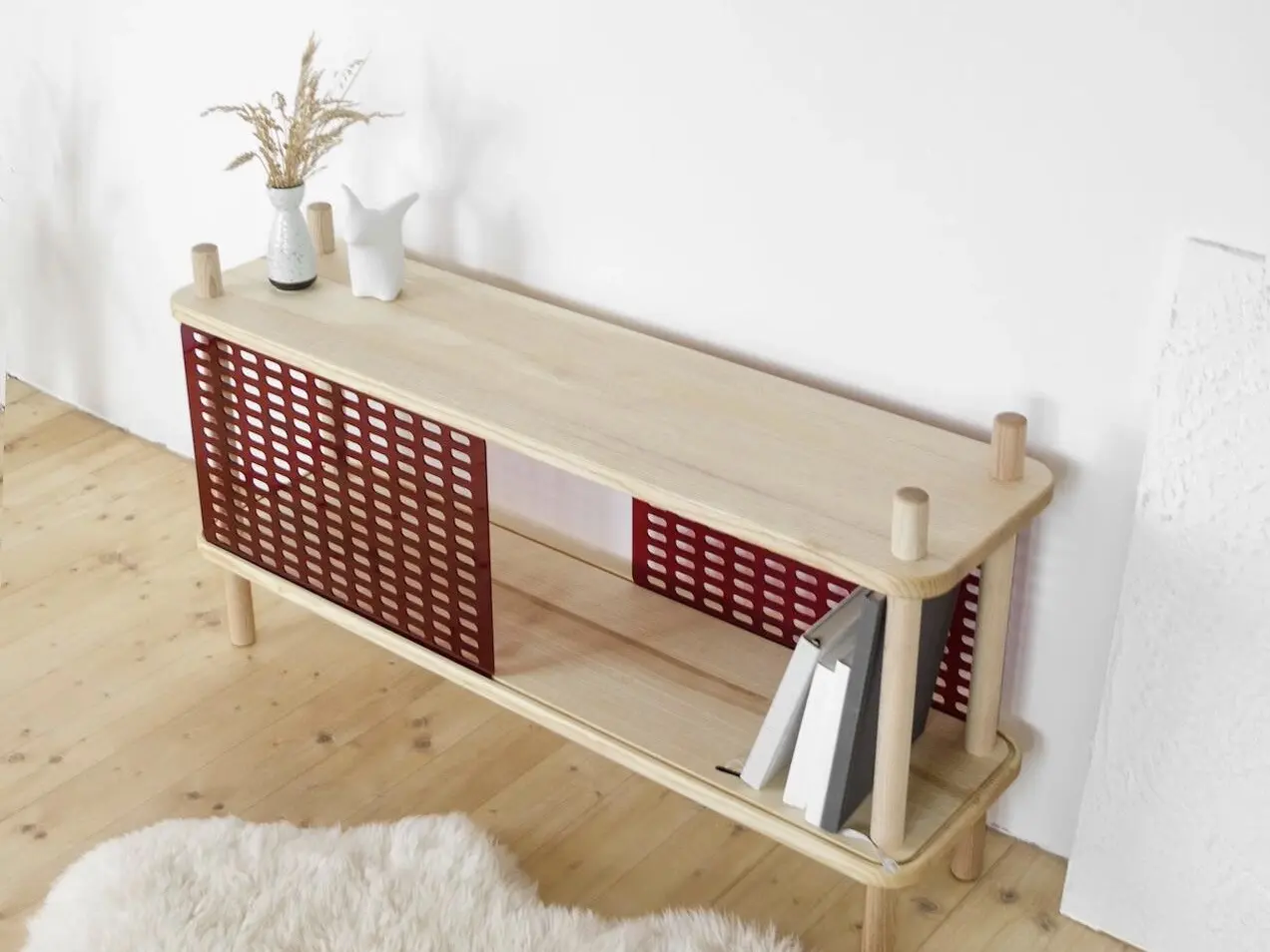
- Scandinavian Style: Characterized by simplicity, natural elements, and functionality, often using light wood tones and whites, emphasizing light and space utilization.
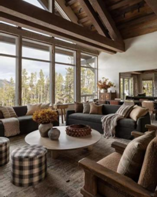
- American Country Style: Focuses on comfort and practicality, often using earth tones and natural materials like wood and linen.
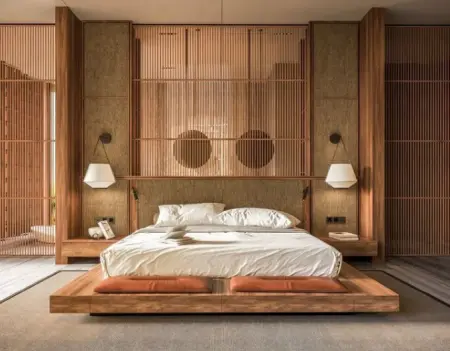
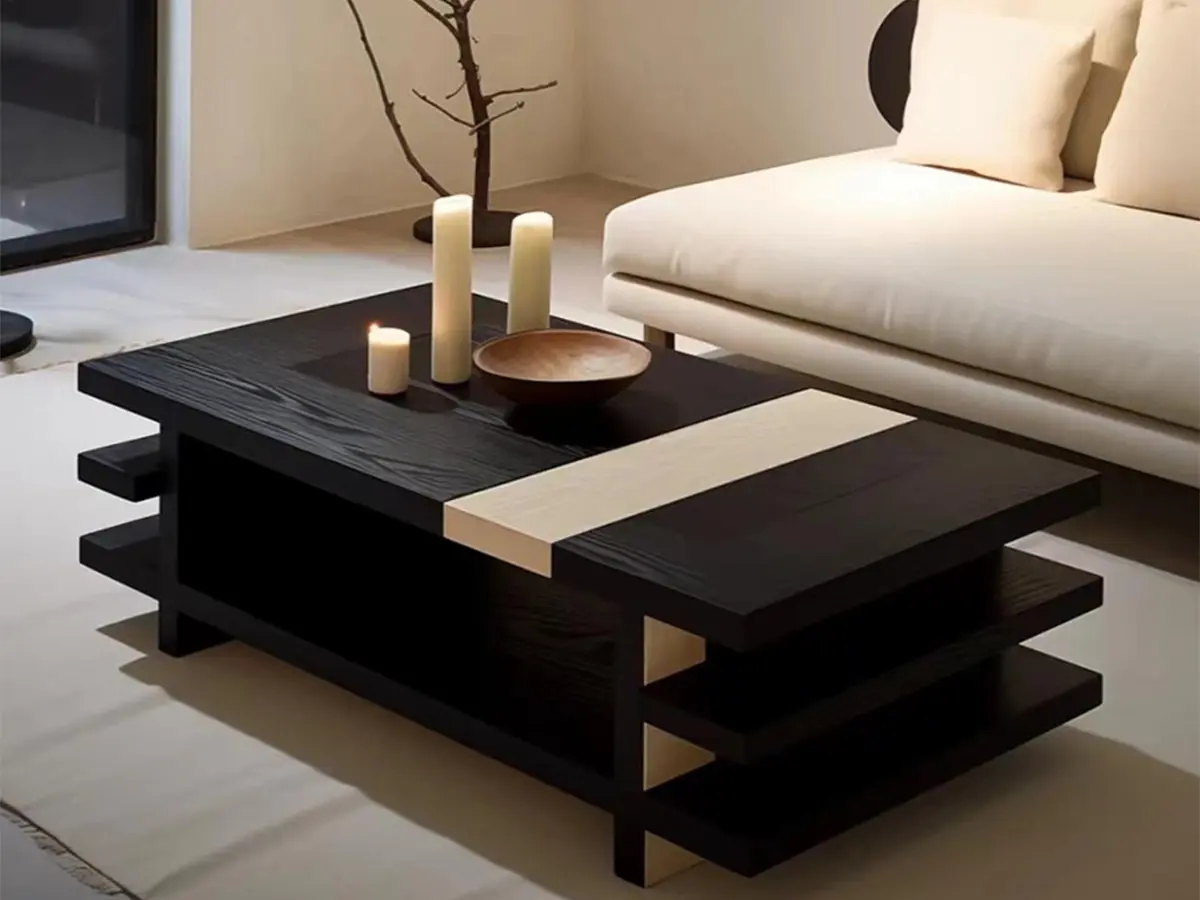
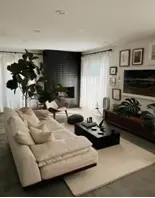
- Modern Minimalist Style: Pursues clean lines and a monochromatic color palette, often using modern materials like metal and glass.

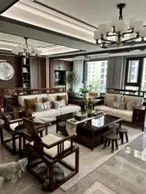
- Chinese Classical Style: Made primarily of precious woods like rosewood, featuring intricate carvings and a balanced, symmetrical aesthetic.

3. Choosing and Arranging Furniture
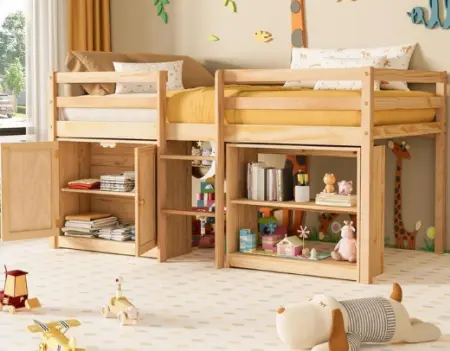
When choosing furniture, it is important to consider the size of the room, the overall style, color coordination, and the functionality of the furniture. For instance, small spaces may benefit from multifunctional furniture, such as foldable dining tables or sofas with storage capabilities. The choice of colors is also crucial and can be balanced and coordinated through contrasting or complementary colors.
4. Future Trends in Furniture
Future furniture design will place more emphasis on sustainability and smart features. The use of sustainable materials, such as bamboo, reclaimed wood, and eco-friendly plastics, is becoming increasingly popular in furniture design. Additionally, the rise of smart furniture, such as wardrobes with smart storage systems or bedside tables with adjustable lighting, is gradually transforming our home life.
Exploring the World of Furniture: A Perfect Blend of Style and Functionality
Furniture isn’t just practical; it’s an essential part of our living spaces that reflects our lifestyle, aesthetic tastes, and functional needs. From the sofa in the living room to the dining table and bed in the bedroom, every piece of furniture tells a story.
- The History and Evolution of Furniture
Furniture history dates back to ancient times when early humans used stone, wood, and bone to create simple pieces. As craftsmanship improved, furniture evolved into more diverse and sophisticated forms. In the Middle Ages, furniture started incorporating carving and decoration, reflecting the era's pursuit of art and beauty. By the modern era, design began emphasizing simplicity, practicality, and multifunctionality.
- Different Styles of Furniture
Different furniture styles reflect the unique aesthetics of various cultures and eras. Here are some popular ones:
- Scandinavian Style: Known for simplicity, natural elements, and functionality, often using light wood tones and whites to emphasize light and space.

- American Country Style: Focuses on comfort and practicality, often featuring earth tones and natural materials like wood and linen.
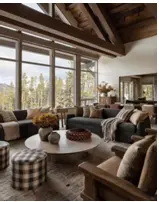
- Modern Minimalist Style: Characterized by clean lines and a monochromatic color palette, often incorporating modern materials like metal and glass.

- Chinese Classical Style: Made primarily of precious woods like rosewood, with intricate carvings and a balanced, symmetrical aesthetic.
- Choosing and Arranging Furniture
When choosing furniture, consider the room’s size, overall style, color coordination, and functionality. For example, small spaces might benefit from multifunctional furniture like foldable dining tables or sofas with storage. Choosing the right colors is also crucial and can be balanced with contrasting or complementary shades.
- Future Trends in Furniture
Future furniture design will emphasize sustainability and smart features. The use of sustainable materials, such as bamboo, reclaimed wood, and eco-friendly plastics, is becoming increasingly popular. Additionally, the rise of smart furniture, like wardrobes with smart storage systems or bedside tables with adjustable lighting, is gradually transforming our home life.



01020304