


 +8618702197143







0102030405
How to Choose and Design the Ideal Bookshelf: Creating a Reading Nook That Combines Functionality and Aesthetics
2025-08-18
As a significant storage and display piece, a bookshelf not only organizes books but also enhances the ambiance of your space by adding a touch of culture and style. An ideal bookshelf should meet individual needs, be designed with an effective layout, and improve both the functionality and visual appeal of a room. This article explores material choices, design styles, storage functionality, and layout coordination to help you select and arrange the perfect bookshelf, creating a distinctive reading nook.
1. Material Choice: Balancing Quality and Durability
The material of the bookshelf directly impacts its longevity and appearance. Common bookshelf materials include solid wood, board, metal, and glass, each with its own unique characteristics:
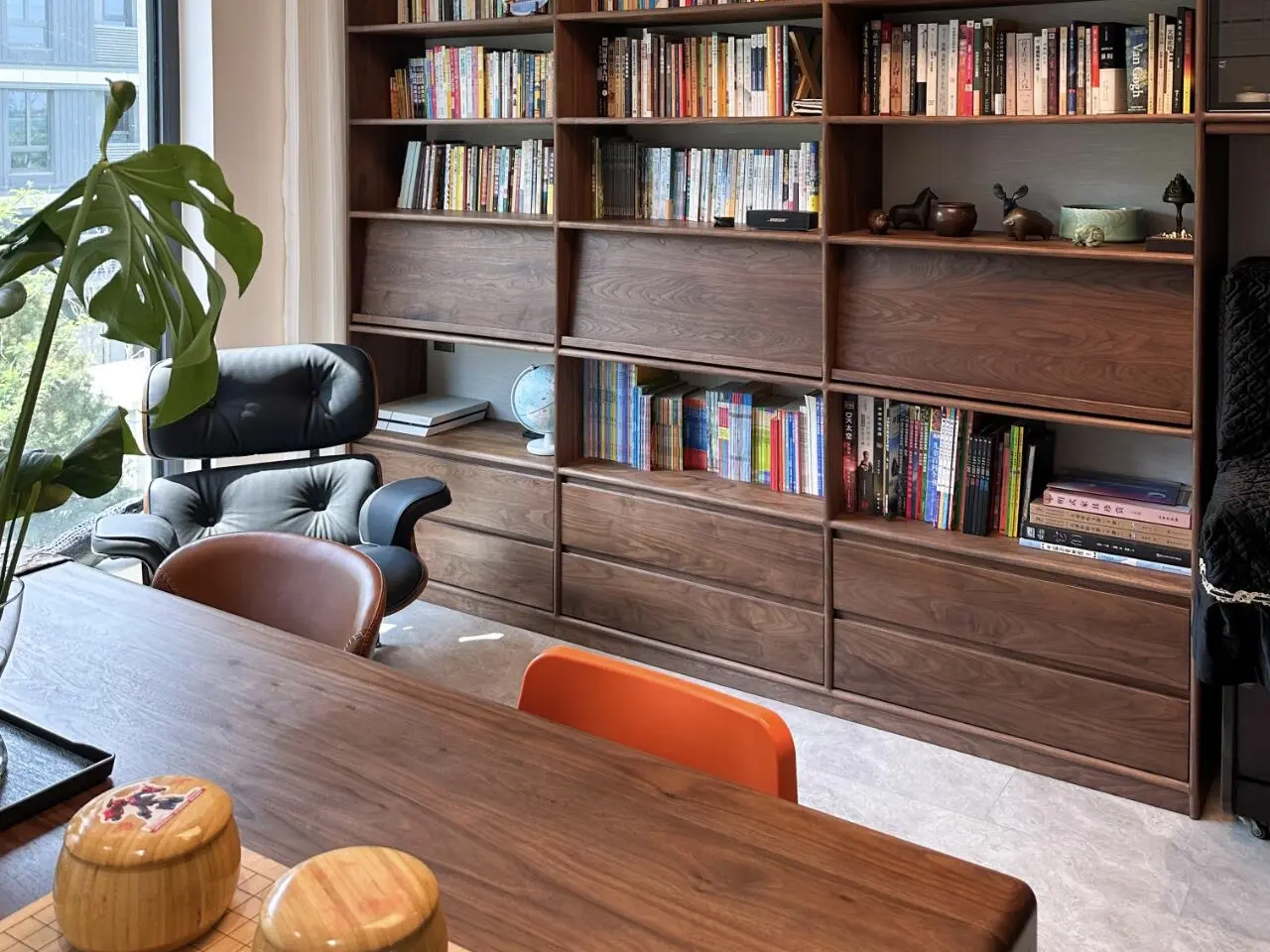
Solid Wood: Known for its natural warmth and durability, solid wood bookshelves made from walnut, oak, cherry, or mahogany are timeless and ideal for classic or Scandinavian-inspired homes.
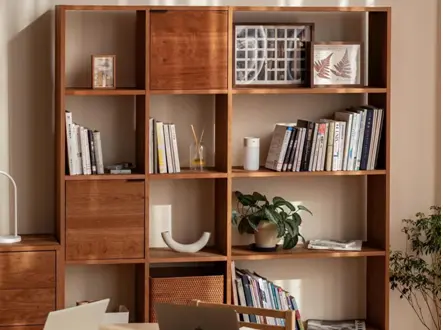
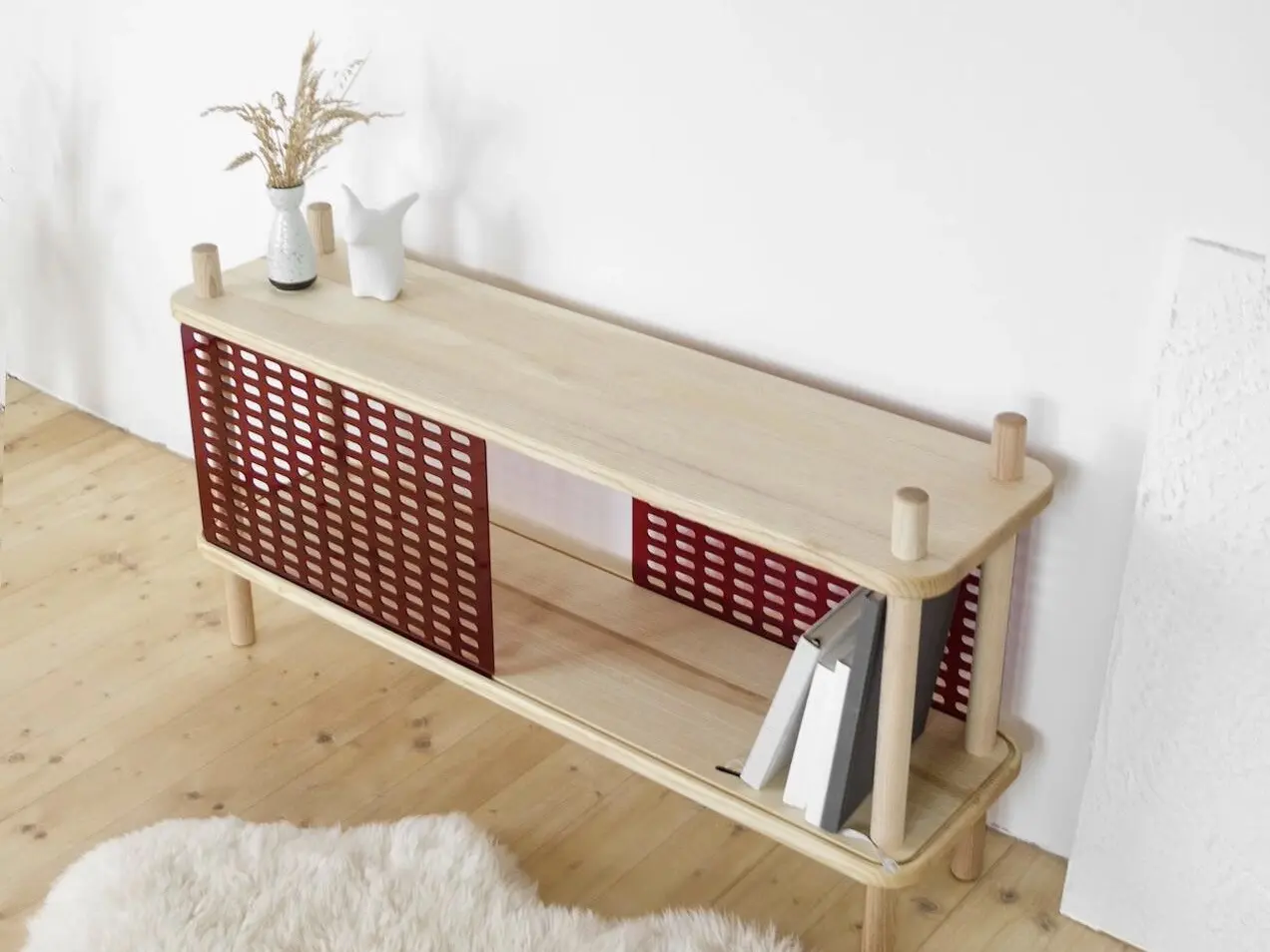
Board: Affordable and versatile, board bookshelves often feature in modern minimalist designs. However, check the environmental quality of the board materials for safe indoor use.
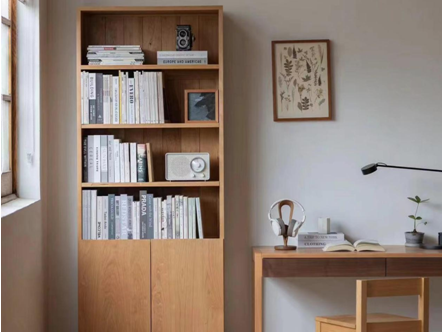
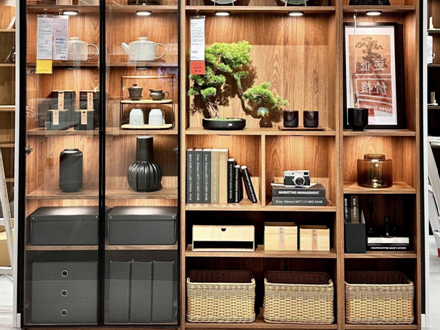
Glass: Glass elements give a light and airy look, making bookshelves appear more spacious. Glass works well in displaying prized books or decorative items, enhancing the room’s modern appeal.
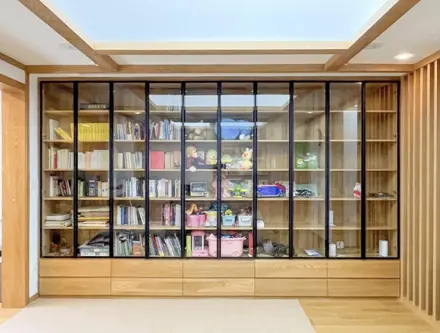
2. Storage Functionality: Zoned Layouts for Improved Organization
The storage design of a bookshelf significantly affects organizational efficiency. Proper compartmentalization and layout help with managing books and decor.
Layered Design: Arrange shelves by book size and category, such as magazines on top and larger books or decor pieces on the bottom, making space usage more efficient.
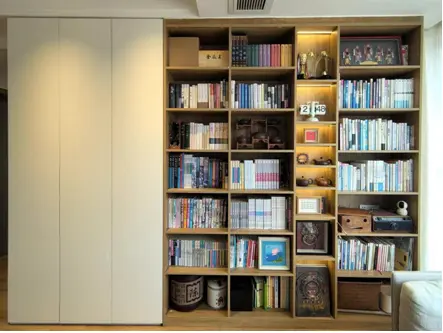
Combination of Open and Closed Sections: Open shelves are ideal for frequently used books, while closed cabinets provide storage for infrequently used items, helping maintain a neat appearance.
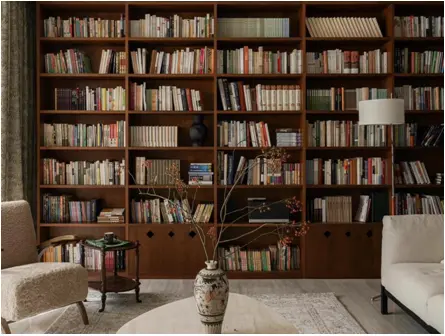
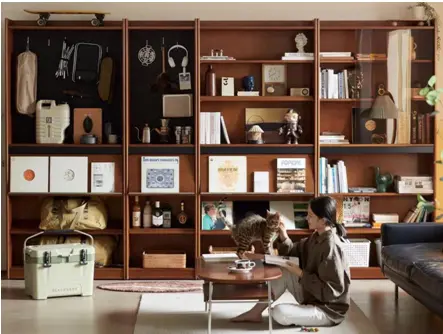
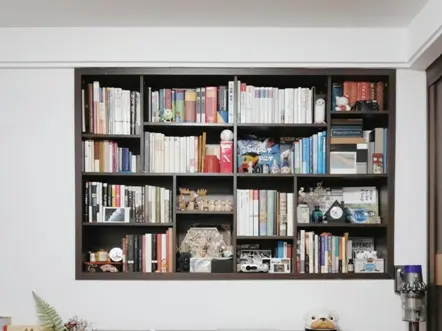
Display Area: Some bookshelves feature display zones for showcasing book covers, art pieces, or plants, adding vibrancy to the bookshelf and the room.
Conclusion
Choosing and designing a bookshelf is about more than storing books; it’s a way to improve the home environment and elevate your quality of life. By selecting the right materials, design styles, storage layouts, and positioning, an ideal bookshelf can be the perfect blend of aesthetics and functionality in your home.





01020304