


 +8618702197143


0102030405
How to Choose the Safest Furniture for Your Child: A Buying Guide
2025-08-15
Creating a safe and comfortable environment for children is crucial, and furniture selection plays a key role in this. Children's furniture should not only be functional and aesthetically pleasing but also prioritize safety. Factors like whether the materials are eco-friendly, if the design prevents injuries, and whether the structure is stable are all important considerations. This article provides a detailed guide to help you choose the safest furniture for your child.
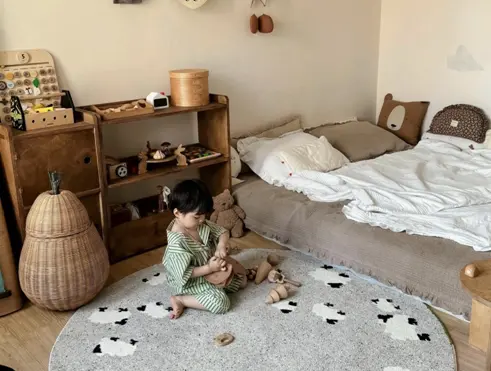
1. Prioritize Eco-Friendly Materials
Children's immune systems are still developing, and they have lower resistance to harmful substances. Choosing eco-friendly furniture helps reduce the release of toxins, ensuring their health.
Non-Toxic Materials: Look for furniture made from materials that have passed environmental certifications, such as FSC-certified solid wood. This ensures the wood is sourced sustainably and is free of toxins. Avoid composite boards containing formaldehyde, and opt for products that meet E0 or E1 environmental standards.
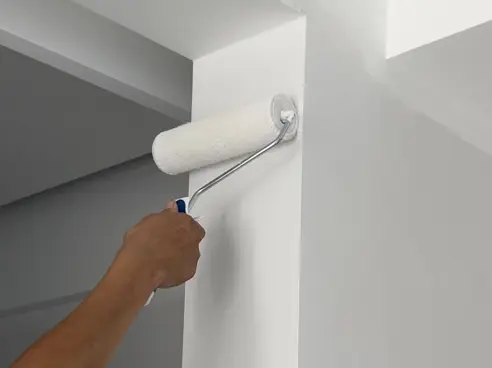
Eco-Friendly Paints and Coatings: The surface finish of the furniture is also important. Choose non-toxic, odorless water-based paints or natural plant-based oils to avoid pollution from volatile organic compounds (VOCs), which can impact indoor air quality.
Safe Plastic Materials: If you choose plastic furniture, make sure it is free from BPA (bisphenol A). Opt for safer plastics such as PP or PE to avoid any potential health risks to your child.

2. Focus on Rounded Corners and Anti-Collision Protection
Children are energetic and often run and play around the house. To prevent injuries from bumps, furniture should avoid sharp edges and corners.
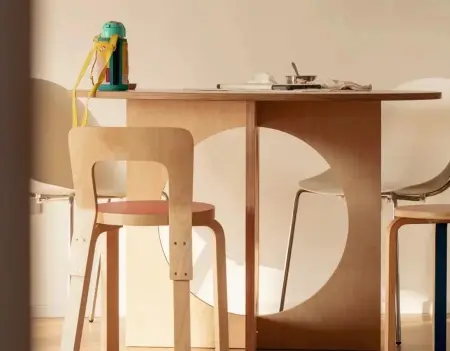
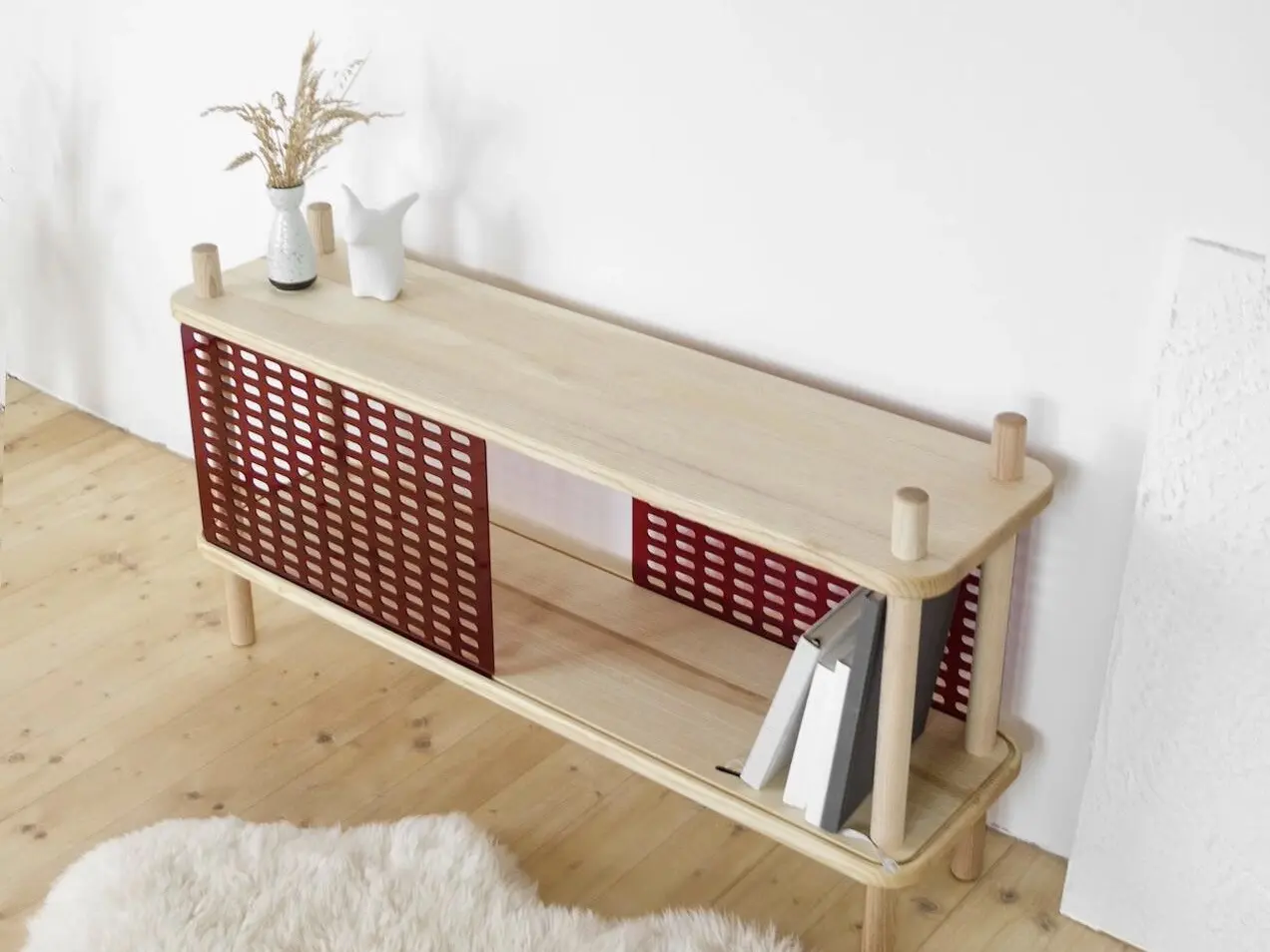
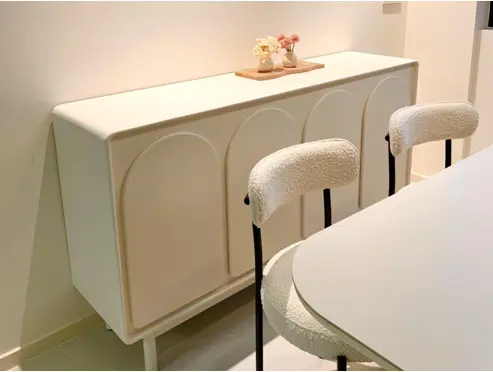
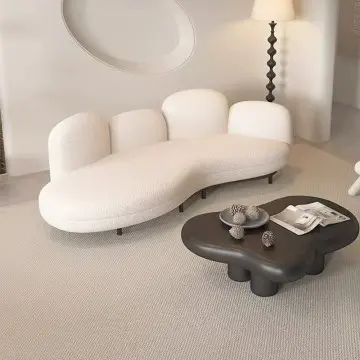
Rounded Corners: When shopping, choose furniture with rounded corners. This design helps reduce the risk of injury in case of accidental bumps. Pay extra attention to tables, chairs, and bed frames.
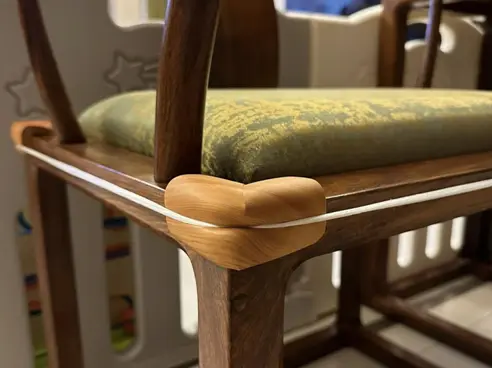
Protective Measures: For existing furniture at home, you can add corner protectors to further reduce the chance of injuries. There are many child-specific protective accessories on the market that are easy to use and inexpensive.
3. Use Safety Locks and Hidden Designs
Children are naturally curious and love to explore, especially the insides of drawers and cabinets. Therefore, safety designs for these areas are especially important.
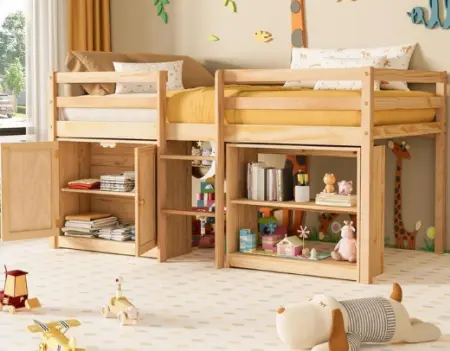
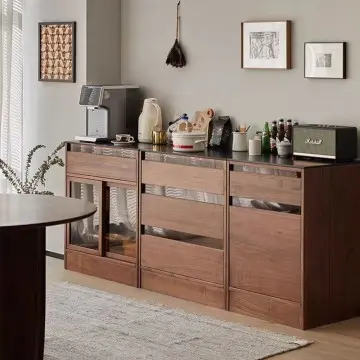
Anti-Pinch Designs: Choose furniture with soft-closing or anti-pinch features for drawers and cabinet doors. Slow-closing mechanisms prevent children from accidentally pinching their fingers.
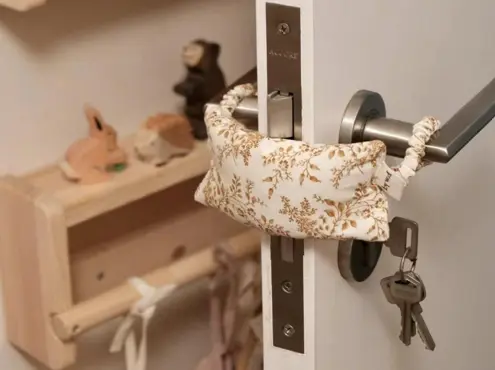
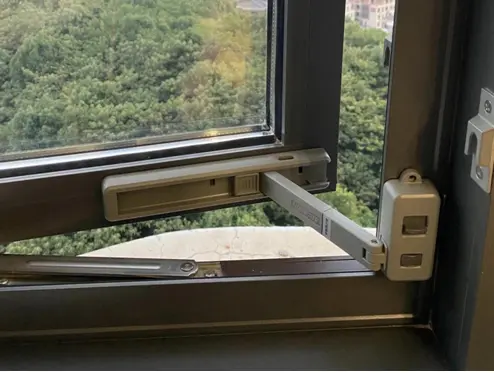
Safety Locks: Some cabinets and drawers can be equipped with child safety locks to prevent children from opening them and accessing dangerous items or getting hurt. These locks are easy to install and adjust as needed.
4. Opt for Easy-to-Clean Materials
Kids often make a mess at home, so choosing furniture made from easy-to-clean materials can greatly reduce the cleaning burden on parents.
Waterproof and Stain-Resistant Materials: Choose materials that are waterproof and stain-resistant, especially for dining chairs and desks. This way, even if children spill liquids or dirty the furniture, it can be cleaned quickly and easily.

Removable and Washable Design: Some children's furniture, such as seat cushions or backrests, may have removable and washable covers, making it easy for parents to deep clean regularly, ensuring a hygienic environment for children.

Conclusion
Choosing the safest furniture for children requires careful consideration of various aspects, from eco-friendly materials and rounded edges to stability and protective measures. By carefully selecting furniture and using protective accessories, you can create a safe and comfortable living space where your child can grow freely and enjoy a healthy, happy childhood.


01020304