Best Family Room Furniture in China for Global Buyers?
When searching for the best Family Room Furniture in China, global buyers must navigate a diverse market. The furniture industry in China is known for its rich craftsmanship and innovative designs. From traditional wooden pieces to modern minimalist styles, there is something for everyone.
Quality often varies, so it's essential to choose reliable manufacturers. Buyers should consider durability, materials, and comfort. This attention to detail can transform a family room into a cozy gathering space.
Challenges exist. Some pieces may not withstand the test of time, requiring careful research. Creating a functional and stylish family room is a balancing act between aesthetics and practicality. It's important to reflect on personal needs and family dynamics when selecting furniture.
Best Family Room Furniture Trends in China
In recent years, family room furniture trends in China have evolved significantly. One noticeable shift is the integration of multifunctional furniture. Many families now seek pieces that serve multiple purposes, such as sofas that convert into beds. This trend maximizes space and enhances functionality, especially in urban environments where every square meter counts.
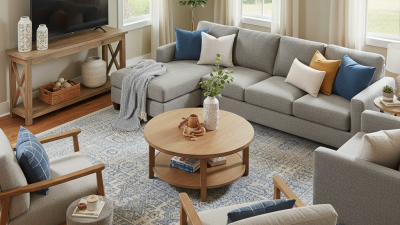
Color palettes have also changed. Neutral tones like beige and gray have gained popularity, creating a calm and inviting atmosphere. However, some families are embracing bold colors and patterns to add personality. This mix can often result in décor that isn’t seamlessly cohesive. Finding the right balance can be a challenge, but it allows for creativity.
Tip: Don't shy away from experimenting. Use smaller accent pieces to introduce color or texture. A colorful throw or an artistic lamp can transform a dull space.
Textures matter too. Adding natural materials like wood and rattan can create warmth. It’s essential to reflect personal style while considering trends. However, trends can sometimes overshadow functional needs. Assessing usability alongside aesthetics is crucial to achieving a livable space.
Tip: Measure your space before purchasing furniture. What looks good in a showroom may not fit your home well. Always keep practicality in mind.
Top Chinese Manufacturers of Family Room Furniture
When it comes to family room furniture in China, numerous manufacturers stand out globally. Recent industry reports indicate that the Chinese furniture market is projected to reach USD 261 billion by 2025. This growth highlights the country's advancements in innovative designs and sustainable materials. Today’s consumers prioritize eco-friendly options, which has driven many manufacturers to implement green practices.
Some manufacturers specialize in modular furniture. This flexibility appeals to modern families, offering adaptability for various needs. High-quality wood, such as oak and walnut, is often used for durability. However, the competitive landscape means that not all manufacturers maintain the same standards. Quality control can vary, requiring buyers to conduct thorough research.
Moreover, while many manufacturers showcase exquisite craftsmanship, inconsistencies in production can be a concern. Some elements might seem excellent on the surface but could lack structural integrity. Global buyers must remain vigilant. Checking certifications and sourcing data from reliable industry reports can guide informed decisions. Investing in family room furniture is significant, underscoring the need for careful consideration of manufacturers in China.
Materials and Craftsmanship in Chinese Family Room Furniture
Chinese family room furniture stands out for its unique materials and craftsmanship. Many manufacturers utilize natural woods like oak and bamboo. These materials are sought after for their durability and aesthetic appeal. A report from the China National Furniture Association states that over 70% of consumers prefer furniture made from eco-friendly materials.
Craftsmanship plays a significant role in furniture design. Artisans often blend traditional techniques with modern technology. This fusion creates pieces that are both functional and beautiful. According to a Study by Market Research Future, the demand for high-quality craftsmanship in furniture is projected to grow by 8% by 2026. This shows consumers increasingly value artistry in their home decor.
However, not all furniture reflects this quality. Some mass-produced items sacrifice craftsmanship for lower pricing. Buyers must discern the difference. It's essential to look closely at joints, finishes, and the overall design. This attention to detail can lead to greater satisfaction in the long run. Thoughtful purchasing is crucial, as it impacts longevity and aesthetic enjoyment.
Popular Family Room Furniture Styles in China for Global Buyers
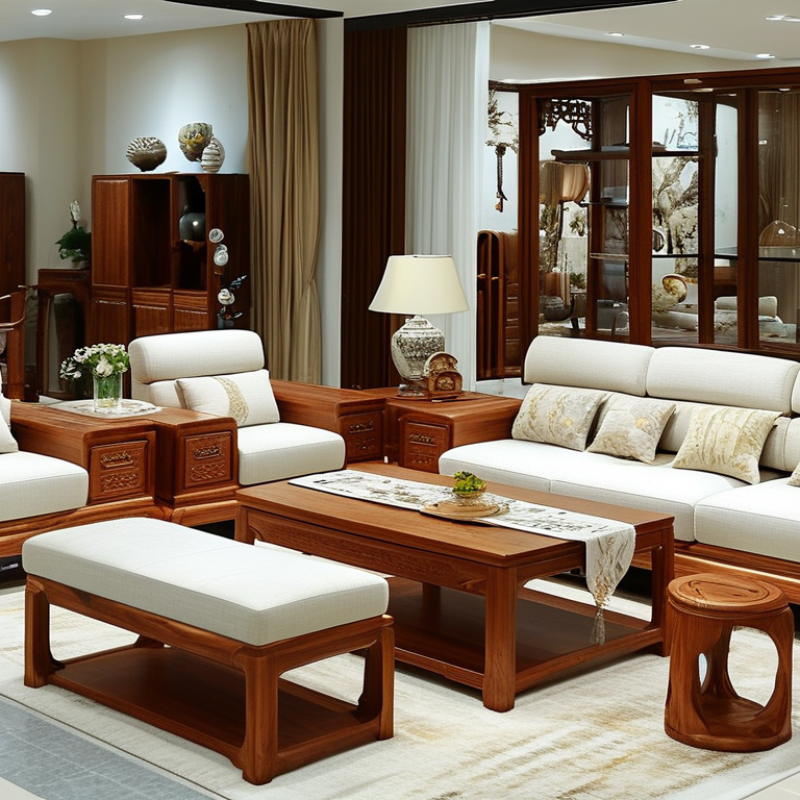
When exploring family room furniture styles in China, traditional and modern designs stand out. Wooden furniture, crafted with intricate details, reflects the rich cultural heritage. Common materials like teak and mahogany provide durability. Families often favor low seating arrangements, promoting a relaxed atmosphere. This style encourages family bonding and conversation.
Modern designs also thrive in Chinese markets. Clean lines and minimalist aesthetics appeal to younger buyers. Sofas made from soft textiles add comfort. Additionally, multifunctional furniture is popular due to space constraints in urban living. Coffee tables with storage compartments are a common choice.
While these trends are appealing, some may find the quality inconsistent. It's essential to research before purchasing. Understanding the craftsmanship and materials can help avoid disappointment. Accessibility to authentic products remains a challenge. Engaging with local artisans can yield unique finds. The blend of style and functionality is a fascinating aspect of family room furniture in China.
Best Family Room Furniture Styles in China
Tips for Importing Family Room Furniture from China
Importing family room furniture from China can be an exciting venture. The diverse range of options available makes it appealing. However, navigating the import process requires careful planning. Before making any purchases, identify your target market's preferences. This can help you select furniture styles that are not only trendy but also functional.
Understanding logistics is crucial. Shipping costs can vary widely depending on the size and weight of your order. Be aware of import duties and other fees. These can significantly affect your budget. Working with a reliable freight forwarder is advisable. They can provide guidance, ensuring that your shipment arrives safely and on time.
Quality checks should not be overlooked. When choosing a supplier, request samples. This step allows you to evaluate craftsmanship and materials. Inspecting products before finalizing orders can prevent future disappointments. Communication with manufacturers is vital. Unclear specifications may lead to unwanted surprises. Creating a checklist can help keep your import process organized, but always be prepared for unexpected challenges.


 +8618702197143