How to Choose the Best Wooden Display Cabinets for Your Needs?
When selecting the perfect Wooden Display Cabinets, understanding market trends is crucial. According to a recent report by the Furniture Market Research Institute, the demand for high-quality wooden cabinets is expected to grow by 12% annually. This growth highlights the importance of making informed choices.
Expert furniture designer, John Hartley, emphasizes, "The right wooden display cabinet can transform a space, showcasing both functionality and elegance." His insights remind us to consider both style and utility when choosing cabinets.
However, navigating the options can be overwhelming. With various styles, materials, and sizes available, potential buyers might hesitate. Reflection on personal needs and space requirements is essential. Finding the ideal Wooden Display Cabinets involves balancing aesthetics with practical use, making the selection process both challenging and vital for enhancing interior spaces.
Understanding the Different Types of Wooden Display Cabinets
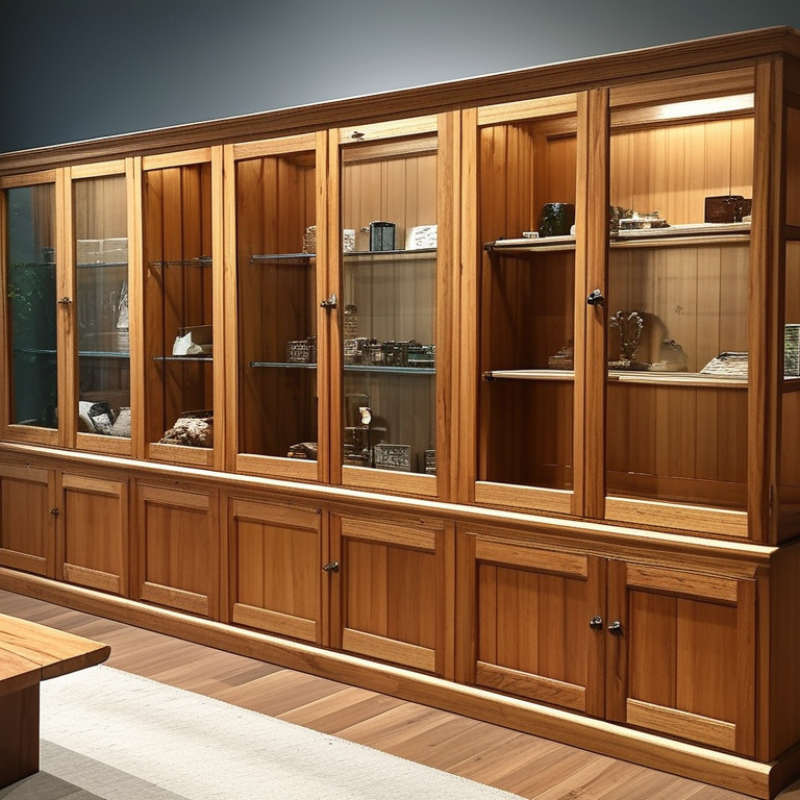
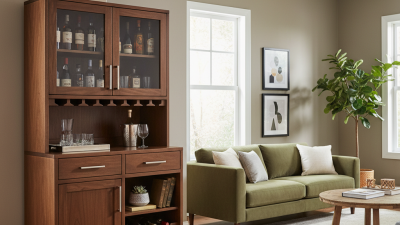
When choosing a wooden display cabinet, understanding the different types available is essential. Display cabinets come in various styles, each serving unique purposes. Consider the purpose of your cabinet—are you showcasing collectibles, books, or decorative items? A curio cabinet, with glass doors, is perfect for displaying valuables while protecting them from dust. An open shelving unit allows easy access and visibility for frequently used items.
Tips for selecting a display cabinet include assessing your space. Measure the area where you plan to place the cabinet. This will ensure a good fit. Think about the wood type and finish, as it affects the overall aesthetics and durability. Oak offers a classic look, while pine is lighter and often more affordable. Pay attention to design details, like hardware and hinges, as they impact functionality and style.
While choosing a display cabinet, it’s crucial to consider visibility and lighting. A cabinet with adequate lighting can enhance the display effect. Don’t ignore the importance of organization inside the cabinet. Arranging items in groups or by color can create a cohesive look. Reflect on your choices, as too many items can make a cabinet feel cluttered. It’s okay to change the display over time—this keeps your space fresh and engaging.
Evaluating the Size and Space Requirements for Your Display Cabinet
When evaluating display cabinets, the size and space requirements are paramount. According to the American Home Furnishings Alliance, approximately 30% of homeowners struggle with selecting furniture that fits their space. Understanding your available area is essential before making a decision. Measure the height, width, and depth where you plan to position the cabinet. Consider door swings and airflow to ensure it blends seamlessly into your room.
Tip: Use painter’s tape to outline the cabinet dimensions on the floor. This will help visualize the space it will occupy. A common misstep is choosing a cabinet that overwhelms the room. Aim for balance, ensuring your cabinet complements the existing décor.
Another consideration is the items you intend to display. If you plan to showcase large collectibles, a taller cabinet may be necessary. Conversely, if your items are smaller, consider wider options for easier accessibility. In addition, expect some trial and error in finding the perfect fit. Assessing both significant and minor aspects fosters a refined selection process.
Choosing the Right Wood Type and Finish for Your Aesthetic Needs
Choosing the right wood type and finish for your wooden display cabinet is crucial. Different woods offer unique characteristics. For example, oak is durable and has a classic appeal, while pine is lighter and more affordable. According to a recent industry report, 48% of consumers prefer solid wood for furniture due to its longevity and aesthetics.
When selecting a finish, consider the cabinet's intended use and location. A water-based polyurethane can offer protection without altering the wood's natural appearance. However, some finishes may cause yellowing over time. This aging effect can be a deciding factor for many. You might want a sleek look, but it's essential to think about maintenance and durability.
**Tip:** Always test a sample of the wood and finish before committing. This helps ensure the final result aligns with your vision. Testing also provides insight into how the finish interacts with the wood grain.
Another factor is sustainability. Opt for sustainably sourced wood. The global demand for eco-friendly furniture is rising. Reports indicate that 65% of consumers are willing to pay more for sustainably sourced products. This choice reflects personal values and contributes to environmental conservation.
Assessing Budget Considerations for Quality Display Cabinets
When considering a wooden display cabinet, budget is a primary concern. A quality cabinet can vary significantly in price. Factors such as wood type, craftsmanship, and design all influence costs. Oak or walnut, for example, might be pricier than pine. However, the material affects durability and aesthetic appeal.
Investing in a higher-priced cabinet often means better longevity. Examine the joinery—dovetail joints indicate skillful construction. Assess the finish, too; well-finished cabinets resist scratches and moisture. While it’s tempting to choose cheaper options, they may not hold up over time. A cabinet that warps or chips is not a wise investment.
Setting a realistic budget is crucial. This means identifying your needs and preferences first. Understand what you can afford, but also consider how often you'll use the cabinet. If it’s a focal point in your living space, allocate more funds for a quality piece. Reflect on how much value the cabinet brings to your home. Sometimes, spending a bit more pays off in the long run.
Budget Considerations for Wooden Display Cabinets
Exploring Additional Features and Customization Options for Cabinets
When choosing wooden display cabinets, customization options can significantly enhance functionality. Consider cabinet size, style, and arrangement. Tailoring these aspects to your specific needs can lead to better organization and aesthetics. Additional features like shelves, lighting, and doors can make a substantial difference. Adjustable shelves allow you to curate your display based on the items' height and size.
Tips: Assess your space carefully before selecting a size. This means measuring the area thoroughly. Don't forget about the additional space needed for opening doors or drawers. If you want a more modern touch, consider cabinets with glass doors. They not only add elegance but also make your items visible without exposing them to dust.
Reflect on your needs. It’s easy to get carried away with styles and designs. Remember that functionality should always come first. A beautifully crafted cabinet won’t serve its purpose if it lacks adequate storage. Incorporating features like soft-close hinges can enhance durability while adding a touch of luxury. Choose wisely to ensure your cabinet meets both aesthetic and practical demands.


 +8618702197143