Why Retail Display Shelving is Essential for Effective Merchandising?
Retail Display Shelving plays a crucial role in the retail environment. According to industry expert John Smith, "The right shelving not only showcases products but also creates a shopping experience." Effective merchandising hinges on how well products are displayed.
Shelving must be functional, attractive, and strategically placed. Customers are naturally drawn to well-organized displays. When shelves are cluttered or unappealing, shoppers lose interest. A clean, smart layout is essential for engagement.
Retail Display Shelving should also evolve with trends. What works today may not resonate tomorrow. Retailers might need to rethink their approach constantly. This reflection can lead to improved sales and customer satisfaction. In an ever-competitive market, paying attention to these details is vital.
Understanding the Role of Retail Display Shelving in Merchandising
Retail display shelving plays a vital role in effective merchandising. It organizes products in a way that enhances visibility and accessibility. According to a recent study by the National Retail Federation, properly designed display shelving can increase sales by up to 25%. This highlights its significance in capturing customer attention and driving purchases.
Moreover, the layout of display shelves impacts shopping behavior. Research indicates that around 70% of purchasing decisions are made in-store. Customers often engage more with products positioned at eye level. Innovative shelving solutions can attract shoppers and encourage impulse buying. Yet, not all retailers optimize this potential. Many still use generic shelving designs that fail to enhance the shopping experience.
Additionally, the functionality of display shelving is crucial. Reports show that cluttered or poorly organized shelves can deter customers. Surveys suggest that 60% of shoppers feel frustrated when navigating disorganized displays. This emphasizes the need for retailers to frequently reassess their shelving strategies. Effective merchandising requires attention to how products are presented and how they invite interaction. Retailers must strive for constant improvement in their display techniques to maximize engagement.
Types of Retail Display Shelving and Their Functions
Retail display shelving plays a crucial role in merchandising. Different types of shelving serve various functions that can enhance customer experience. For example, gondola shelving provides flexibility and is suitable for various store layouts. According to the National Retail Federation, effective shelving can increase sales by up to 20%. This statistic highlights the importance of well-structured displays.
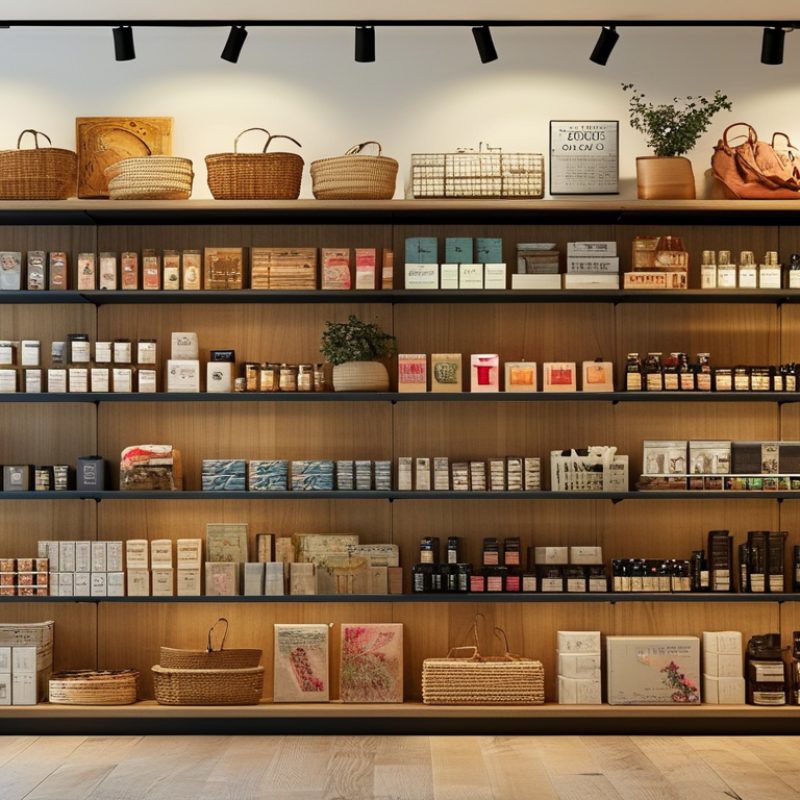
Another common option is wall-mounted shelving. This type maximizes vertical space and keeps products organized. It allows retailers to showcase a variety of items without occupying floor space. For instance, beauty retailers often use this to highlight new products. A report from the Retail Design Institute stresses that shoppers often decide within seconds whether to engage with a product based on its display.
Endcaps are also important in retail shelving. These displays capture attention at the end of aisles and often feature promotional items. Retailers report a significant uplift in impulsive purchases when utilizing endcaps effectively. However, overusing them can clutter the shopping experience. Balancing visibility with accessibility is key to effective merchandising.
Best Practices for Arranging Products on Display Shelving
Effective product arrangement on display shelving can significantly influence customer behavior. Research indicates that over 70% of purchasing decisions are made in-store. This highlights the importance of strategic placement. Products placed at eye level tend to attract more attention. It's essential to place high-demand items there to increase visibility.
Grouping related products is another best practice. This method encourages cross-selling. A study found that cross-promotions can boost sales by up to 20%. Clear signage also guides customers, helping them navigate the store efficiently. Ensure that products are within reach to avoid customer frustration.
However, maintaining an appealing display is challenging. Frequent sales fluctuate inventory levels, complicating arrangements. Regularly assessing display effectiveness is vital. Use customer feedback to refine layout and product placement. Not all strategies yield instant results. Experimentation may lead to unexpected insights. Keeping up with trends is essential.
Why Retail Display Shelving is Essential for Effective Merchandising?
| Display Type |
Benefits |
Best Practices |
Common Materials |
| Wall-mounted Shelves |
Maximize vertical space |
Group by category and color |
Wood, Metal |
| Freestanding Shelves |
Flexible positioning |
Ensure product visibility |
Plastic, Metal |
| End Caps |
Attract customer attention |
Highlight promotions |
Cardboard, Metal |
| Display Cases |
Showcase high-value items |
Use lighting to enhance visibility |
Glass, Wood |
| Gridwall Displays |
Versatile configurations |
Adjustable hooks for different products |
Metal |
Impact of Retail Display Shelving on Consumer Behavior
When it comes to retail environments, display shelving plays a critical role. It shapes the in-store experience and significantly influences consumer behavior. Customers often make quick decisions based on product placement. Well-designed shelving can attract attention and encourage exploration.
Consider how eye-level shelves are often more effective. Shoppers tend to notice products they can easily reach. If items are cluttered or poorly arranged, customers may overlook them. This highlights the importance of organization. Retailers must reflect on their display choices. Are they utilizing space effectively? Are products easy to find?
Moreover, lighting and color can elevate the impact of shelving. Brightly lit sections can draw consumers in. Colorful displays can create an emotional connection. However, excessive colors may overwhelm. The balance is essential. Retailers should regularly assess their strategies. Reflecting on these factors can continuously enhance consumer engagement.
The Relationship Between Display Shelving and Sales Performance
Retail display shelving plays a significant role in sales performance. A well-structured shelf can attract customers and influence their purchasing decisions. According to a study by the Point-of-Purchase Advertising Institute, effective display shelving can increase sales by up to 30%. This highlights how critical it is for retailers to invest in quality merchandising solutions.
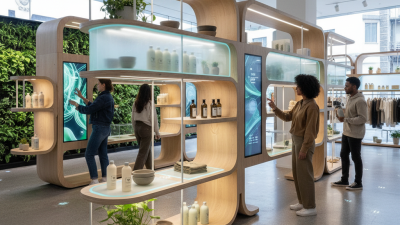
Properly designed shelving systems can enhance a shopper's experience. For instance, adjustable shelving can maximize space and allow for varied product placements. This adaptability can lead to a more engaging shopping journey. However, not all retailers utilize these strategies effectively. A recent survey indicated that only 50% of retailers use data-driven approaches when arranging products on shelves. This lack of strategic planning can result in missed opportunities for increased sales and customer satisfaction.
Moreover, the visibility of products on shelves matters immensely. Research shows that items placed at eye level tend to sell better. Nevertheless, some retailers overlook this simple tactic. They may fail to rotate stock or keep popular items in prime positions. This can lead to stagnation and diminished sales urgency. By recognizing these aspects, retailers can make informed adjustments to their display shelving, ultimately enhancing sales performance.


 +8618702197143