+8618702197143
Choosing Solid Wood Furniture for international projects involves more than comparing finishes or price tags. Buyers must assess timber species, joinery, moisture control, repairability, and the consistency of production. A dining table may look convincing in a showroom, yet seasonal humidity can expose weak construction. Details matter.
Allied Market Research estimated the global furniture market at $556.3 billion in 2022 and projected $877.6 billion by 2032. Its report covers furniture broadly, not solid wood alone, so these figures show market context rather than wood-specific demand. That distinction matters. For buyers, the more useful questions concern documented materials, clear specifications, and reliable after-sales support. Furniture designer and architect Frank Lloyd Wright wrote, “The wood is universally beautiful to man. It is the most humanly intimate of all materials.” His observation speaks to wood’s appeal, but beauty alone cannot establish durability or responsible sourcing.
This guide compares 10 Solid Wood Furniture brands for global buyers, focusing on design, materials, craftsmanship, customization, and export readiness. It also considers practical details, from drawer movement to finish samples and lead-time clarity. Brand claims still deserve scrutiny; a polished website is not independent proof. No single maker suits every project. Some excel at heirloom pieces, while others offer broader styles or more accessible ordering. The comparison aims to help buyers ask sharper questions before committing—not to promise a perfect purchase.
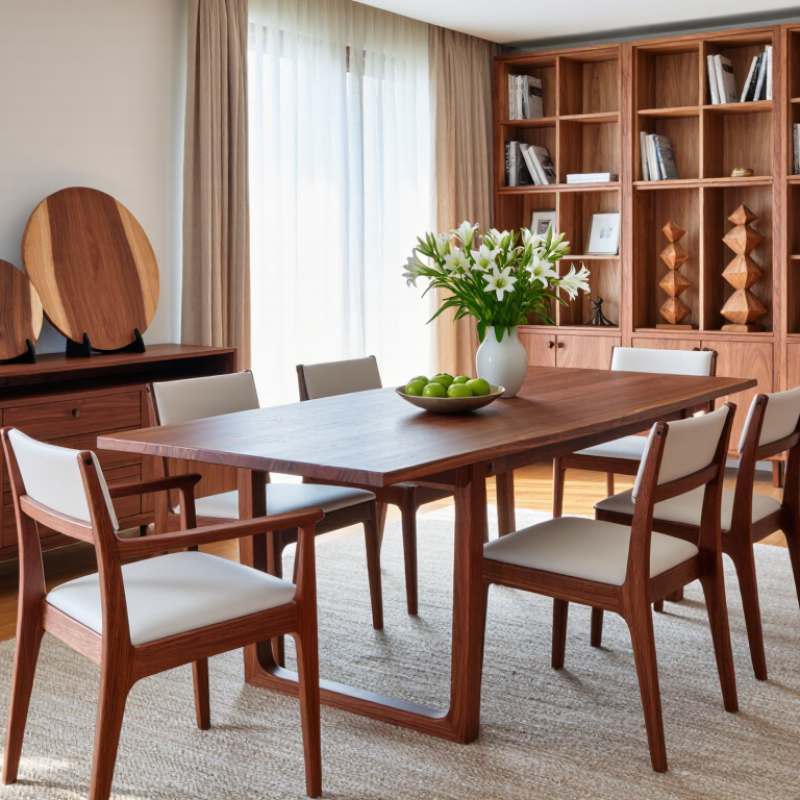
Solid wood furniture is made mainly from natural timber, though drawers, backs, or other parts may use different materials. That detail matters when comparing pieces. Unlike printed surfaces, real wood shows changing grain, small knots, and shifts in color. No two tabletops look exactly alike. A solid oak table may feel warm and substantial, while a slimmer design in another species can suit a smaller room. These differences are part of the material, not always defects.
Its global appeal comes from durability, repairability, and a tactile connection to nature. Scratches can sometimes be sanded or refinished, depending on the finish and construction. Yet solid wood is not maintenance-free. It expands and contracts as humidity changes, so a cabinet kept near a heater may develop gaps or stress. Climate matters. Buyers should check the wood species, joinery, finish, and care guidance before choosing furniture for a different region. Ask how the item is packaged, too; long-distance shipping can expose corners and legs to knocks. The honest trade-off is that solid wood can last for years, but it may need occasional care—and its natural variations may look less uniform than expected.
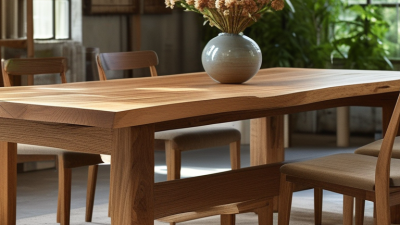
Evaluating solid wood furniture brands requires more than checking whether a product is labeled “solid wood.” Buyers should ask which parts use solid timber and whether hidden panels contain veneers or engineered materials. Clear product specifications make comparisons more reliable. Wood species matters, too: oak, walnut, and maple differ in grain, weight, hardness, and color variation. A close-up photo of a table edge can reveal more than a polished room scene.
Construction affects how furniture handles daily use and long-distance shipping. Look for sturdy joinery, smooth drawer movement, and legs that feel firmly attached. Ask how the wood is dried and how finishes are applied. Poor moisture control can contribute to cracking or warping after a change in climate. That risk is easy to overlook. Check care instructions, warranty terms, replacement-part availability, and packaging details before ordering. A beautiful finish alone proves little, and even careful research cannot remove every uncertainty.
Tips: Request close-up images of joints and unfinished edges. Confirm dimensions in centimeters and inches. Ask whether the packaging protects corners and surfaces during transit. Compare written specifications, not just lifestyle photos. If answers are vague, pause. I would also leave room for personal judgment: grain variation may be a natural feature, but it can still disappoint if expectations are unclear.
Profiles of ten notable solid-wood furniture makers reveal different strengths: heritage joinery, contemporary oak designs, walnut dining pieces, reclaimed timber, custom dimensions, and compact urban furniture. Others stand out for commercial projects, family-run production, regional hardwoods, or export-ready collections. Compare how each maker describes its wood species, construction, finishes, and repair options. A sturdy-looking table still deserves scrutiny. Check drawer joints, underside finishing, and whether panels are solid wood or veneer.
Grand View Research estimated the global furniture market at US$736.2 billion in 2023 and forecast 5.9% annual growth from 2024 to 2030. This covers furniture broadly, not solid-wood products alone, so it signals market context rather than demand for any one material. For buyers, useful evidence includes clear material specifications, documented sourcing claims, and realistic care instructions. Photos help, but they cannot confirm how a piece handles humidity or years of daily use. That uncertainty matters.
Tips: Request close-up images of joints and finished edges. Confirm whether a finish can be repaired locally, and ask how the maker packages furniture for long-distance shipping. Compare total landed cost, not just the listed price.
Comparing solid-wood furniture brands means looking beyond photographs. Grand View Research valued the global furniture market at USD 736.2 billion in 2023, but that broad figure covers many materials and price levels. For a fair comparison, check whether a piece uses solid wood throughout or combines it with veneer or engineered panels. Ask for the species, finish, joinery details, warranty terms, and current price. Oak and walnut often cost more than pine, though regional supply and construction also affect the final price. Good craftsmanship shows in tight joints, smooth drawer movement, and even finishes—not just heavy weight.
Material choice affects daily use. The USDA Forest Products Laboratory’s Wood Handbook explains that wood changes dimension as its moisture content shifts. That matters when furniture travels across climates. Ask whether the lumber is kiln-dried and whether the maker provides care guidance. Availability deserves equal attention: confirm production time, delivery coverage, packaging, and replacement-part support before ordering. A low listed price can lose its appeal when freight or long lead times appear. Details can be vague.
Tips: Request a close-up of a joint and the underside of a table. Compare quotes using the same dimensions, wood species, finish, and shipping terms. For international delivery, ask how the furniture is packed and what happens if it arrives damaged. These checks take time, and even then, online photos cannot reveal every flaw.
Janka hardness indicates how resistant a wood is to denting and wear. It is one useful material consideration when comparing solid wood furniture, but it does not measure overall quality or craftsmanship.
Approximate Janka hardness ratings in pounds-force (lbf). Published values can vary by species, sample, and testing conditions. Source: The Wood Database, “Janka Hardness.”
Choosing a solid-wood supplier starts with the destination, not the showroom. A humid coastal home, a dry inland apartment, and a busy hotel place different demands on timber and finishes. Grand View Research valued the global furniture market at US$648.2 billion in 2023 and projected 5.3% annual growth from 2024 to 2030. That broad forecast signals demand, not suitability for every market. Ask for the wood species, moisture-control process, finish specifications, and expected lead time.
The USDA Forest Products Laboratory’s Wood Handbook explains how wood changes with moisture. That matters. Ask suppliers how they kiln-dry and acclimatize components, and whether joints and panels allow seasonal movement. A glossy sample can hide practical problems. Check a full-size drawer, inspect the underside, and confirm that replacement parts can be supplied. For hospitality projects, repeatable dimensions and repair access may matter more than dramatic grain.
Match the order to the project. Residential buyers may welcome natural variation; multi-room projects often need tighter color and dimension tolerances. Request a written sample approval process, packaging details, and documentation for timber origin and chain of custody. Compare landed cost, not just unit price, across freight, duties, and possible rework. One detail is easy to miss: a supplier can meet the specification and still struggle with a compressed delivery schedule. Build in time for a pilot order.