Leave Your Message

10 Wooden Sofa Buying Tips for Global Buyers

A Wooden Sofa can anchor a living room for years, but its appearance alone cannot show how well it is made. For global buyers, comparing construction, comfort, dimensions, and supplier details helps turn a promising design into a practical purchase. Furniture designer Charles Eames offered a useful principle: “The details are not the details. They make the design.” His words apply to sofa buying, too. Look closely at the frame, joints, finish, cushions, and small points of contact. Those details matter.

These ten tips will help you assess wood species, frame stability, upholstery, seat comfort, size, care needs, customization, sample checks, supplier communication, and total cost. Ask specific questions: Is the frame solid wood or engineered wood? Can the supplier share close-up construction photos? What will the sofa feel like after an hour, not just a quick showroom sit? A warm finish can look beautiful under display lights and quite different at home. Small print matters.

A checklist is useful, but it cannot replace seeing or testing a sofa when possible. Product descriptions may leave gaps, and even a detailed specification cannot promise a perfect fit for every home. Compare the measurements with your doorway and floor plan. Request written confirmation of materials and agreed specifications. Then weigh comfort against durability and price. The best Wooden Sofa is not always the most expensive or the most polished one. Sometimes, a detail you overlooked changes the decision. That is worth remembering.
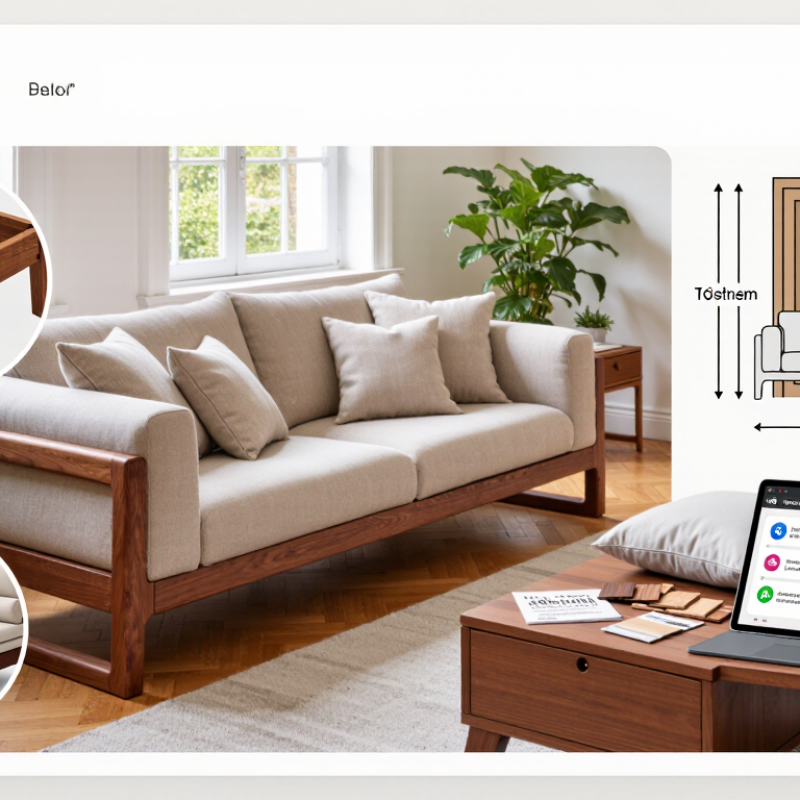
10 Wooden Sofa Buying Tips for Global Buyers

Identify Your Space, Seating Needs, and Budget

A wooden sofa should fit the room and the way people actually use it. Measure wall length, doorway width, and the route from the entrance before comparing models. The U.S. Census Bureau’s 2023 American Community Survey puts average U.S. household size at about 2.5 people; treat that as a local reference, not a global rule. A household with frequent guests may need a wider seat or an extra chair. A narrow apartment may need a compact frame with visible space beneath it.

Tips: Sketch the room and mark walking paths. Leave enough clearance for doors and drawers. Check the sofa’s full dimensions, including arms and legs, and confirm it can pass through the tightest doorway. A room sketch can still mislead; measure the actual opening.

Set a budget that includes more than the sofa price. Allow for shipping, import charges, assembly, and possible delivery restrictions in your market. The U.S. Census Bureau reports that completed new single-family homes averaged 2,411 square feet in 2023, but that figure says little about an individual living room. Consider your room first. Then compare wood type, joinery, cushion construction, and finish against your budget. A lower price can be tempting. But if the sofa crowds the room or cannot reach the doorway, the deal may not feel like one.

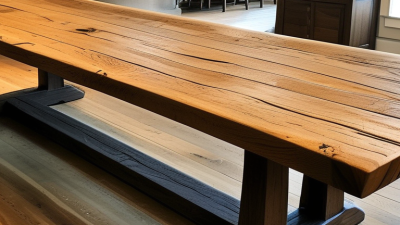
Compare Wood Species, Finishes, and Sustainability

A wooden sofa’s frame affects its weight, durability, and feel. Oak and beech are dense choices for busy living rooms, while teak has natural oils that can help resist moisture. Softer woods may cost less, but they can show dents sooner. Check joints, too: close-fitting mortise-and-tenon joints often feel steadier than staples alone. Ask whether the frame uses solid wood, plywood, or a mix.

Tips: Compare finishes in daylight. A clear coat shows more grain, while a dark stain can hide subtle color differences. Run a cloth over the surface; rough patches may signal uneven sanding. Ask what finish was used and how to clean it. Small detail, big difference.

For sustainability, request the wood species and sourcing information, not just a broad “eco-friendly” claim. A credible seller should explain whether materials are recycled, reclaimed, or traceable to managed forests. Look for documentation, but remember that labels can cover different standards. I would not choose on a certificate alone. Also consider repairability: replaceable cushions and a refinishing-friendly frame can extend a sofa’s useful life. One trade-off remains. Some low-odor finishes still need ventilation while curing, so confirm care instructions before placing the sofa in a small room.

10 Wooden Sofa Buying Tips for Global Buyers - Compare Wood Species, Finishes, and Sustainability

# Buying Tip What to Compare Practical Facts Questions for the Supplier
1 Match the wood species to how the sofa will be used. Oak, beech, walnut, pine, or teak Oak and beech are commonly used for sturdy indoor frames. Walnut is valued for its darker color and grain. Pine is lighter and generally softer, so it may show dents more readily. Teak contains natural oils, but sourcing and cost should be checked carefully. Which species is used for each frame part? Is the wood solid throughout, or are some components made from other materials?
2 Inspect the frame construction, not just the species. Solid wood, engineered wood, joinery, and reinforcement Frame strength depends on design, joinery, material quality, and workmanship. Screwed, bolted, or well-made glued joints can be appropriate when correctly designed; the species name alone does not establish durability. Can the supplier provide frame details, joint photographs, or test information for the finished sofa?
3 Compare species by hardness and expected wear. Resistance to dents and surface damage Wood hardness varies by species and can also vary within a species. Softer woods such as pine are typically more prone to dents than many hardwoods. Hardness does not by itself guarantee a stronger sofa frame. Is the exposed wood structural or decorative? What care or touch-up products are recommended for its surface?
4 Choose a finish suited to the look and maintenance routine. Water-based coating, oil, wax, or lacquer Film-forming coatings such as lacquer can create a more continuous surface layer. Oils and waxes often leave a more natural-looking surface and may need periodic maintenance. Product performance varies by formulation and application. What exact finish is used, how should it be cleaned, and can the surface be repaired or refinished?
5 Check finish safety and emissions documentation. VOC information, chemical compliance, and destination-market rules “Low-VOC” claims depend on the product and applicable test method; they are not a guarantee of zero emissions. Requirements differ between markets, so request documentation relevant to the importing country. Can you provide the finish product’s technical or safety documents and any applicable emissions test results?
6 Ask how responsibly sourced timber is verified. Forest certification and chain of custody FSC and PEFC programs provide certification systems for forest management and/or supply-chain tracking. A claim is most useful when the certificate is valid and its scope covers the relevant product or material. Is the timber certified? Can you provide the certificate details and confirm that the claim applies to this order?
7 Review the full material mix for sustainability. Solid wood, plywood, particleboard, recycled, or reclaimed content Wood-based panels can use wood resources efficiently, but their composition and adhesives differ. Reclaimed or recycled wood can reduce demand for newly harvested material, but its origin, condition, and previous treatments should be verified. Which components use panels or reclaimed wood? Are material contents and adhesive or emissions information available?
8 Consider the destination climate and indoor conditions. Moisture preparation, acclimation, and seasonal humidity Wood naturally responds to changes in moisture and humidity by expanding or shrinking. Proper drying, construction, and acclimation help manage movement, but do not eliminate it. How is the wood dried and prepared for export? Are there storage or acclimation instructions for the destination?
9 Prioritize repairability and replaceable components. Refinishing, replaceable parts, and access to repairs A finish that can be maintained or refinished, plus replaceable legs or frame components, may extend useful life. Repair options depend on the construction and the availability of matching materials. Are spare parts available? Can the finish be renewed, and are repair instructions provided?
10 Compare landed cost and long-term value. Price, packaging, shipping, maintenance, and expected service life For global orders, freight, duties, packaging, and the cost of future repairs can affect total ownership cost. A lower purchase price does not necessarily mean a lower long-term cost. What are the packaging dimensions and shipping terms? What warranty, care guidance, and after-sales support are included?

Buyer note: Wood performance and sustainability depend on the specific material, manufacturing process, documentation, and conditions of use. Request product-specific evidence rather than relying on general claims.

Inspect Frame Construction, Joinery, and Cushion Quality

When assessing a wooden sofa, ask for clear photos of the frame, including its underside and inside corners. Look closely. A sturdy appearance does not prove strong construction. Check whether the rails are joined with fitted dowels, mortise-and-tenon joints, or reinforced corner blocks. Screws alone may loosen as the sofa moves during use or shipping. Ask how joints are secured and whether the timber is properly dried. Wood species matters, but sound construction and consistent moisture control matter too. If you cannot inspect the sofa in person, request close-ups and written specifications. Photos can hide details, so this check is useful but imperfect.

Cushions deserve the same attention. Ask for the filling type, foam density, and cushion-layer structure, rather than accepting “firm” or “premium” as complete descriptions. Density can help indicate durability, but it does not guarantee comfort. A removable cushion lets you inspect seams and makes routine care easier. Press the cushion and watch how quickly it regains its shape. Then consider your own preference: a soft showroom seat may feel different after several hours. Request dimensions and cushion specifications in writing, especially when comparing suppliers across regions. Small details get missed. I have found that even careful questions may not reveal how a sofa will feel in your home.

Check Dimensions, Comfort, Care, and Warranty Terms

Measure the room, doorway, lift, and stair turns before ordering; a sofa can fit the floor plan and still fail at the entrance. Record the full width, depth, and height, then compare them with the maker’s delivery dimensions. Sit for several minutes, checking seat depth, back support, and whether your feet rest naturally on the floor. A showroom sit is imperfect evidence. Cushions can feel different after sustained use, so ask about filling, firmness, and replacement options.

Wood responds to indoor moisture. The USDA Forest Products Laboratory’s 2021 Wood Handbook reports an equilibrium moisture content of about 7.7% for wood at 70°F and 40% relative humidity. Keep a wooden frame away from radiators and direct sun, and use a soft cloth for routine dusting; follow the supplier’s care instructions for finishes and upholstery. Small detail. Big difference. Check whether the warranty covers the frame, joints, springs, and cushions separately, and whether terms apply in your destination country. Ask about exclusions, claim shipping, and proof-of-purchase requirements. EN 12520 provides a reference for domestic seating safety, strength, and durability testing, but it does not replace a clear written warranty. I would still request the exact terms before paying.

Verify Export Standards, Shipping Costs, and Supplier Credentials

A wooden sofa can look finished in a showroom and still create problems at the port. Before ordering, confirm the destination market’s product, labeling, and wood-packaging requirements with your importer or customs broker. Ask for the applicable test reports, material specifications, and export documents—not just a general claim of compliance. Check that any certificate is current, verifiable with its issuer, and relevant to the supplier’s actual factory and products.

Shipping deserves equal scrutiny. UNCTAD’s Review of Maritime Transport 2024 reports that seaborne trade grew 2.4% in 2023, while geopolitical disruption and longer routes added pressure to transport networks. That does not predict your sofa’s freight bill. Get a written, itemized quotation covering pickup, port handling, insurance, duties where applicable, and final delivery. Confirm carton dimensions and shipment volume; a bulky sofa may cost more to move than its weight suggests. Small details matter.

Tip: Verify supplier credentials through independent records. Request a factory audit, recent inspection photos, and references from comparable export orders. For wood sourcing, check whether any chain-of-custody claim can be independently validated. Compare the production address across invoices, certificates, and shipping documents. If one detail differs, pause and ask why. I would not rely on a polished sample alone; upholstery seams and frame joints can vary between batches. Keep the approved sample and written specifications as your inspection reference.

Wooden Sofa Shipping Check: Typical Container Internal Length

Approximate internal floor length of standard dry containers, shown in centimeters.

Typical published dimensions are approximately 590 cm for a 20-foot container and 1,203 cm for a 40-foot container. Before booking, confirm the actual container dimensions and door opening with your carrier, then compare them with the sofa’s packaged dimensions.